Thymosin Beta-4 peptide therapy is emerging as one of the most promising regenerative peptides in modern functional and integrative medicine. Known for its powerful role in tissue regeneration, muscle recovery, and inflammation control, Thymosin Beta-4 supports the body’s natural healing intelligence at a cellular level. Unlike symptomatic pain management approaches, Thymosin Beta-4 peptide therapy focuses on restoring tissue integrity, improving blood supply, and accelerating recovery from injury.
At Arka Anugraha Hospital, Thymosin Beta-4 for tissue regeneration is integrated into advanced musculoskeletal and functional medicine protocols for patients dealing with chronic tendon injuries, muscle tears, post-surgical recovery, and degenerative joint conditions. The therapy is always administered under medical supervision, with individualized protocols designed to support safe, effective healing.
Patients seeking Tβ4 peptide therapy in Bangalore often do so after conventional treatments fail to deliver lasting results. By targeting inflammation, cellular migration, and angiogenesis, Thymosin Beta-4 peptide therapy offers a regenerative pathway for those looking to restore movement, reduce pain, and return to an active life.
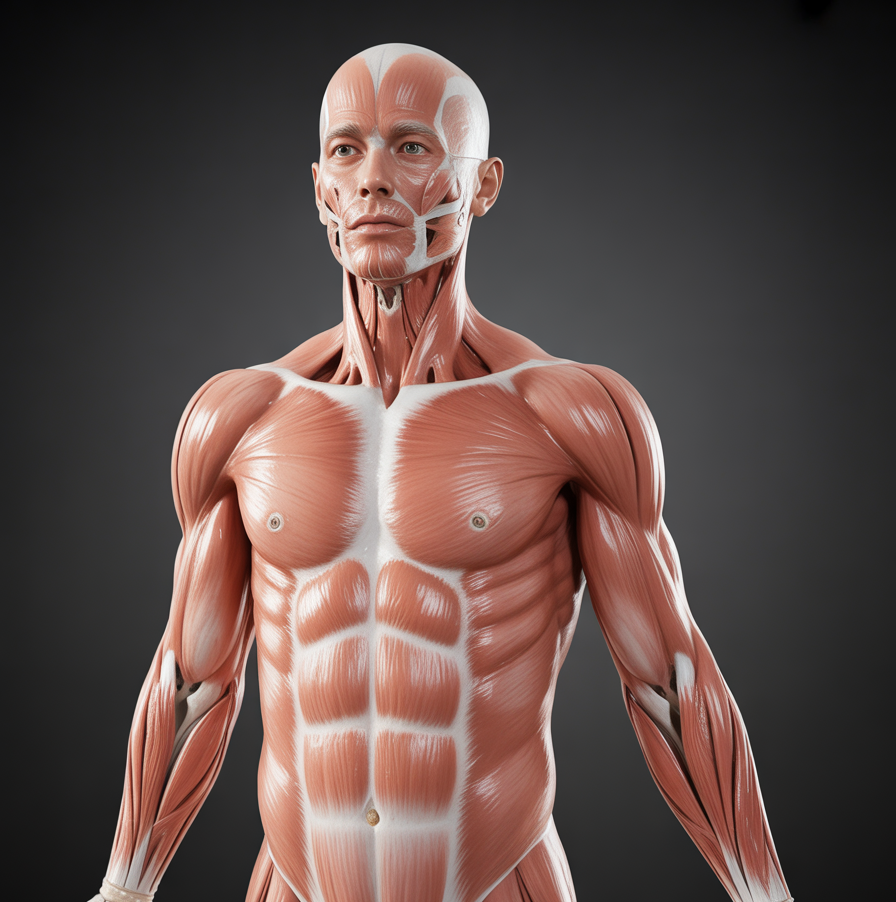
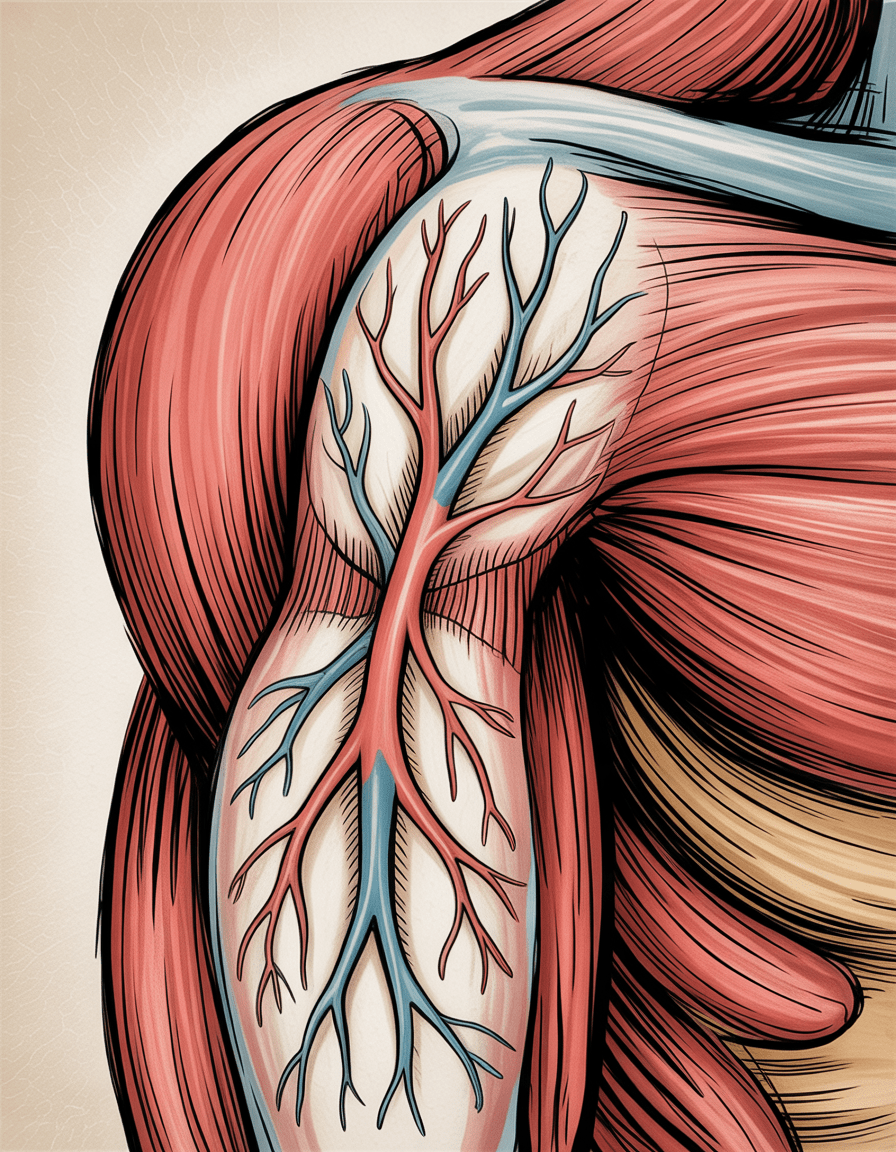
Thymosin Beta-4 is a naturally occurring peptide found in high concentrations in platelets, immune cells, and injured tissues. It plays a critical role in wound healing, tissue repair, and cellular communication. As a 43-amino-acid peptide, Thymosin Beta-4 regulates actin dynamics, which are essential for cell movement, structural stability, and tissue regeneration.
Unlike painkillers or anti-inflammatory drugs that suppress symptoms, Thymosin Beta-4 peptide therapy works by activating intrinsic repair mechanisms. It supports the migration of repair cells to injured tissues, enhances collagen organization, and promotes the formation of new blood vessels. These actions make Thymosin Beta-4 for tissue regeneration especially valuable in musculoskeletal injuries where blood supply and healing capacity are compromised.
In regenerative medicine, Thymosin Beta-4 is classified among advanced regenerative peptides due to its broad effects on tissue repair, inflammation modulation, and cellular survival. At Arka Anugraha Hospital, Thymosin Beta-4 therapy is used as part of comprehensive recovery programs rather than as a standalone solution, ensuring optimal outcomes.
Thymosin Beta-4 works through multiple interconnected biological pathways that collectively accelerate healing and reduce inflammation. One of its most important actions is angiogenesis, the formation of new blood vessels. Injured tendons, ligaments, and muscles often suffer from poor blood supply, which delays recovery. Thymosin Beta-4 peptide therapy enhances vascular growth, ensuring oxygen and nutrients reach damaged tissues.
Another key mechanism is cellular migration. Thymosin Beta-4 regulates actin polymerization, allowing repair cells such as fibroblasts and endothelial cells to move efficiently to injury sites. This process is essential for wound closure, tendon healing, and ligament repair.
Thymosin Beta-4 also plays a role in controlling inflammation. By modulating inflammatory signaling pathways, it reduces excessive inflammatory responses while still allowing necessary healing signals to function. This balance is particularly important in chronic injuries where persistent inflammation prevents proper tissue repair.
For tendon recovery peptides and ligament healing, Thymosin Beta-4 improves extracellular matrix organization and supports collagen remodeling. This results in stronger, more resilient tissue rather than fragile scar formation. These mechanisms explain why Thymosin Beta-4 peptide therapy is widely used in regenerative and sports medicine settings
Musculoskeletal-Enhancement-PTC
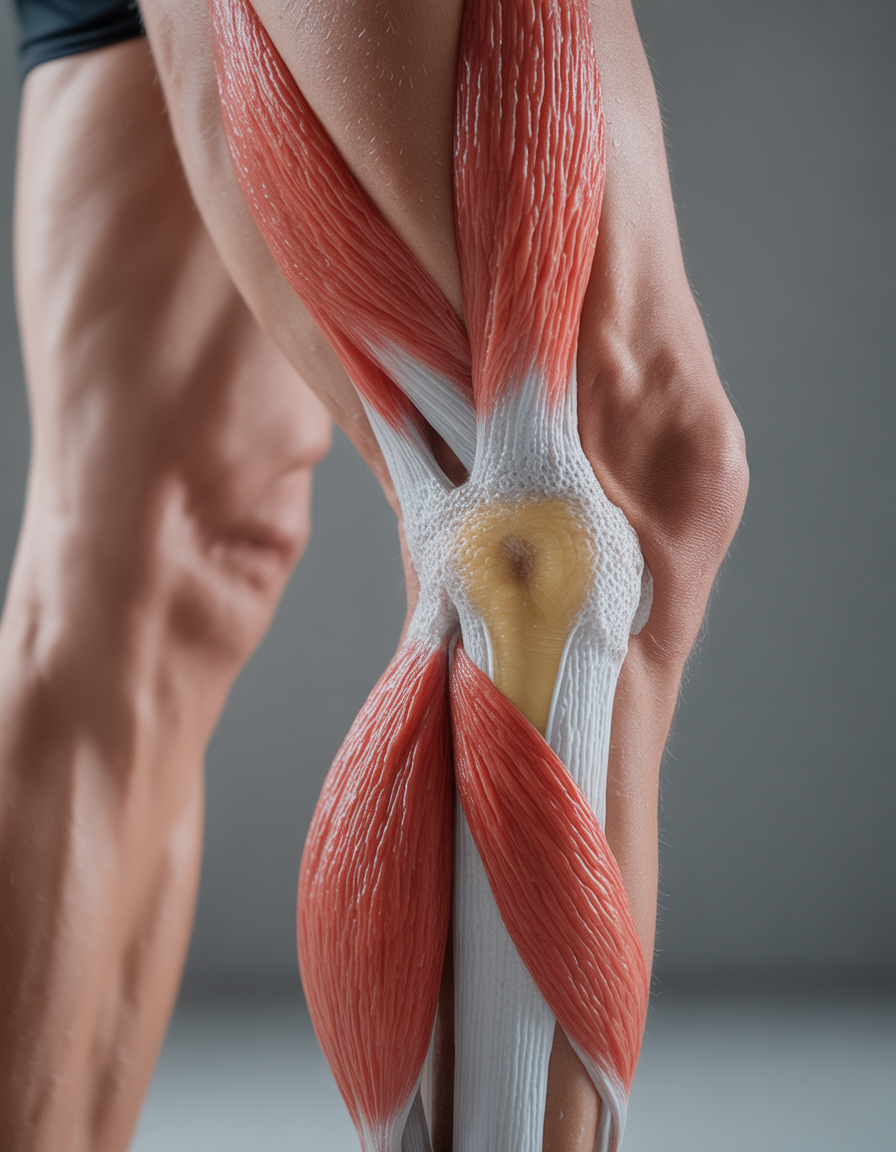
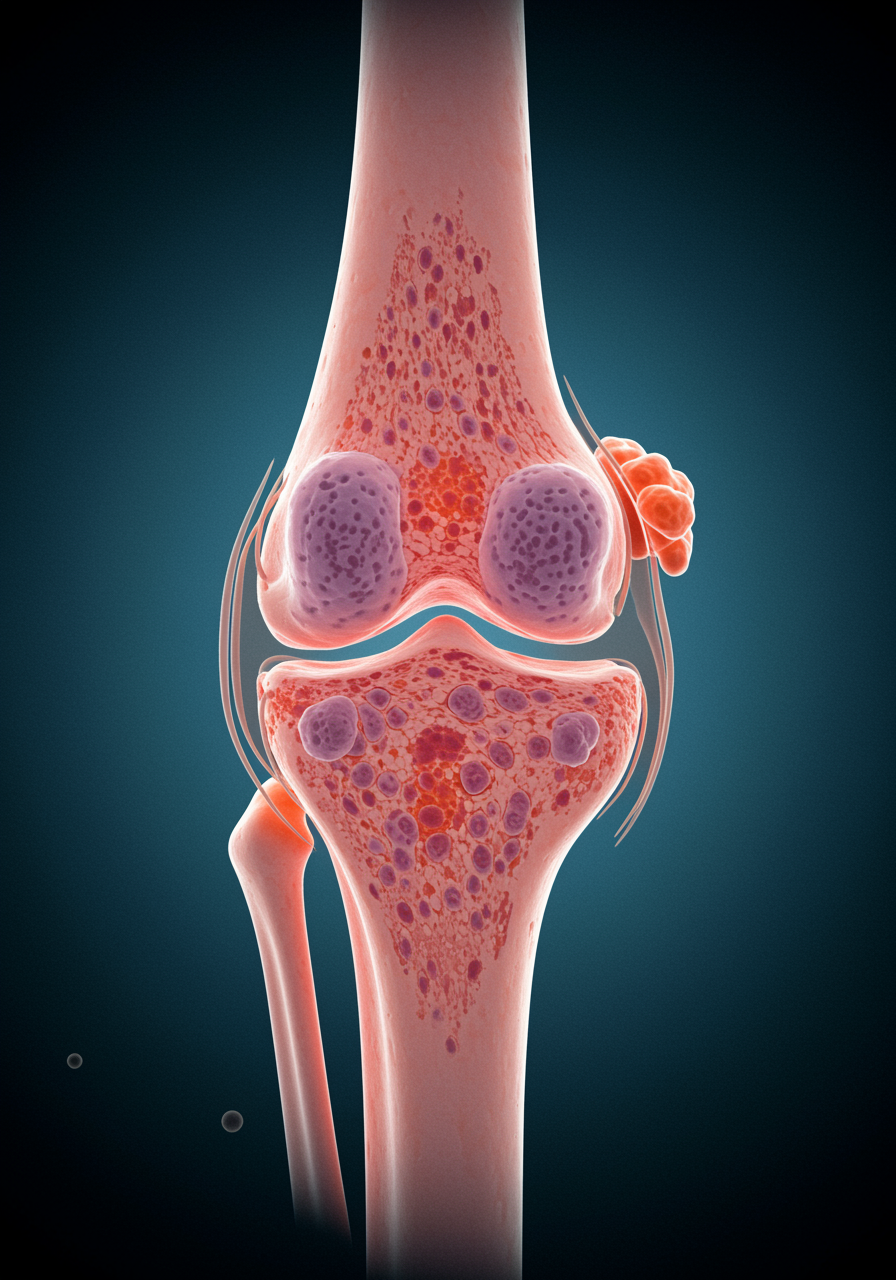
The clinical benefits of Thymosin Beta-4 peptide therapy extend across a wide range of musculoskeletal and inflammatory conditions. One of its most recognized uses is in tendon healing, particularly for conditions such as tennis elbow, Achilles tendinopathy, rotator cuff injuries, and plantar fasciitis. By improving blood flow and cellular repair, Thymosin Beta-4 helps tendons heal more effectively and reduces recurrence rates.
For muscle recovery, Thymosin Beta-4 peptide therapy supports faster healing from muscle strains, tears, and overuse injuries. Athletes and physically active individuals often benefit from reduced downtime and improved tissue resilience when Tβ4 is used as part of a structured recovery program.
Another significant benefit is chronic pain reduction. Many chronic pain conditions stem from unresolved tissue damage and ongoing inflammation. Thymosin Beta-4 inflammation control allows tissues to heal properly, addressing pain at its source rather than masking it.
Patients recovering from surgery may also benefit from Thymosin Beta-4 for tissue regeneration, as it supports wound healing, reduces fibrosis, and improves functional recovery. These benefits make Thymosin Beta-4 therapy a valuable option within peptide-based treatments for long-term musculoskeletal health.
At Arka Anugraha Hospital, Thymosin Beta-4 peptide therapy is incorporated into structured, doctor-supervised regenerative medicine protocols. Each patient undergoes a detailed clinical evaluation to identify the root cause of injury, inflammation, or impaired healing. Based on this assessment, Thymosin Beta-4 may be combined with other regenerative peptides, physiotherapy, nutritional optimization, and lifestyle interventions.
The hospital’s approach emphasizes personalized medicine. Dosage, duration, and delivery methods are tailored to the individual’s condition, age, activity level, and healing capacity. For patients seeking Tβ4 peptide therapy in Bangalore, this integrated model ensures safety, effectiveness, and long-term results.
Thymosin Beta-4 is commonly used in musculoskeletal recovery programs, post-surgical rehabilitation, and chronic injury management at Arka Anugraha Hospital. Importantly, all peptide therapies are prescribed and monitored by qualified medical professionals, aligning with ethical and clinical best practices.

When administered under medical supervision, Thymosin Beta-4 peptide therapy is generally well tolerated. Because it is a naturally occurring peptide in the human body, the risk of adverse reactions is low when sourced and dosed appropriately.
However, Thymosin Beta-4 is not suitable for everyone. Patients with active malignancies, uncontrolled systemic illnesses, or specific immune conditions may require alternative approaches. At Arka Anugraha Hospital, thorough screening ensures that Thymosin Beta-4 therapy is used only when clinically appropriate.
Side effects, when they occur, are typically mild and may include temporary injection-site discomfort. Medical supervision ensures proper monitoring, dosage adjustment, and integration with other therapies to maximize safety and effectiveness.
Thymosin Beta-4 is used for tissue regeneration, tendon and ligament healing, muscle recovery, inflammation reduction, and post-injury or post-surgical rehabilitation.
It promotes angiogenesis, enhances cellular migration, regulates inflammation, and supports collagen remodeling, leading to stronger and more functional tissue repair.
Some patients notice improvement within a few weeks, while chronic conditions may require longer treatment periods depending on injury severity and overall health.
Individuals with chronic tendon injuries, muscle strains, post-surgical healing needs, or persistent musculoskeletal pain may benefit from Thymosin Beta-4 peptide therapy.
It is typically administered via subcutaneous injection under medical supervision as part of a structured peptide-based treatment plan.