
The Gut-Skin Axis: Why Chronic Bloating, SIBO, and IBS Show Up on Your Face

- Published on: 09/March/2026
- Posted By: Arka Health

For many patients, skin concerns like acne, rosacea, and unexplained inflammation are treated as purely dermatological issues. Creams, antibiotics, and skincare routines are often prescribed without questioning what may be happening internally.
However, a growing body of research highlights a deeper connection. The skin often reflects internal imbalances, especially those originating in the gut. This relationship, known as the gut skin axis acne rosacea connection, explains why chronic bloating, IBS, and SIBO frequently manifest as visible skin conditions.
If you have been dealing with persistent digestive symptoms alongside skin flare-ups, your body may be signaling a systemic imbalance rather than an isolated issue.
Understanding the Gut-Skin Axis
The gut and skin are not separate systems. They are biologically and functionally connected through immune pathways, microbial signaling, and neuroendocrine communication.
Both act as barrier organs. The gut controls what enters the bloodstream, while the skin protects against the external environment. When one barrier is compromised, the other often follows.
The gut contains nearly 70 percent of the body’s immune cells, making it a central regulator of inflammation. When gut health is disrupted, immune responses become dysregulated, and this imbalance can manifest on the skin.
Why Gut Health Directly Affects Your Skin
The connection between gut health and skin lies in three major systems:
1. Immune System Regulation
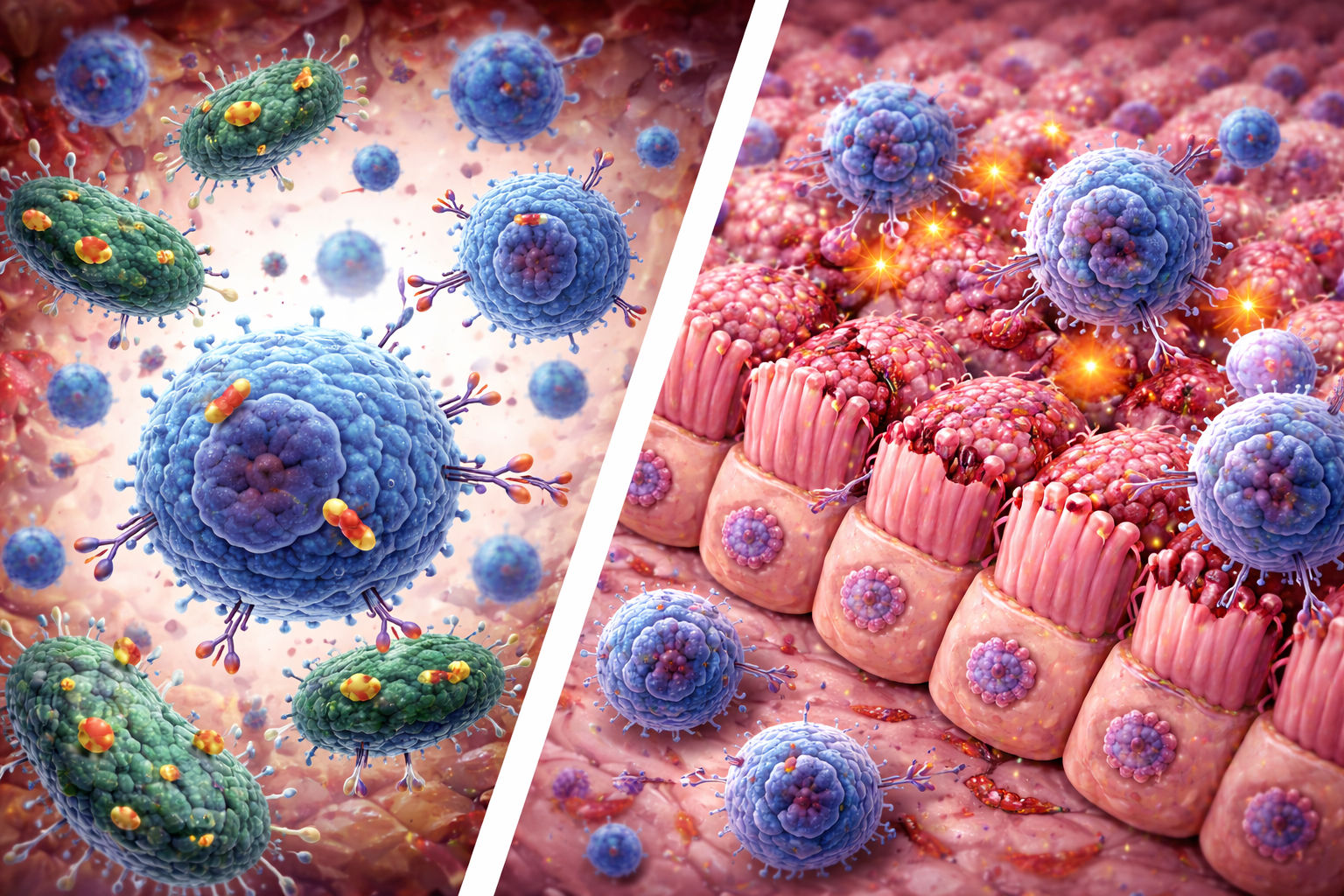
The gut trains immune cells to differentiate between harmful and harmless stimuli. In a healthy state, regulatory T cells suppress unnecessary inflammation.
In dysbiosis:
- Pro-inflammatory pathways dominate
- Cytokines such as IL-6 and TNF-alpha increase
- Skin inflammation becomes persistent
This is why conditions like acne, rosacea, and eczema often worsen alongside digestive issues.
2. Microbial Metabolites
Gut bacteria produce compounds that circulate throughout the body.
Key metabolites include:
- Short-chain fatty acids
These reduce inflammation and strengthen both gut and skin barriers - Lipopolysaccharides (LPS)
These endotoxins trigger systemic inflammation when they enter circulation - p-Cresol and phenols
These impair skin hydration and keratinocyte function
When the microbiome is balanced, beneficial metabolites dominate. When disrupted, inflammatory compounds increase and directly affect skin quality .
3. Neuroendocrine Signaling
The gut-brain-skin axis plays a significant role.
Stress increases cortisol, which:
- Weakens the gut lining
- Disrupts microbiome balance
- Increases skin oil production
This explains why stress often triggers both bloating and acne simultaneously.
Leaky Gut: The Starting Point of Skin Inflammation
One of the most critical mechanisms behind the gut skin axis acne rosacea connection is intestinal permeability.
When tight junctions in the gut lining weaken:
- Toxins enter the bloodstream
- Immune activation increases
- Systemic inflammation rises
This inflammation often targets the skin due to its sensitivity to circulating immune signals.
The progression typically follows:
- Trigger such as diet, stress, or infection
- Increased gut permeability
- Immune activation
- Cytokine release
- Skin flare-ups
This pathway explains why treating only the skin rarely provides long-term results.
SIBO and Rosacea: A Strong Clinical Link

Among all gut-skin connections, the SIBO rosacea link is one of the most well established.
SIBO occurs when bacteria overgrow in the small intestine, leading to:
- Chronic bloating
- Gas and abdominal discomfort
- Nutrient malabsorption
Research shows that:
- 35 to 51 percent of rosacea patients have SIBO
- This is significantly higher than the general population
- Treating SIBO leads to improvement in up to 78 to 85 percent of rosacea cases
This highlights a key insight. The root cause of rosacea is often not on the skin but in the gut.
How SIBO Triggers Skin Symptoms
SIBO affects the skin through multiple mechanisms:
Increased Inflammation
Bacterial overgrowth produces toxins that trigger immune responses.
Nitric Oxide Dysregulation
SIBO may increase nitric oxide levels, leading to facial flushing and redness.
Cytokine Activation
Inflammatory molecules circulate to the skin, affecting blood vessels and sebaceous glands.
This is why localized gut treatment often leads to visible skin improvement.
Acne as a Gut and Metabolic Disorder
Acne is often viewed as a hormonal condition, but it is also strongly influenced by gut health.
The Insulin–IGF-1 Pathway
Diets high in sugar and processed foods increase insulin levels. This activates the mTOR pathway, which:
- Increases oil production
- Accelerates skin cell turnover
- Promotes bacterial overgrowth in pores
Gut dysbiosis amplifies this process by increasing systemic inflammation.
Microbiome Imbalance and Acne Severity
Certain microbial patterns are linked to acne:
- Increased harmful bacteria such as Bacteroides
- Reduced beneficial bacteria such as Lactobacillus
This imbalance promotes inflammatory acne that does not respond well to topical treatments alone .
Nutrient Deficiencies and Skin Health
Chronic digestive issues impair nutrient absorption, leading to deficiencies that affect the skin.
Common deficiencies include:
- Zinc for immune balance
- Vitamin D for anti-inflammatory response
- Omega-3 fatty acids for reducing inflammation
- B vitamins for cellular repair
Without correcting these deficiencies, skin healing remains incomplete.
IBS, Bloating, and Skin Flare Patterns
Patients with IBS often report:
- Acne worsening during bloating episodes
- Skin sensitivity after certain foods
- Cyclical flare-ups linked to digestion
This pattern reflects the systemic nature of inflammation.
The IBS acne connection is not coincidental. It is a direct result of immune and microbial interactions within the gut.
The Indian Urban Lifestyle Impact
In India, urbanization has significantly altered gut health patterns.
Key contributing factors include:
- High consumption of processed foods
- Reduced intake of traditional fermented foods
- Increased stress levels
- Exposure to pollution
These changes reduce microbial diversity and increase inflammation, contributing to both digestive and skin disorders .
Traditional Indian Diet as Gut Medicine
Many traditional foods naturally support the gut-skin axis.
Examples include:
- Dahi and chaas providing probiotics
- Idli and dosa improving nutrient absorption
- Kanji and fermented vegetables enhancing microbial diversity
- Millet-based foods supporting metabolic stability
These foods promote SCFA production, which helps reduce inflammation and improve skin health.
Why Conventional Treatment Often Fails
Most treatments focus on symptoms rather than root causes.
Dermatology Approach
- Topical creams provide temporary relief
- Antibiotics disrupt the microbiome
Gastroenterology Approach
- IBS is treated symptomatically
- Underlying immune dysfunction is not addressed
This disconnect leads to recurring symptoms.
Integrative Gut-Skin Treatment at ARKA Anugraha Hospital
At ARKA Anugraha Hospital, treatment focuses on identifying the root cause of skin conditions through gut evaluation.
The approach includes:
Advanced Diagnostics
- SIBO breath testing
- Comprehensive stool analysis
- Intestinal permeability markers
- Nutrient profiling
Stepwise Treatment Approach
Remove
Eliminate triggers such as processed foods and gut pathogens
Replace
Support digestion and absorption
Reinoculate
Restore beneficial bacteria
Repair
Heal the gut lining and reduce inflammation
Lifestyle Integration
- Stress management
- Sleep optimization
- Mindful eating
This approach addresses the gut, immune system, and skin simultaneously.
Clinical Takeaway

The gut skin axis acne rosacea connection represents a shift in how chronic skin conditions should be understood.
If you are experiencing:
- Persistent acne or rosacea
- Chronic bloating or IBS
- Skin flare-ups linked to food or stress
then the underlying issue may not be your skin alone.
It may be your gut.
FREQUENTLY ASKED QUESTIONS
- What is the gut-skin axis?
It is the connection between gut health and skin inflammation through immune and microbial pathways. - Can gut problems cause acne?
Yes, gut inflammation and dysbiosis can trigger acne through immune and metabolic pathways. - What is the SIBO rosacea link?
SIBO is highly prevalent in rosacea patients, and treating it often improves skin symptoms. - How does leaky gut affect the skin?
It allows toxins to enter the bloodstream, triggering systemic inflammation and skin flare-ups. - Can IBS cause acne?
Yes, IBS-related inflammation can contribute to acne and other skin conditions. - Why does bloating worsen my skin?
Bloating reflects gut imbalance, which increases inflammation affecting the skin. - How long does gut healing take for skin improvement?
Typically 4 to 12 weeks for visible improvement, depending on severity. - Do probiotics help acne?
Yes, when chosen correctly, they can restore microbial balance and reduce inflammation. - Can diet alone fix skin issues?
Diet helps but must be combined with gut repair and immune regulation. - Why do antibiotics worsen acne long-term?
They disrupt the gut microbiome, leading to recurring inflammation. - What foods improve the gut-skin axis?
Fermented foods, fiber-rich vegetables, and omega-3 sources. - Can stress affect both gut and skin?
Yes, stress disrupts gut bacteria and increases skin inflammation. - Is rosacea always linked to SIBO?
Not always, but there is a strong association. - Can gut health improve eczema?
Yes, reducing inflammation can help manage eczema symptoms. - What tests diagnose gut-skin issues?
SIBO breath tests, stool analysis, and inflammation markers.
Explore Arka Recipes
Discover recipes that blend taste with health, crafted by our experts for your well-being.
Arka Diagnostics
Discover groundbreaking diagnostic services exclusive to India, now available at Arka Health, Bangalore