
Prolozone Therapy for Hip and Knee Pain: An Alternative to Joint Replacement

- Published on: 27/Feb/2026
- Posted By: Arka Health
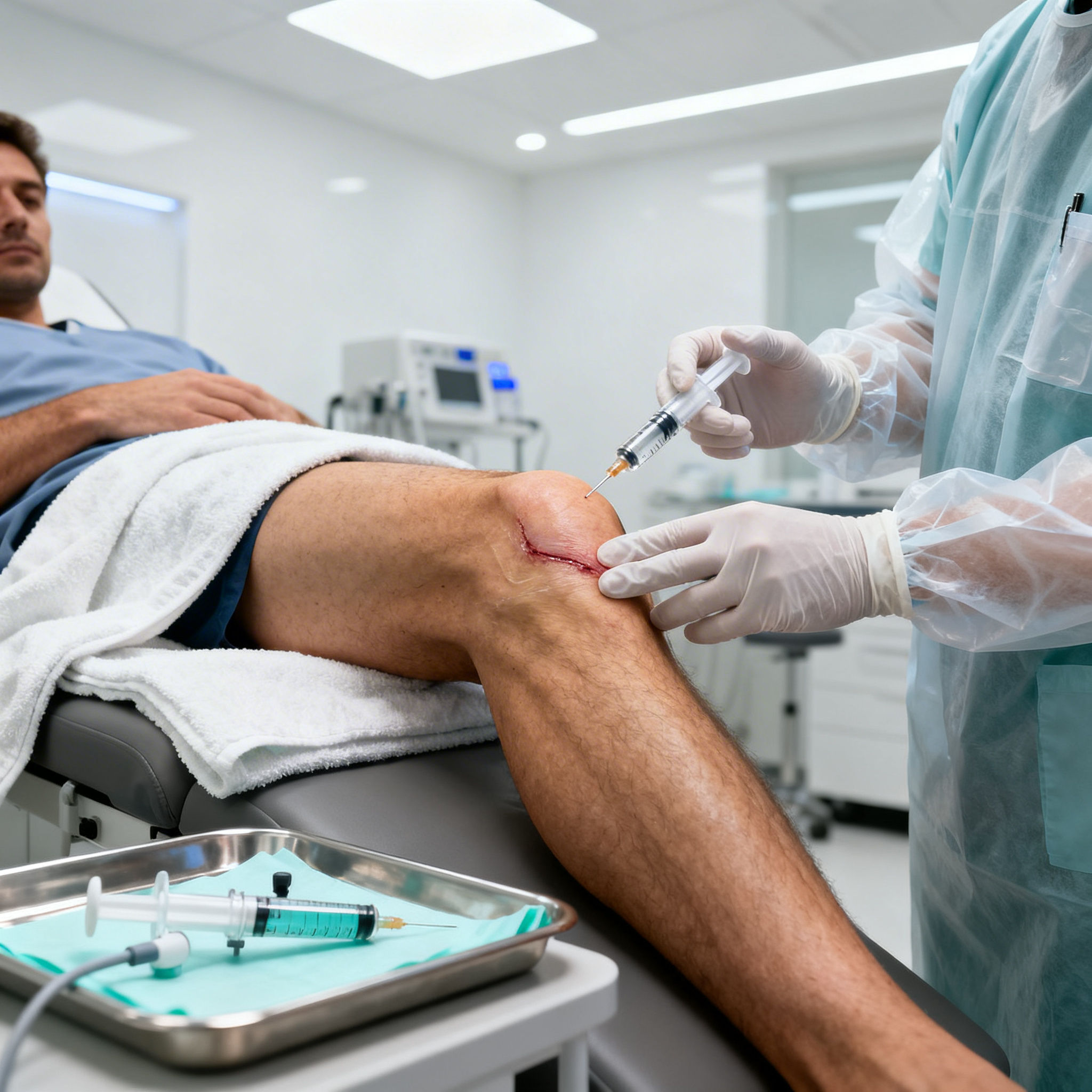
The Shift Toward Joint Preservation
Chronic hip and knee pain is one of the most common reasons adults seek orthopedic consultation. For decades, the treatment ladder followed a predictable course: oral analgesics, physiotherapy, corticosteroid injections, and eventually total joint replacement. While surgery can be life changing in advanced cases, many patients fall into a gray zone where pain is significant but structural destruction is not complete.
This is where regenerative orthopedics has reshaped the conversation. Instead of asking when to replace the joint, the modern question is whether we can biologically restore it. Prolozone therapy for hip and knee pain represents a non surgical joint replacement alternative focused on improving oxygenation, stabilizing connective tissue, and reactivating tissue repair pathways.
Rather than viewing osteoarthritis as simple wear and tear, current understanding recognizes it as a complex interaction between mechanical instability, low grade inflammation, mitochondrial dysfunction, and metabolic stress. The joint is a living organ system dependent on oxygen, ATP production, collagen integrity, and synovial balance. When these fail, degeneration accelerates.
Understanding the Biology of Hip and Knee Degeneration
Structural Instability as the Root Problem
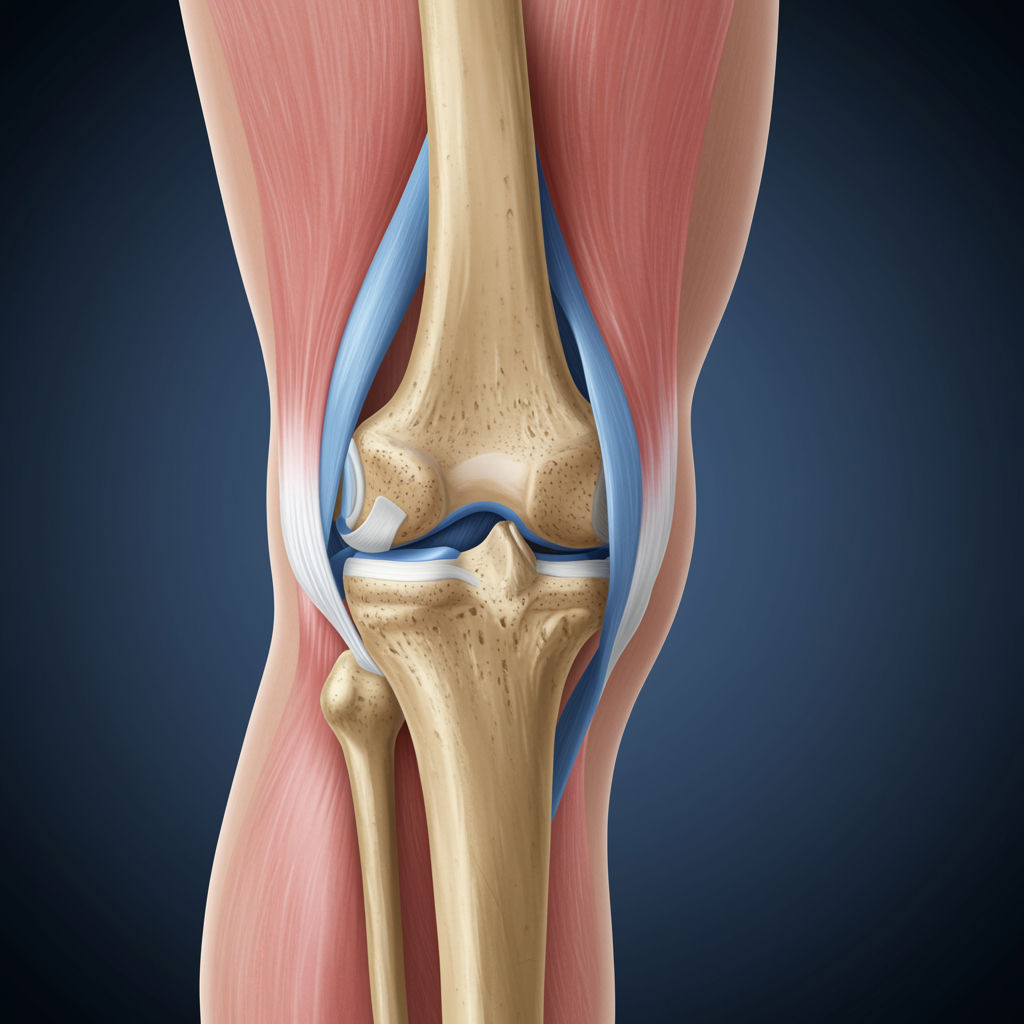
Both the hip and knee rely heavily on ligament tension for stability.
In the knee:
- ACL and PCL control anterior and posterior translation
- MCL and LCL control valgus and varus stress
- Menisci distribute load
In the hip:
- The labrum deepens the socket
- Capsular ligaments stabilize rotational forces
- Deep external rotators support dynamic control
When ligaments stretch from microtrauma, obesity related overload, sports injury, or age related collagen decline, the joint loses its mechanical equilibrium. This leads to:
- Abnormal shear forces
- Cartilage surface attrition
- Synovial irritation
- Progressive chondral thinning
Cartilage itself is avascular. It depends on synovial fluid movement and subchondral bone perfusion. Once hypoxia sets in, chondrocytes shift toward catabolic activity and begin releasing degradative enzymes.
The Hypoxia Problem in Chronic Joint Pain
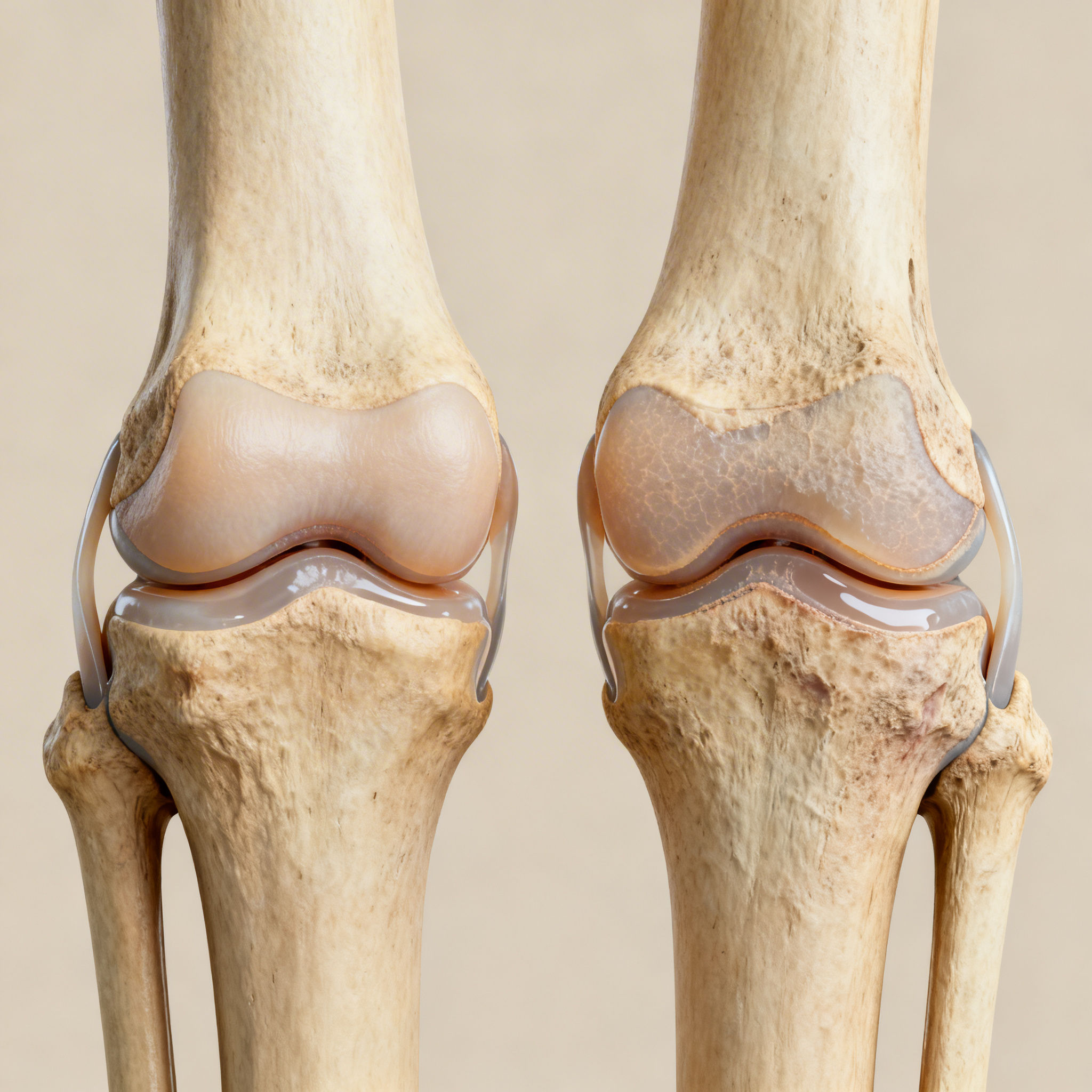
One of the least discussed but most critical aspects of joint degeneration is tissue hypoxia.
Poor oxygen delivery leads to:
- Reduced mitochondrial ATP production
- Impaired collagen synthesis
- Increased oxidative stress
- Accumulation of inflammatory cytokines
When cells cannot generate sufficient ATP, they cannot repair extracellular matrix. Over time, the joint environment becomes metabolically hostile.
Prolozone therapy for hip and knee pain directly targets this oxygen deficit.
Mechanism of Prolozone Therapy
Prolozone is not simply ozone injection. It is a structured regenerative protocol.
It typically involves:
- Procaine for neural modulation
- Vitamins and minerals for cellular priming
- Medical grade ozone gas for oxygen signaling
1. Oxygen Utilization and Mitochondrial Reset
Medical ozone interacts with biological fluids to form reactive oxygen intermediates. At therapeutic doses, these act as signaling molecules rather than toxins.
Effects include:
- Increased 2,3 DPG levels in red blood cells
- Improved oxygen release to tissues
- Activation of mitochondrial respiratory chain
- Enhanced NAD to NADH conversion
This improves ATP availability, allowing fibroblasts and chondrocytes to resume repair activity.
2. Fibroblast Activation and Collagen Remodeling
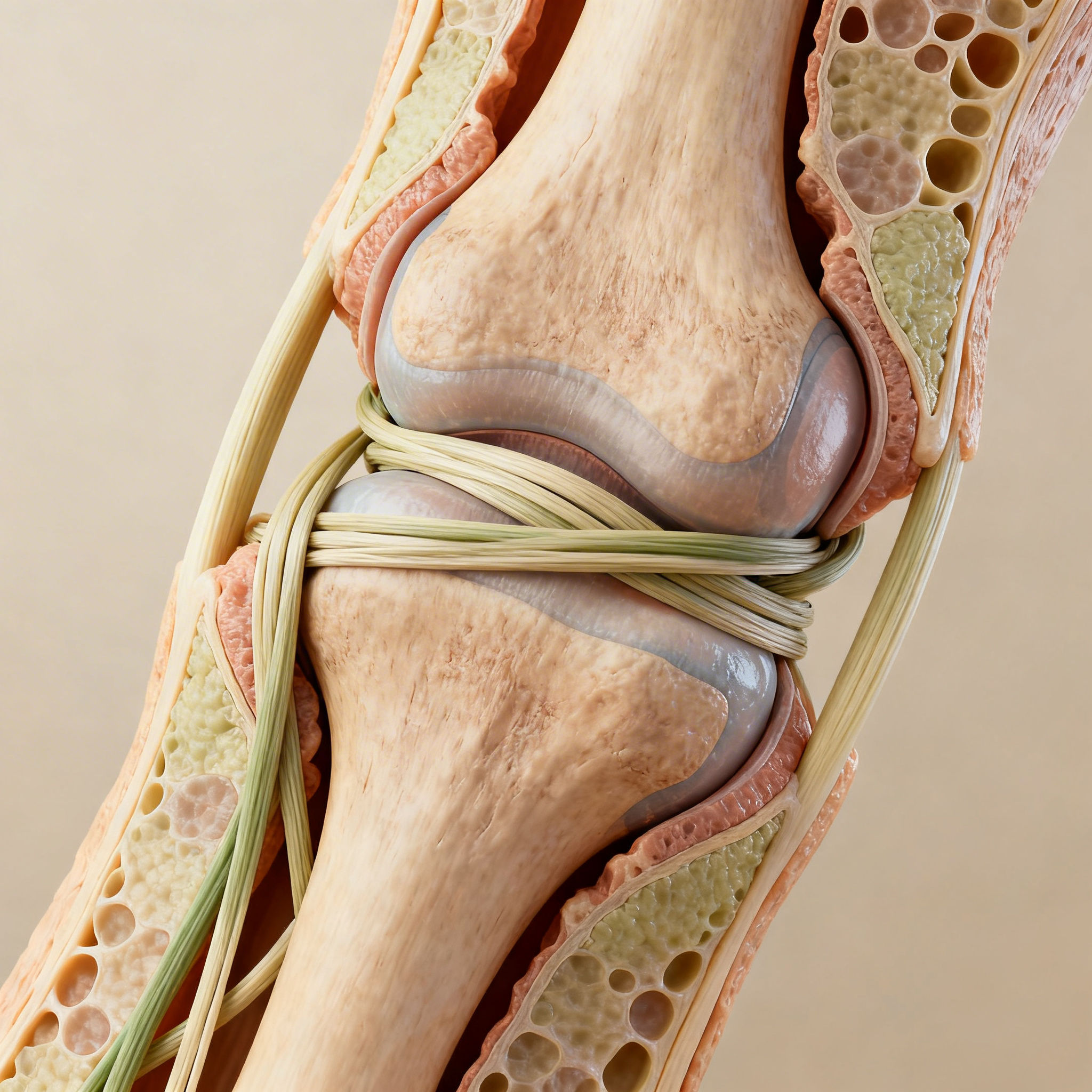
Ligaments and tendons have limited vascularity. Once stretched, they rarely return to baseline tension without stimulus.
Prolozone therapy for hip and knee pain triggers:
- Release of TGF beta
- Release of VEGF
- Recruitment of fibroblasts
- Angiogenesis
New collagen deposition strengthens lax ligaments and improves joint stability. As collagen matures from Type III to Type I, tensile strength increases.
Stability reduces abnormal joint loading, which in turn protects cartilage from further erosion.
3. Cytokine Modulation and Pain Reduction
Chronic joint pain often persists due to elevated IL 1 beta and TNF alpha. These cytokines suppress anabolic repair pathways.
Ozone downregulates pro inflammatory cytokines while stimulating antioxidant defense systems such as glutathione peroxidase and superoxide dismutase.
This reduces nociceptor sensitization and provides sustained antinociceptive benefit without cartilage toxicity.
Why Steroids and NSAIDs Fall Short
Corticosteroids
Steroid injections reduce inflammation rapidly. However, repeated exposure is associated with:
- Chondrocyte apoptosis
- Extracellular matrix breakdown
- Cartilage thinning
While pain decreases temporarily, structural degeneration may accelerate.
NSAIDs
NSAIDs inhibit COX pathways that are necessary for early healing signaling. Chronic use may interfere with regenerative responses and carries gastrointestinal and renal risk.
By contrast, prolozone therapy for hip and knee pain works with physiologic repair pathways rather than suppressing them.
Comparison With Other Regenerative Options
PRP
Platelet rich plasma provides concentrated growth factors. It is useful in moderate degeneration but relies on adequate tissue oxygenation to function optimally.
Stem Cell Therapy
Reserved for advanced structural damage. It introduces progenitor cells but requires a favorable microenvironment.
Prolozone is often used as a foundational therapy because it improves the metabolic soil in which regeneration occurs.
The Gut Joint Axis and Systemic Inflammation
Joint pain is rarely isolated.
Intestinal permeability allows lipopolysaccharides to enter circulation. These trigger systemic cytokine release that amplifies joint inflammation.
Dysbiosis alters short chain fatty acid production, reducing anti inflammatory signaling.
At ARKA Anugraha Hospital, metabolic and gut optimization are addressed alongside prolozone therapy for hip and knee pain to reduce systemic inflammatory load.
Hormonal Influences on Joint Integrity
Estrogen regulates collagen cross linking. Decline during menopause increases joint stiffness and cartilage vulnerability.
Testosterone and growth hormone influence protein synthesis and connective tissue repair.
Anabolic deficiency slows recovery from degenerative changes.
Hormonal assessment may be part of comprehensive regenerative planning.
Neural Therapy and Pain Reset
Chronic joint pain can become embedded in the autonomic nervous system through persistent nociceptive input.
Neural therapy using local anesthetics may help reset aberrant signaling loops.
When combined with prolozone therapy for hip and knee pain, this dual approach addresses both structural and neurological contributors to chronic pain.
The Clinical Protocol
Most patients undergo 3 to 6 sessions spaced 2 to 4 weeks apart.
Each session lasts approximately 20 minutes.
Post treatment:
- Mild fullness or soreness may occur
- Light mobility is encouraged
- NSAIDs are avoided temporarily
Functional improvement typically progresses over 6 to 12 weeks as collagen remodeling matures.

Who Is an Ideal Candidate
- Mild to moderate osteoarthritis
- Recurrent joint instability
- Persistent hip or knee pain despite physiotherapy
- Patients seeking non surgical joint replacement alternatives
- Early degenerative joint disease
Advanced bone deformity may still require surgical consultation.
ARKA Anugraha Hospital Approach
At ARKA Anugraha Hospital, prolozone therapy for hip and knee pain is delivered within an integrative regenerative framework. Patients undergo mechanical assessment, metabolic screening, and inflammatory evaluation before treatment planning. Dr Gaurang Ramesh and the multidisciplinary team combine oxygen based regenerative therapy with nutritional science, gut restoration, hormonal balance, and rehabilitation strategy. The goal is not temporary relief but restoration of joint biomechanics and long term functional stability.
Conclusion
Joint replacement should not be the automatic next step for every patient with hip or knee pain. Many cases stem from ligament laxity, tissue hypoxia, and metabolic dysfunction rather than irreversible structural collapse.
Prolozone therapy for hip and knee pain offers a biologically rational, non surgical joint replacement alternative that improves oxygenation, stimulates collagen remodeling, and stabilizes connective tissue. When integrated within a systems based model of care, it provides a meaningful path toward restored mobility and sustained pain reduction.
FREQUENTLY ASKED QUESTIONS
- What is prolozone therapy for hip and knee pain?
A regenerative injection therapy combining medical ozone with nutrients to stimulate joint repair. - Can it prevent joint replacement?
In mild to moderate degeneration, it may delay or avoid surgery. - Is ozone safe inside a joint?
When administered in controlled medical doses by trained clinicians, it has a strong safety profile. - How many sessions are needed?
Typically 3 to 6 sessions depending on severity. - Is recovery time long?
No. Most patients resume daily activity within 24 to 48 hours. - Does it regrow cartilage?
It supports cartilage metabolism and joint stabilization but does not replace advanced structural loss. - Is it better than steroids?
Steroids suppress inflammation. Prolozone promotes tissue repair. - Can it be combined with PRP?
Yes, combination protocols are common. - Who should avoid this therapy?
Active infection, severe deformity, or uncontrolled systemic illness require evaluation first. - Does it hurt?
Mild discomfort during injection is expected. - Is it suitable for elderly patients?
Yes, especially those seeking non surgical alternatives. - Can it treat both hips and knees?
Yes, it is used for multiple large joints. - When will improvement begin?
Many notice changes within weeks, with continued improvement over months. - Does insurance cover it?
Coverage varies by policy and region. - Is this part of functional medicine?
Yes, when integrated with metabolic and gut optimization.
Explore Arka Recipes
Discover recipes that blend taste with health, crafted by our experts for your well-being.
Arka Diagnostics
Discover groundbreaking diagnostic services exclusive to India, now available at Arka Health, Bangalore