
Prolozone Therapy for Arthritis Pain: How Ozone Injections Can Help You Move Freely Again

- Published on: 03/March/2026
- Posted By: Arka Health
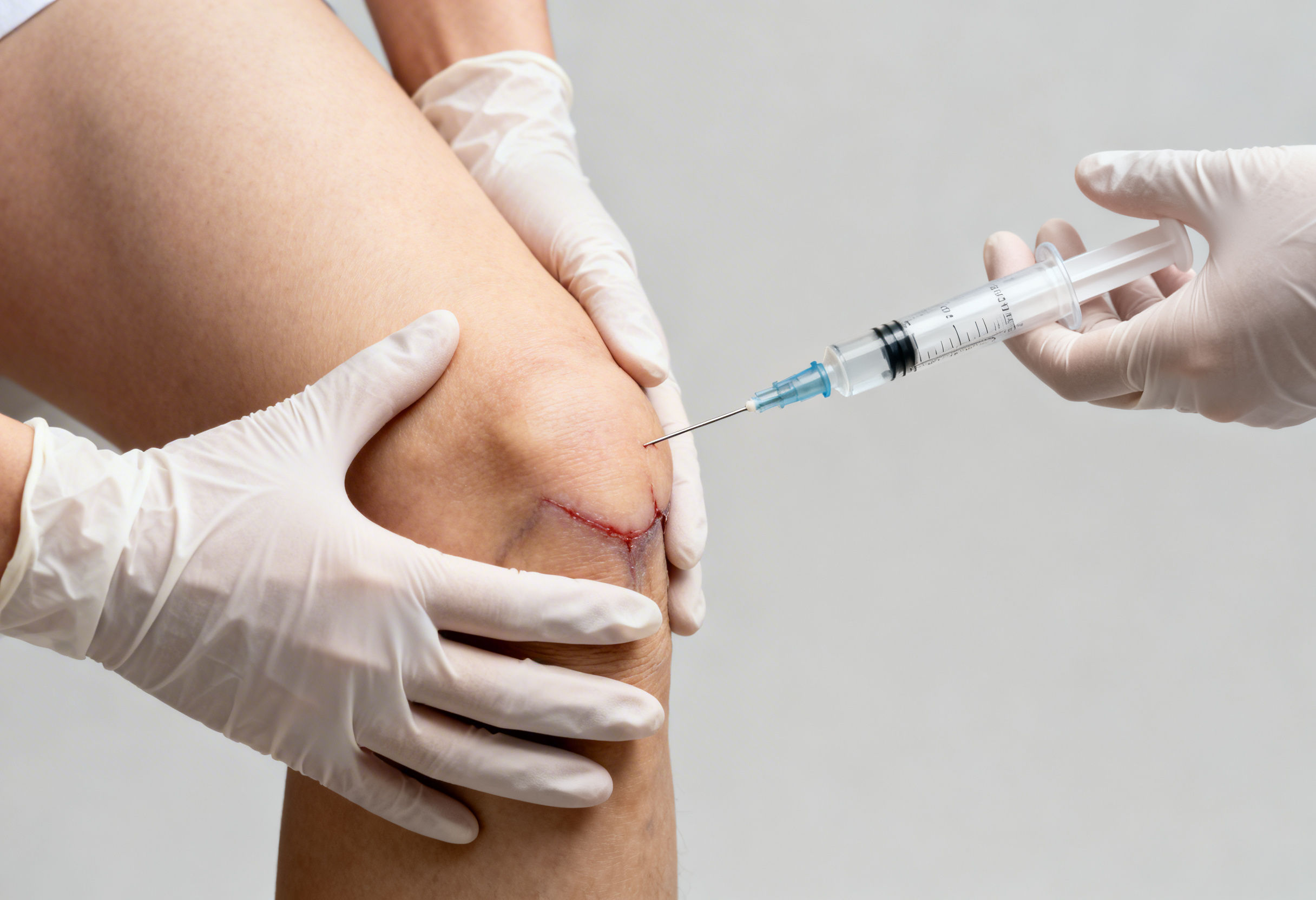
Introduction: A New Direction in Arthritis Care
Arthritis pain is often described as stiffness, grinding, swelling, or a deep ache that worsens with movement. For many patients, it becomes a daily limitation that affects walking, climbing stairs, sleep, and overall independence. Traditionally, arthritis has been viewed as a degenerative condition where cartilage simply wears down over time. As a result, treatment strategies have largely focused on symptom suppression using NSAIDs, corticosteroid injections, or eventual joint replacement.
However, modern research has reshaped this understanding. Osteoarthritis is not just mechanical wear. It is a metabolically active condition involving mitochondrial dysfunction, oxidative stress, synovial inflammation, and altered immune signaling. Within this emerging framework, prolozone therapy for arthritis pain has gained attention as a regenerative, non-surgical arthritis therapy that aims to restore tissue physiology rather than suppress inflammation alone.
At ARKA Anugraha Hospital, this therapy is integrated into a comprehensive model that addresses joint metabolism, the gut-joint axis, and systemic inflammatory drivers to help patients regain mobility and reduce long-term dependency on medication.
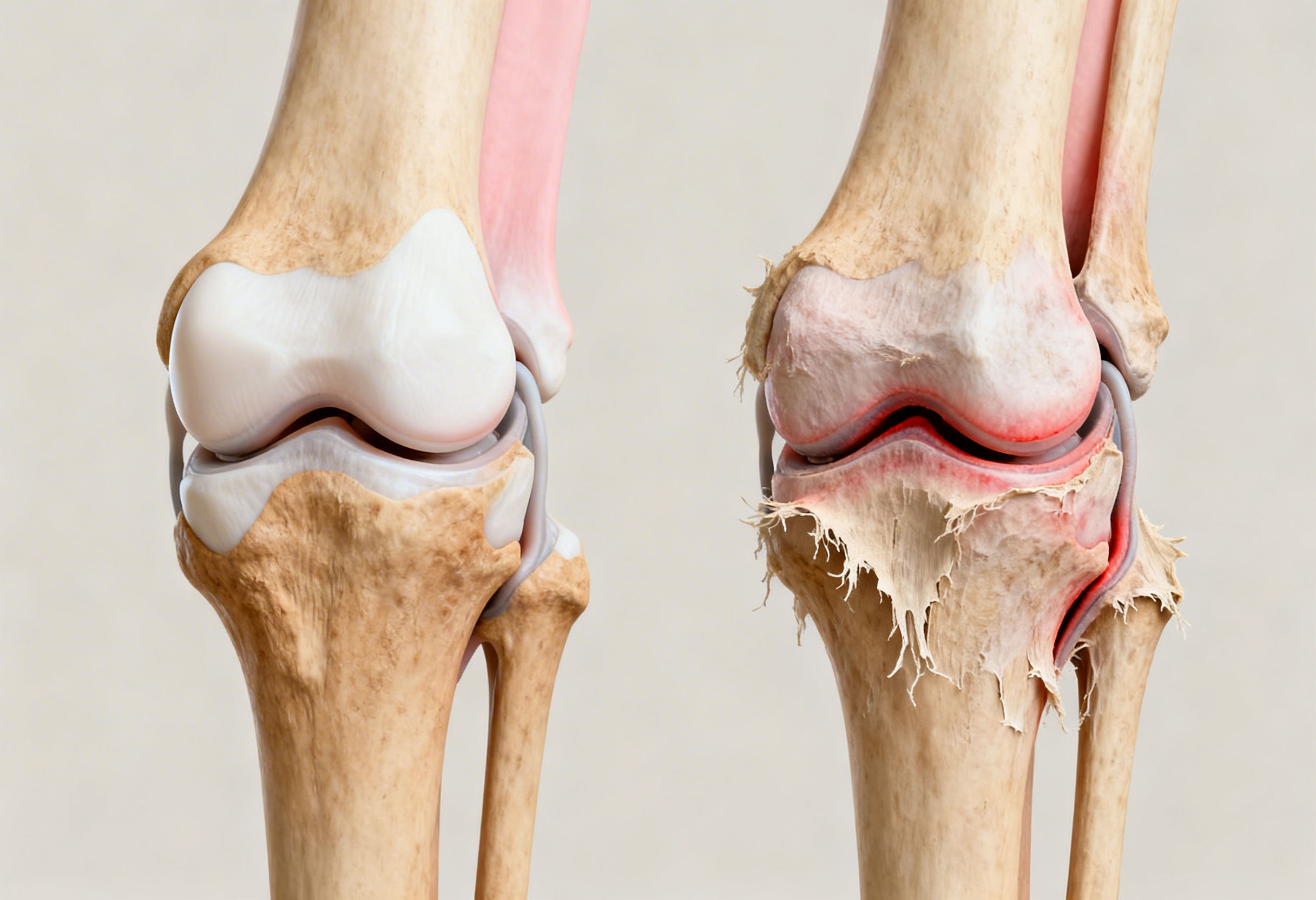
The Biology of the Arthritic Joint
To understand how prolozone therapy for arthritis pain works, it is important to examine what occurs at the cellular level in osteoarthritis.
Hypoxia and Cartilage Starvation
Articular cartilage lacks direct blood supply. Chondrocytes rely on diffusion of oxygen and nutrients from synovial fluid. In arthritis, synovial inflammation increases intra-articular pressure and compromises microcirculation. This creates a hypoxic joint environment.
When oxygen delivery declines, cells shift from oxidative phosphorylation to anaerobic glycolysis. This results in:
- Reduced ATP production
- Accumulation of lactic acid
- Increased intra-articular acidity
- Sensitization of nociceptors
Persistent hypoxia promotes cartilage degradation and pain amplification.
Mitochondrial Dysfunction in Arthritis
Mitochondrial dysfunction in arthritis is increasingly recognized as a primary driver of disease progression. Damaged mitochondria produce excessive reactive oxygen species. Oxidative stress damages mitochondrial DNA and impairs ATP synthesis.
Consequences include:
- Chondrocyte apoptosis
- Impaired collagen synthesis
- Increased matrix metalloproteinase activation
- Synovial inflammation
Without adequate cellular energy, cartilage cannot maintain its extracellular matrix. Any therapy aiming for osteoarthritis pain relief must therefore improve mitochondrial efficiency.
Cytokine Activation and Cartilage Breakdown
Inflammatory cytokines such as IL-1 beta and TNF alpha activate the NF-kappa B pathway. This increases production of matrix metalloproteinases that degrade cartilage. Simultaneously, collagen synthesis is suppressed.
This imbalance between catabolism and anabolism accelerates joint degeneration.
What Is Prolozone Therapy for Arthritis Pain?
Prolozone therapy for arthritis pain is a regenerative injection technique that combines proliferative stimulation with medical ozone therapy.
The procedure typically involves:
- Injection of a nutrient-rich solution
- Followed by controlled insufflation of medical-grade ozone gas
The goal is to enhance oxygen utilization, stimulate collagen repair, and modulate inflammatory signaling.
Unlike corticosteroid injections, which are catabolic, ozone injections for arthritis aim to create an anabolic and metabolically supportive environment.
Mechanisms of Action
1. Enhanced Oxygen Delivery
Medical ozone increases 2,3-diphosphoglycerate levels in erythrocytes, shifting the oxygen dissociation curve to facilitate oxygen release into hypoxic tissues. Improved oxygenation allows chondrocytes to resume efficient oxidative phosphorylation.
Restored oxygen availability reduces lactic acidosis and supports tissue regeneration.
2. Mitochondrial Resuscitation
Ozone influences the NAD to NADH ratio within mitochondria. An increased NAD availability stimulates the Krebs cycle and enhances ATP production.
This mitochondrial activation provides the energy necessary for:
- Collagen synthesis
- Proteoglycan production
- Cellular repair
- Membrane stabilization
Improved bioenergetics is central to the regenerative effect of prolozone therapy for arthritis pain.
3. Hormetic Activation of Antioxidant Pathways
Therapeutic ozone triggers mild oxidative signaling that activates the Nrf2 pathway. This upregulates endogenous antioxidant enzymes such as superoxide dismutase, glutathione peroxidase, and catalase.
This controlled response reduces chronic oxidative stress while strengthening the joint’s internal defense system.
4. Immunomodulation
Ozone has been shown to downregulate NF-kappa B signaling and reduce pro-inflammatory cytokine production. Simultaneously, it may stimulate growth factors that support tissue repair.
This dual modulation distinguishes prolozone therapy for arthritis pain from purely anti-inflammatory treatments.
Why Arthritis Is Often Mismanaged
Overreliance on Imaging
Radiographs primarily assess bone changes. Early cartilage dysfunction, ligament laxity, and metabolic instability may not appear on X-ray.
Patients are often told their pain is minimal despite significant functional impairment.
Central Sensitization
Chronic nociceptive input from arthritic joints can lead to central sensitization. The nervous system becomes hyperresponsive, amplifying pain perception.
Procaine used in prolozone protocols may help stabilize depolarized nerve membranes and interrupt chronic pain loops.
The Gut-Joint Axis
Intestinal permeability allows lipopolysaccharides to enter circulation, triggering systemic cytokine release. These inflammatory mediators can accumulate in synovial tissue and perpetuate arthritis pain.
At ARKA Anugraha Hospital, gut health evaluation is considered essential in patients with persistent inflammatory arthritis symptoms.
Integrative Care at ARKA Anugraha Hospital

Prolozone therapy for arthritis pain is implemented within a broader integrative framework.
Metabolic Assessment
Patients are evaluated for:
- Insulin resistance
- Elevated hs-CRP
- Micronutrient deficiencies
- Oxidative stress markers
Nutritional Support
Collagen repair requires:
- Vitamin C
- Zinc
- Adequate protein intake
- Omega-3 fatty acids
Hydration is emphasized to optimize cartilage diffusion dynamics.
Lifestyle Modulation
Weight optimization reduces biomechanical stress. Anti-inflammatory dietary patterns support systemic immune regulation.
Comparison With Other Therapies
Prolozone vs Corticosteroid Injections
Corticosteroids suppress immune activity but inhibit collagen synthesis. Repeated injections may weaken ligaments and thin cartilage.
Prolozone therapy for arthritis pain supports tissue regeneration while modulating inflammation without inducing catabolism.
Prolozone vs NSAIDs
NSAIDs inhibit cyclooxygenase enzymes and may interfere with healing cascades. Long-term use carries gastrointestinal and cardiovascular risks.
Ozone injections for arthritis aim to correct hypoxia and mitochondrial dysfunction rather than block inflammatory mediators indiscriminately.
Prolozone vs PRP
PRP delivers concentrated growth factors. However, PRP efficacy depends on adequate tissue oxygenation. Prolozone may serve as a metabolic primer in hypoxic joints.

The Procedure
A session typically lasts 20 to 30 minutes.
- Local anesthetic administration
- Injection of regenerative nutrient solution
- Ozone gas insufflation
Patients may experience temporary fullness or mild soreness. NSAIDs should be avoided post-treatment to allow the regenerative cascade to proceed.
Most patients require 3 to 5 sessions spaced two weeks apart.
Safety Considerations
Prolozone therapy for arthritis pain has a favorable safety profile when administered by trained clinicians.
Contraindications include:
- G6PD deficiency
- Active joint infection
- Uncontrolled hyperthyroidism
Temporary soreness is the most common minor side effect.
Conclusion
Arthritis pain is no longer viewed solely as inevitable mechanical decline. It is increasingly recognized as a condition driven by hypoxia, mitochondrial dysfunction, oxidative stress, and systemic inflammation.
Prolozone therapy for arthritis pain represents a regenerative, non-surgical arthritis therapy that addresses these biological drivers directly. By enhancing oxygen delivery, restoring mitochondrial function, and modulating cytokine signaling, ozone injections for arthritis offer a pathway toward improved mobility and reduced dependency on suppressive medications.
At ARKA Anugraha Hospital, this therapy is implemented within an integrative framework that considers metabolic health, the gut-joint axis, and structural biomechanics. For many patients, this approach provides an opportunity to move freely again without immediate surgical intervention.
Frequently Asked Questions (FAQ)
- Is prolozone therapy safe for arthritis?
Yes, when performed by trained professionals with appropriate screening. - How many sessions are required?
Typically 3 to 5 sessions depending on severity. - Is the procedure painful?
Most patients report mild discomfort only. - Can it help severe osteoarthritis?
It may improve stability and reduce pain even in advanced cases. - Does it replace joint replacement surgery?
In some cases it can delay or avoid surgery. - Is it better than cortisone injections?
It supports tissue regeneration rather than suppressing inflammation. - Can diabetics undergo treatment?
Yes, with proper glucose monitoring. - How quickly will I see results?
Some improvement may occur after the first session, with cumulative benefits. - Does ozone damage cartilage?
No, therapeutic doses aim to support cartilage metabolism. - Are there systemic side effects?
Systemic side effects are rare. - Can it be combined with PRP?
Yes, combination protocols may enhance outcomes. - Is it covered by insurance?
Coverage varies and is often limited. - Can it treat multiple joints?
Yes, multiple joints may be treated sequentially. - What supplements help support treatment?
Collagen, vitamin C, omega-3 fatty acids, and adequate hydration are commonly recommended.
Explore Arka Recipes
Discover recipes that blend taste with health, crafted by our experts for your well-being.
Arka Diagnostics
Discover groundbreaking diagnostic services exclusive to India, now available at Arka Health, Bangalore