
Prolozone Therapy for Chronic Pain Management: A New Era of Non-Surgical Healing

- Published on: 27/Feb/2026
- Posted By: Arka Health
Introduction: Rethinking Chronic Pain Management
Chronic pain has evolved into one of the most complex public health challenges worldwide. Musculoskeletal disorders, osteoarthritis, chronic low back pain, ligament injuries, and degenerative joint conditions significantly reduce mobility and quality of life. Conventional treatment models often rely on NSAIDs, corticosteroid injections, or surgical intervention. While these methods may provide short-term relief, they frequently fail to correct the underlying structural instability or metabolic dysfunction that drives persistent pain.
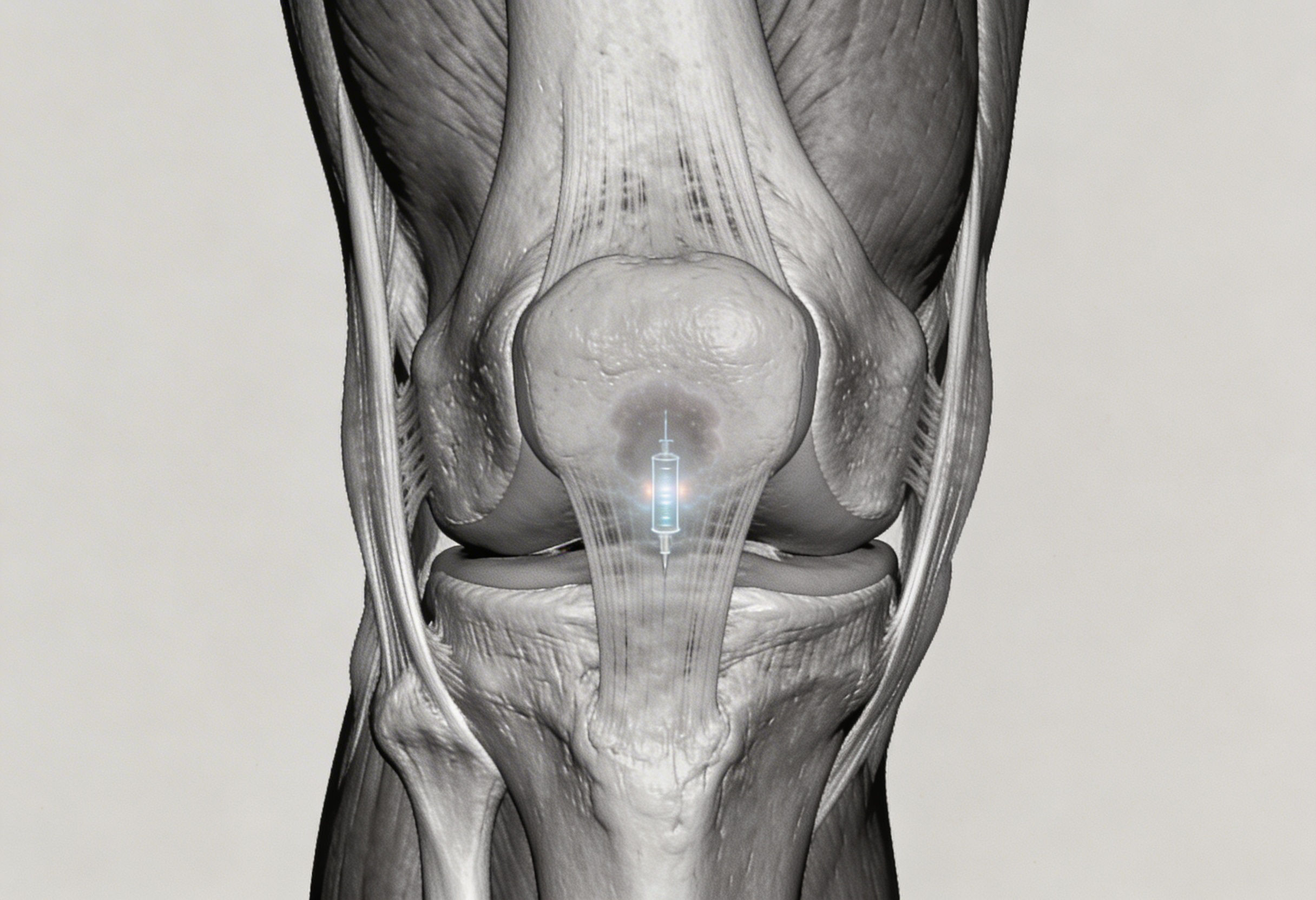
Prolozone therapy for chronic pain represents a regenerative and non-surgical healing approach that shifts the focus from suppression to tissue restoration. By combining proliferative injection techniques with medical ozone, this therapy aims to improve oxygen utilization, stimulate collagen repair, and modulate chronic inflammation at the cellular level.
At ARKA Anugraha Hospital, prolozone therapy for chronic pain is integrated into a comprehensive functional and regenerative medicine framework designed to address both structural and systemic contributors to long-standing pain conditions.
Understanding the Biology of Chronic Pain
Chronic pain is not merely a symptom of tissue damage. It is a complex interplay between mechanical instability, neuroinflammation, mitochondrial dysfunction, and systemic immune activation.
Ligament Laxity and Mechanical Instability
Ligaments provide static stability to joints. When injured or overstretched, they heal slowly due to limited vascular supply. Incomplete healing leads to ligament laxity, causing:
- Abnormal joint biomechanics
- Increased shear forces
- Cartilage wear
- Muscle compensation and spasm
- Persistent nociceptive signaling
Chronic joint instability is a major driver of osteoarthritis and recurrent soft tissue pain.
Neuroinflammation and Central Sensitization
Persistent peripheral injury activates nociceptors and triggers the release of inflammatory mediators such as prostaglandins, cytokines, and substance P. Over time, this leads to central sensitization, where the nervous system becomes hyperreactive.
Patients may develop:
- Hyperalgesia
- Allodynia
- Amplified pain responses
Suppressing inflammation alone does not reverse these neural adaptations.
Mitochondrial Dysfunction and Cellular Hypoxia
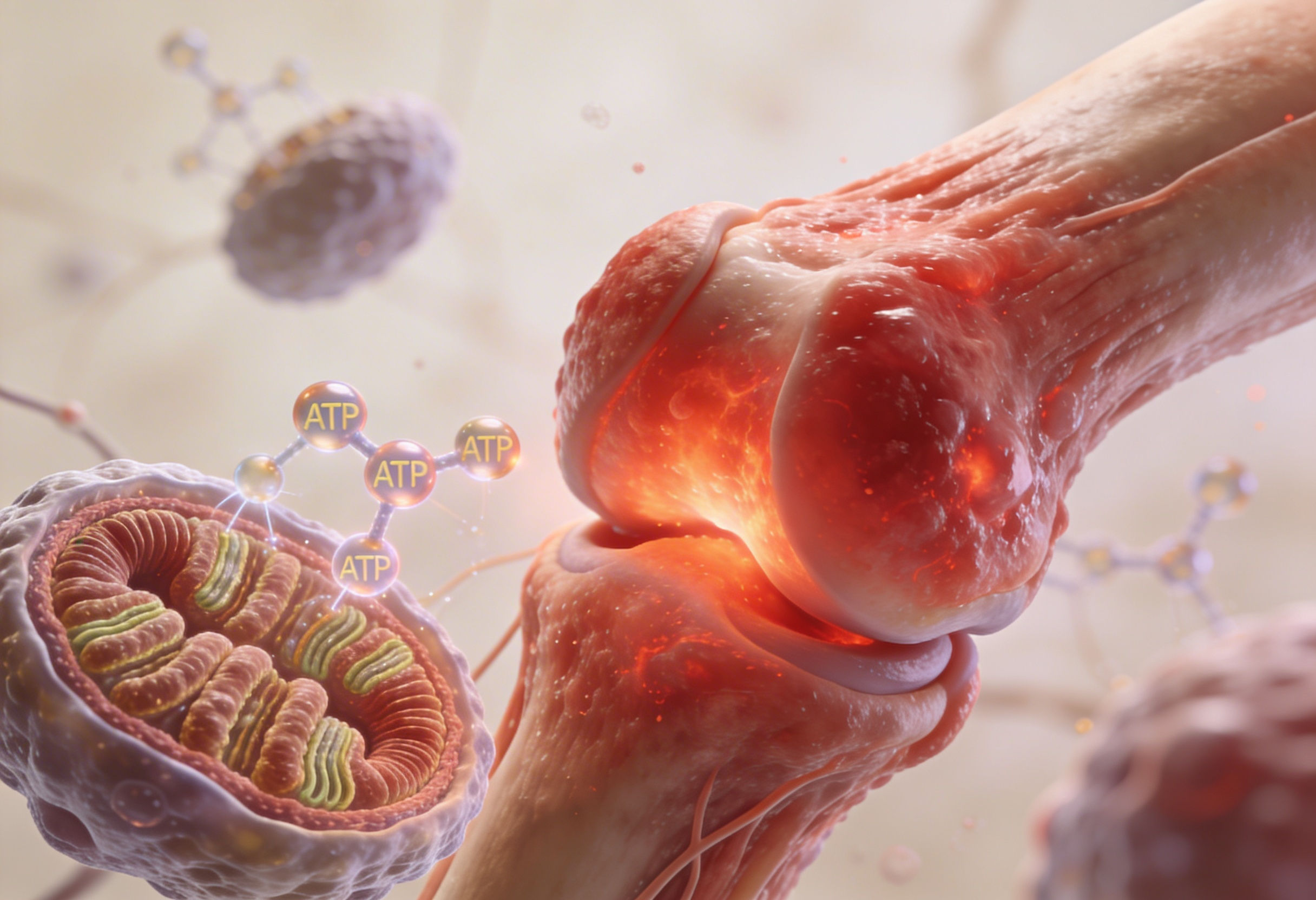
Emerging research highlights mitochondrial impairment in chronic pain syndromes. Reduced ATP production results in:
- Impaired tissue repair
- Increased oxidative stress
- Persistent inflammation
- Neuronal hyperexcitability
Ischemic and hypoxic tissues cannot regenerate effectively. Oxygen delivery and cellular metabolism must be restored for true healing to occur.
Limitations of Conventional Pain Management
NSAIDs
Non-steroidal anti-inflammatory drugs inhibit cyclooxygenase enzymes and reduce prostaglandin production. While effective for acute inflammation, long-term use may:
- Impair cartilage repair
- Increase gastrointestinal bleeding risk
- Elevate cardiovascular risk
- Cause renal impairment
Blocking inflammation chronically can hinder regenerative processes.
Corticosteroid Injections
Steroid injections reduce inflammation rapidly but may:
- Inhibit fibroblast activity
- Accelerate cartilage degeneration
- Weaken ligaments and tendons
- Suppress the hypothalamic pituitary adrenal axis
Repeated injections can worsen structural instability over time.
Surgical Intervention
Surgery may be necessary for severe pathology, but it carries risks including infection, scar tissue formation, prolonged rehabilitation, and variable long-term outcomes. Many degenerative conditions respond better to regenerative stabilization before structural failure becomes irreversible.
What Is Prolozone Therapy for Chronic Pain?
Prolozone therapy for chronic pain combines two therapeutic principles:
- Prolotherapy which stimulates connective tissue repair
- Ozone therapy which enhances oxygen metabolism and cellular bioenergetics
This combination makes it a powerful non-surgical healing modality.
The procedure involves:
- Injection of a nutrient-rich solution containing dextrose, vitamins, and minerals
- Followed by the injection of medical-grade oxygen ozone gas
This dual-step approach addresses both structural repair and metabolic restoration.
Mechanisms of Action
1. Improved Oxygen Delivery and Microcirculation
Medical ozone increases 2,3-diphosphoglycerate levels in red blood cells, shifting the oxygen dissociation curve and enhancing oxygen release into hypoxic tissues.
This leads to:
- Improved microcirculation
- Enhanced tissue oxygenation
- Reduction in ischemic pain
2. Mitochondrial Activation
Ozone stimulates enzymatic pathways in the Krebs cycle and electron transport chain, increasing ATP production. Enhanced bioenergetics allow cells to:
- Repair damaged membranes
- Restore ion gradients
- Reduce neuronal hyperexcitability
3. Activation of Antioxidant Pathways
Therapeutic ozone activates the Nrf2 pathway, upregulating endogenous antioxidant enzymes such as:
- Superoxide dismutase
- Glutathione peroxidase
- Catalase
This reduces oxidative stress and shifts the inflammatory environment toward resolution.
4. Collagen Synthesis and Ligament Repair
The dextrose component stimulates localized growth factor release including:
- Transforming growth factor beta
- Platelet-derived growth factor
- Vascular endothelial growth factor
These signals activate fibroblasts and promote collagen deposition, strengthening ligaments and tendons. Structural stabilization reduces abnormal joint mechanics and long-term pain recurrence.
Clinical Applications
Prolozone therapy for chronic pain is effective across multiple musculoskeletal conditions.
Chronic Low Back Pain and Disc Pathology
Ozone injections can:
- Reduce inflammatory cytokines around nerve roots
- Improve ligamentous stability
- Decompress disc bulges through proteoglycan modulation
This makes it valuable for chronic lumbar pain and radiculopathy.
Knee Osteoarthritis
Intra-articular ozone has been shown to:
- Reduce inflammatory markers
- Improve WOMAC functional scores
- Enhance cartilage metabolism
Unlike steroids, it does not degrade cartilage.
Frozen Shoulder
Capsular tightening responds well to ozone-assisted joint distension, improving range of motion and reducing fibrosis.
Plantar Fasciitis
Chronic degenerative fasciosis improves through enhanced microvascular perfusion and collagen remodeling.
Tendinopathies and Sports Injuries
Prolozone stimulates repair in chronic tendinosis, offering athletes a regenerative alternative to repetitive steroid injections.
The Integrative Approach at ARKA Anugraha Hospital
At ARKA Anugraha Hospital, prolozone therapy for chronic pain is not used in isolation. It is part of a systems-based pain management strategy.
Comprehensive Assessment
Evaluation includes:
- Structural biomechanics
- Nutritional status
- Metabolic markers
- Hormonal balance
- Gut health
Nutritional Optimization
Collagen repair requires adequate:
- Protein
- Vitamin C
- Zinc
- Magnesium
Gut and Immune Modulation
Addressing intestinal permeability reduces systemic inflammation and enhances regenerative response.
Functional Rehabilitation
Post-injection physiotherapy ensures proper collagen alignment through controlled mechanical loading.
The Procedure and Treatment Plan
A typical session lasts 20 to 30 minutes. The number of sessions depends on chronicity and severity.
Most chronic cases require:
- 3 to 6 treatments
- Spaced 2 to 4 weeks apart
Mild post-injection soreness for 24 to 48 hours is expected and indicates activation of the repair cascade.
NSAIDs should be avoided before and after treatment to preserve the regenerative inflammatory response.
Safety Profile
When administered by trained professionals, prolozone therapy for chronic pain has an excellent safety profile.
Possible mild effects:
- Temporary soreness
- Sensation of fullness
- Minor bruising
Serious adverse events are rare when sterile protocols are followed.
FREQUENTLY ASKED QUESTIONS
- Is prolozone therapy safe?
Yes, when performed by qualified medical practitioners. - How many sessions are needed?
Typically 3 to 6 sessions depending on severity. - Is it painful?
Most patients report mild discomfort only. - Can it replace surgery?
In many cases, it can delay or avoid surgical intervention. - Does it work for arthritis?
Yes, especially early to moderate osteoarthritis. - Can athletes benefit from it?
Yes, particularly for chronic tendon injuries. - Is there downtime?
Minimal downtime. Light activity is encouraged. - Can diabetics undergo treatment?
Yes, but blood sugar should be monitored. - How soon will I see results?
Some improvement may occur after the first session, with cumulative benefits over time. - Can I take painkillers afterward?
Acetaminophen is allowed, NSAIDs should be avoided. - Does insurance cover it?
Coverage varies and is often limited. - Is ozone toxic?
Medical ozone at therapeutic doses is safe and rapidly converts to oxygen. - Can it treat back pain?
Yes, particularly mechanical instability and inflammatory radiculopathy. - Is it better than steroid injections?
It focuses on repair rather than suppression. - Can it help chronic sports injuries?
Yes, especially in degenerative soft tissue conditions.
Explore Arka Recipes
Discover recipes that blend taste with health, crafted by our experts for your well-being.
Arka Diagnostics
Discover groundbreaking diagnostic services exclusive to India, now available at Arka Health, Bangalore