
Prolozone Therapy for Chronic Hip Pain: Healing Joints When Surgery Seems Inevitable

- Published on: 22/Jan/2026
- Posted By: Arka Health
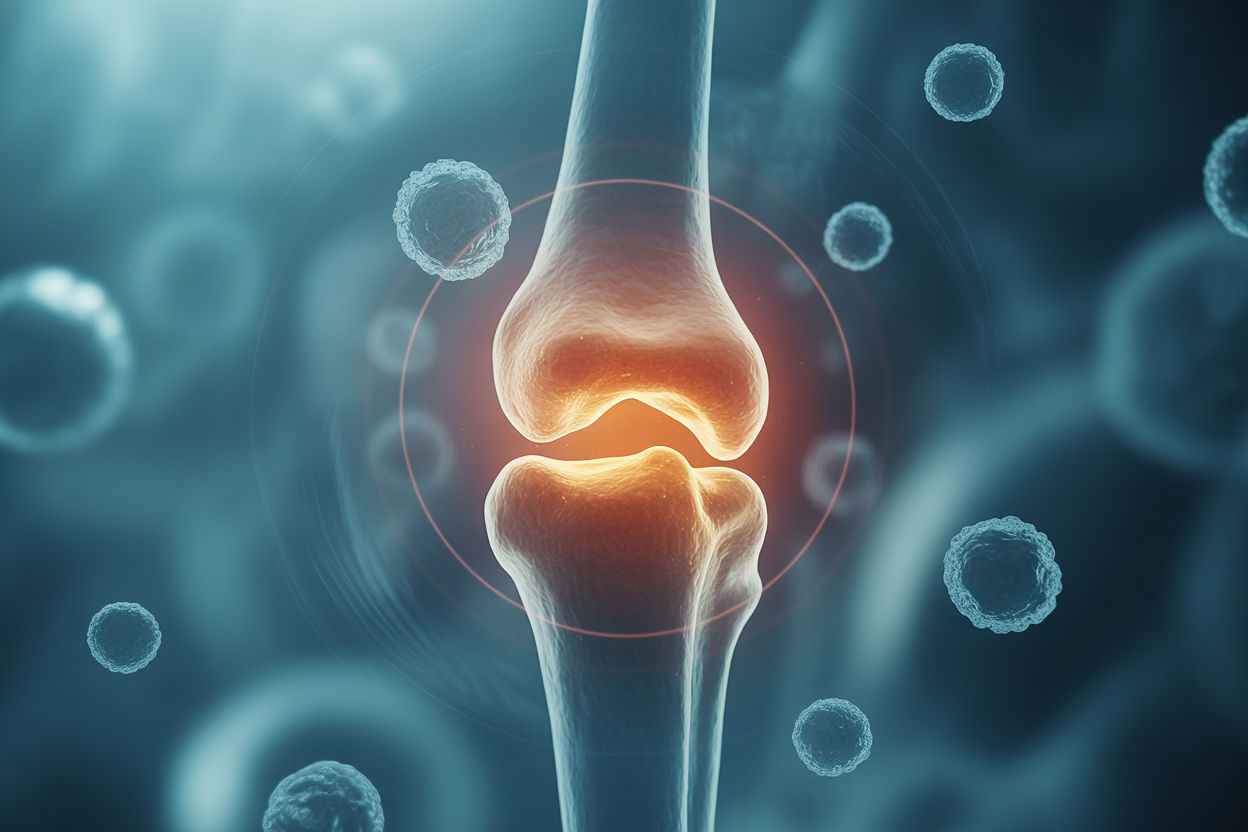
Ramesh’s hip pain started subtly at age 58. The Bangalore businessman noticed stiffness getting out of his car after long drives. Within eighteen months, the dull ache had transformed into debilitating agony. Walking more than 100 meters became impossible. Climbing stairs required gripping the railing and pulling himself up with his arms. His limp was so pronounced that colleagues asked if he had injured himself.
His orthopedist’s X-rays showed moderate osteoarthritis with joint space narrowing. The prescription was predictable: anti-inflammatory medications, physical therapy, and weight loss. When those failed after six months, a cortisone injection provided three months of relief before the pain returned worse than before. At his follow up, his doctor delivered what felt like a life sentence: total hip replacement, probably within two years. At 59, Ramesh faced major surgery, months of rehabilitation, and the certainty that his artificial joint would need replacement again in fifteen to twenty years.
When Ramesh discovered Prolozone therapy at ARKA Anugraha Hospital, he learned something his previous doctors had never mentioned: his hip arthritis was not just mechanical wear and tear but a metabolic disease driven by systemic inflammation. His excess abdominal weight, borderline diabetes, and gut issues were chemically attacking his joint. After comprehensive evaluation including gut health screening, he began Prolozone treatments combined with metabolic optimization. Five sessions later, his transformation was remarkable. He walks without limping, climbs stairs normally, and has postponed surgery indefinitely. Three years later, he continues living actively, his hip having genuinely healed rather than just temporarily numbed.
Why Your Hip Is Uniquely Vulnerable to Degeneration
The hip joint represents a remarkable engineering compromise between stability and mobility. This ball and socket joint must simultaneously bear your entire body weight during walking while allowing the wide range of motion needed for activities like squatting, climbing, and sitting cross legged. This dual demand creates inherent vulnerabilities that make the hip particularly susceptible to chronic pain.
The anatomical Achilles heel is hyaline cartilage coating both the femoral head ball and the acetabular socket. This specialized tissue is remarkably slick with a coefficient of friction lower than ice on ice, acting as shock absorber and friction reducer. However, it possesses a critical flaw: cartilage is both aneural, lacking nerves, and avascular, lacking blood vessels. It relies entirely on nutrient diffusion from synovial fluid and underlying bone.
This creates a precarious supply chain. When joint movement restricts or synovial fluid quality degrades through inflammation, chondrocytes, the cartilage cells, starve. Without adequate nutrients and oxygen, they cannot synthesize the proteoglycans and Type II collagen needed to maintain the cartilage matrix. Gradual erosion characteristic of osteoarthritis follows this cellular starvation.
The blood supply to the hip, particularly the femoral head, is notoriously precarious. It depends primarily on the medial circumflex femoral artery, a vascular network easily compromised by trauma, increased joint pressure, or systemic vascular disease. Reduced blood flow creates hypoxia, oxygen deprivation that is the enemy of repair. Fibroblasts and chondrocytes require oxygen to produce ATP, the energy currency used to build tissue. When oxygen levels drop, these cells switch to inefficient anaerobic metabolism producing lactic acid while repair mechanisms fail.
This state of cellular asphyxiation is the fundamental pathology Prolozone therapy reverses. By flooding the joint with oxygen and stimulating mitochondrial energy production, Prolozone addresses the root cause rather than masking symptoms.
Related service: Comprehensive metabolic and structural hip evaluation at ARKA Anugraha Hospital determines if your hip pain stems from addressable metabolic factors rather than purely mechanical damage.
Metabolic Osteoarthritis: When Fat Attacks Your Hip Chemically
A paradigm shift is reshaping understanding of hip osteoarthritis. The traditional view of simple wear and tear is increasingly obsolete. Modern research identifies metabolic osteoarthritis as a distinct and prevalent phenotype, fundamentally changing treatment approaches.
Epidemiological data reveals a startling correlation: approximately 59 percent of patients with hip osteoarthritis also suffer from metabolic syndrome. This cluster of conditions including hypertension, elevated blood sugar, abdominal obesity, and dyslipidemia acts as a systemic accelerant for joint destruction. This connection explains why metabolic osteoarthritis affects non weight bearing joints like hands equally, proving the problem extends beyond mechanical loading.
Adipokines represent fat tissue as an endocrine weapon attacking joints chemically. Visceral abdominal fat is not merely passive energy storage but a metabolically active organ secreting signaling proteins called adipokines including leptin, resistin, and adiponectin. High leptin levels common in obese individuals appear in synovial fluid of arthritic hips. Leptin stimulates chondrocytes to secrete pro inflammatory cytokines and matrix metalloproteinases, enzymes that literally digest cartilage matrix.
This means excess body fat attacks your hip joint chemically, not just mechanically through weight bearing. The inflammatory signals from visceral fat travel through your bloodstream directly to your joint, creating a state of chronic low grade inflammation that prevents healing while accelerating degeneration.
Advanced glycation end products from diabetes compound the damage. Elevated blood glucose binds to collagen fibers in joint capsules and cartilage through a process called glycation, making them brittle and prone to microfractures. These AGEs trigger inflammatory receptors perpetuating chronic inflammation. This explains why diabetic patients experience accelerated osteoarthritis even when maintaining healthy weight.
At ARKA Anugraha Hospital, this understanding fundamentally changes treatment approach. Rather than viewing your hip as an isolated mechanical problem, physicians evaluate metabolic markers including hemoglobin A1c for glucose control, uric acid for inflammation, and C reactive protein for systemic inflammation. Treating hip arthritis without addressing metabolic dysfunction is like trying to grow plants in poisoned soil.
Read next: Understanding how metabolic optimization enhances regenerative therapy outcomes at ARKA Anugraha Hospital.
The Gut Hip Connection: Hidden Source of Joint Inflammation

One of ARKA Anugraha Hospital’s distinguishing features is recognition of the gut joint axis, a concept positioning gastrointestinal health as a primary regulator of musculoskeletal inflammation. Under Dr. Gaurang Ramesh’s functional medicine guidance, treating a bad hip often begins with healing a bad gut.
The intestinal lining is a single cell layer designed to absorb nutrients while barring toxins. Chronic stress, antibiotic use, processed foods, and NSAID usage compromise tight junction integrity between these cells. When the barrier breaches, bacterial toxins specifically lipopolysaccharides escape from the gut lumen into bloodstream.
This creates metabolic endotoxemia, low grade presence of bacterial toxins triggering systemic immune response. The immune system on constant high alert releases inflammatory mediators that circulate throughout your body and deposit in areas of high vascularity or mechanical stress, precisely like the hip synovium. Your gut inflammation becomes your hip inflammation.
The gut microbiome regulates your immune system’s set point. Beneficial bacteria produce short chain fatty acids like butyrate with potent anti inflammatory effects on joints. Conversely, a dysbiotic microbiome dominated by pathogenic strains promotes inflammation. In some cases, gut bacteria protein structures resemble human cartilage proteins. The immune system attempting to attack bacteria inadvertently targets joint tissues through molecular mimicry.
ARKA’s protocol includes comprehensive gut health screening for chronic hip pain patients. If leaky gut is identified, it receives concurrent treatment with probiotics, prebiotic fiber, gut healing nutrients, and dietary modifications. This stops the flow of systemic inflammation at its source, creating an internal environment where Prolozone’s regenerative signals can produce maximal results.
Why Standard Hip Treatments Often Accelerate Degeneration
Patients with chronic hip pain typically funnel through an algorithm unchanged for decades. While effective for acute symptom management, these modalities often fail to alter disease trajectory and may accelerate degeneration.
NSAIDs create a paradox. Non steroidal anti inflammatory drugs remain the most prescribed medications for hip pain, blocking cyclooxygenase enzymes to reduce prostaglandin pain signals. However, prostaglandins are also required for maintaining gastric mucosa, renal blood flow, and importantly, proteoglycan synthesis in cartilage. Chronic NSAID use may actually impair your joint’s ability to repair itself while increasing risks of gastrointestinal bleeding, ulcers, and cardiovascular events.
Cortisone injections represent a Faustian bargain. Intra articular steroid injections provide powerful short term pain relief by shutting down immune activity in the joint. However, corticosteroids are catabolic, breaking down protein. Repeated injections thin cartilage, weaken ligaments, and reduce bone density. In the hip specifically, steroids can compromise blood flow to the femoral head, increasing avascular necrosis risk where bone literally dies and collapses. Studies show while cortisone provides superior relief at six weeks, by one year patients who received steroids have worse pain and function than those who received no injection.
Total hip arthroplasty becomes presented as inevitable. Joint replacement represents the end of the road solution involving amputating the femoral head and reaming out the acetabulum. While often successful, it carries significant implications including infection risk, deep vein thrombosis, nerve injury, and leg length discrepancy. Prosthetics have finite lifespans of fifteen to twenty years, meaning younger patients face certainty of revision surgery, technically more difficult with poorer outcomes than primary surgery.
This landscape of manage pain until you replace the joint highlights the desperate need for regenerative alternatives addressing root causes rather than masking symptoms while degeneration progresses.
How Prolozone Addresses Hip Specific Pathology
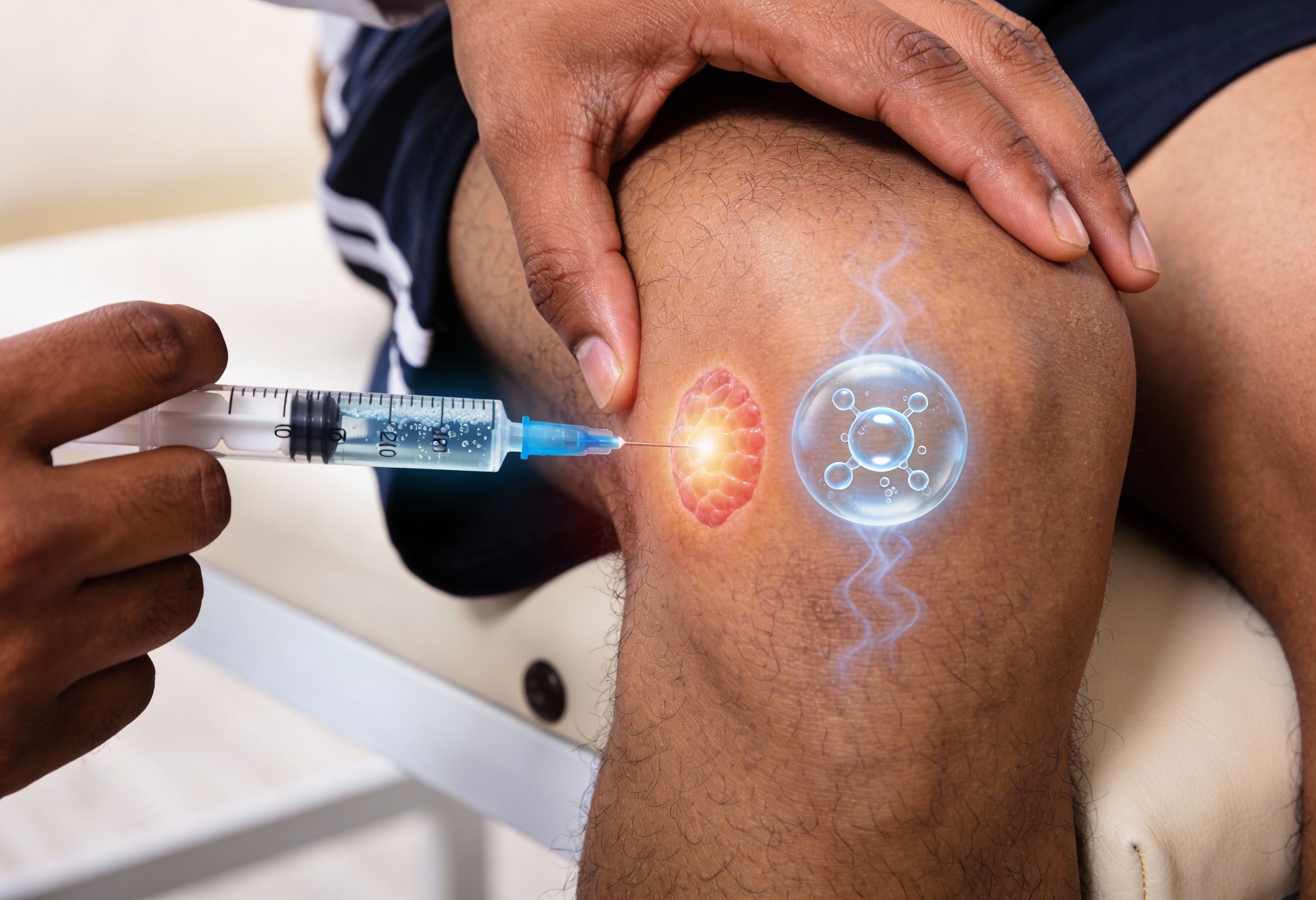
Prolozone therapy succeeds for hip pain by targeting the three critical deficits in the chronic degeneration cycle: oxygen, energy, and nutrients. The treatment delivers a two phase injection protocol specifically designed to wake up dormant hip cartilage cells and provide metabolic fuel they need to resume repair.
The liquid nutritional phase contains procaine providing immediate local anesthetic while improving circulation and resetting pain nerve signals. Dextrose serves as direct metabolic substrate providing glucose that energy starved mitochondria convert to ATP. B vitamins support the cellular multiplication required for repair, while anti inflammatory homeopathic agents modulate smoldering inflammation into constructive healing.
The ozone gas phase provides the regenerative catalyst. Medical ozone immediately reacts with biological fluids generating messenger molecules triggering healing cascades. The massive oxygen delivery breaks the hypoxic cycle starving your hip cartilage. Ozone stimulates red blood cells to increase 2,3 diphosphoglycerate, allowing hemoglobin to dump oxygen more readily into oxygen starved tissue.
The mitochondrial boost is critical for hip regeneration. Ozone upregulates enzymes of the electron transport chain, increasing ATP production surge. With renewed energy, chondrocytes resume the energy expensive task of synthesizing extracellular matrix and organized collagen. Growth factor release including transforming growth factor beta and insulin like growth factor accelerates structural repair.
For hip specific conditions, Prolozone offers unique advantages. Labral tears receive collagen stimulation helping heal nerve endings in the tear, often rendering it asymptomatic without invasive surgery. Trochanteric bursitis resolves as inflammation clears while gluteal tendons strengthen. Early stage avascular necrosis may benefit from ozone’s revascularization effects, potentially saving the femoral head from collapse.
The ARKA Integrative Hip Protocol

What distinguishes ARKA Anugraha Hospital is not merely Prolozone availability but the comprehensive context surrounding it. Located in JP Nagar Bangalore, ARKA bridges advanced interventional techniques with holistic functional medicine under Dr. Gaurang Ramesh’s leadership.
The root cause diagnostic model extends beyond X-rays to evaluate metabolic markers detecting metabolic osteoarthritis. Every chronic hip pain patient receives gut health screening. If leaky gut is identified, it receives concurrent treatment stopping systemic inflammation at its source. Nutritional therapy guides patients on anti inflammatory diets supporting tissue regeneration. Once Prolozone reduces pain, targeted physical therapy corrects gait abnormalities and strengthens hip stabilizers.
The multidisciplinary environment includes 24/7 hospital support unlike standalone clinics, modern infrastructure with wheelchair accessibility crucial for hip patients, and empanelment with major insurance providers facilitating financial processes. This comprehensive approach treats not just your hip but the total metabolic and inflammatory environment determining whether regeneration can succeed.
For patients like Ramesh whose story opened this article, ARKA’s integrative approach provided what conventional care could not: genuine healing addressing root causes rather than management awaiting inevitable surgery. His transformation from facing joint replacement to living actively pain free represents the paradigm shift regenerative medicine offers when combined with metabolic optimization.
Your chronic hip pain does not have to mean accepting progressive limitation or resigning to surgery. When standard treatments fail to address the cellular energy crisis, metabolic inflammation, and gut derived toxins perpetuating degeneration, Prolozone therapy within an integrative framework offers evidence based hope for preserving your native joint.
FREQUENTLY ASKED QUESTIONS
What is metabolic osteoarthritis and how does it specifically affect the hip joint?
Metabolic osteoarthritis describes hip degeneration driven by systemic metabolic dysfunction rather than just mechanical wear and tear. Approximately 59 percent of hip osteoarthritis patients also have metabolic syndrome including obesity, diabetes, and hypertension. Visceral abdominal fat secretes adipokines like leptin that travel through bloodstream directly to hip synovial fluid, stimulating chondrocytes to release inflammatory cytokines and matrix metalloproteinases that digest cartilage. Additionally, elevated blood glucose creates advanced glycation end products binding to hip cartilage collagen making it brittle. This explains why metabolic OA affects non weight bearing joints equally, proving the chemical attack extends beyond mechanical loading.
Can Prolozone therapy help avoid hip replacement surgery for osteoarthritis?
Prolozone therapy offers potential to preserve your native hip joint and postpone or avoid total hip replacement for patients with mild to moderate osteoarthritis Kellgren Lawrence Grades 1 through 3. The treatment addresses root causes including tissue hypoxia, mitochondrial energy failure, and metabolic inflammation rather than just masking symptoms. Clinical observations suggest 75 to 80 percent of appropriate candidates experience significant lasting pain reduction and improved function. Success is enhanced when combined with metabolic optimization addressing diabetes, obesity, and gut inflammation. However, end stage bone on bone arthritis with severe mechanical destruction may still require surgical intervention when regenerative capacity is exhausted.
How does the gut joint axis contribute to my chronic hip pain?
The gut joint axis describes how intestinal health regulates musculoskeletal inflammation. When intestinal barrier integrity fails through chronic stress, antibiotics, processed foods, or NSAID use, bacterial toxins called lipopolysaccharides leak from gut lumen into bloodstream creating metabolic endotoxemia. This triggers systemic immune activation releasing inflammatory mediators that circulate and deposit in areas of mechanical stress like hip synovium. Additionally, dysbiotic gut microbiome dominated by pathogenic bacteria promotes inflammation while reducing production of anti inflammatory short chain fatty acids like butyrate. At ARKA Anugraha Hospital, treating gut dysfunction concurrently with Prolozone stops inflammatory flow at its source, creating conditions where hip regeneration succeeds.What hip conditions besides osteoarthritis can Prolozone treat effectively?
Prolozone therapy treats multiple hip pathologies including labral tears where it stimulates fibrocartilage densification and heals irritated nerve endings often rendering tears asymptomatic without surgery, trochanteric bursitis where it resolves bursa inflammation while strengthening gluteal tendons, early stage avascular necrosis where oxygenation may help revascularize necrotic femoral head bone, hip flexor tendinopathy responding to collagen stimulation, and referred pain from sacroiliac joint or lumbar spine where Prolozone stabilizes lumbosacral ligaments. The therapy’s versatility stems from addressing fundamental problems of tissue hypoxia, energy failure, and inflammation common across various hip pain conditions.
Why do cortisone injections provide temporary hip relief but worsen long term outcomes?
Cortisone injections are catabolic steroids that break down tissue while providing short term pain relief by suppressing immune activity. While studies show superior pain relief at six weeks, by one year patients who received cortisone have more pain and worse function than those receiving no injection because structural damage progressed while symptoms were masked. Steroids inhibit protein synthesis, thin cartilage, weaken ligaments, and reduce bone density. In the hip specifically, cortisone can compromise blood flow to the femoral head increasing avascular necrosis risk where bone dies and collapses. Repeated injections compound damage, explaining the common pattern where first shot provides months of relief, second gives weeks, and subsequent injections fail entirely.
How many Prolozone sessions does chronic hip pain typically require?
Most chronic hip conditions require four to six Prolozone treatment sessions administered at one to two week intervals. This frequency allows the cellular regenerative cycle including collagen synthesis and mitochondrial repair to build cumulatively between treatments. Severity influences duration, with mild to moderate osteoarthritis often responding to four sessions while more advanced degeneration or labral pathology may need six sessions. Many patients notice meaningful improvement including reduced pain and increased mobility after just two to three sessions. Maintenance sessions may be recommended every four to six months depending on condition severity and metabolic health status. Success improves significantly when combined with metabolic optimization and gut health restoration.
What makes ARKA Anugraha Hospital’s approach to hip pain different from other clinics?
ARKA Anugraha Hospital offers comprehensive integrative healthcare rather than standalone injections. Under Dr. Gaurang Ramesh’s functional medicine leadership, the approach combines Prolozone with root cause diagnostics evaluating metabolic markers like hemoglobin A1c, uric acid, and C reactive protein detecting metabolic osteoarthritis. Every chronic hip pain patient receives gut health screening with concurrent treatment if leaky gut is identified, stopping systemic inflammation at its source. The multidisciplinary environment includes nutritional therapy, targeted physical rehabilitation, stress management, and 24/7 hospital support with modern infrastructure including wheelchair accessibility. This total patient approach addresses the metabolic and inflammatory environment determining whether hip regeneration succeeds rather than just treating the joint in isolation.
Can Prolozone help with avascular necrosis of the hip or is surgery inevitable?
For early stage avascular necrosis of the femoral head, Prolozone therapy may offer potential to halt progression and stimulate revascularization. The treatment’s oxygenation effects and stimulation of vascular endothelial growth factor can help restore blood flow to necrotic bone tissue before irreversible collapse occurs. Clinical observations suggest ozone’s ability to improve blood rheology and enhance oxygen delivery to compromised tissue may save the femoral head in select cases. However, advanced AVN with significant bone collapse typically requires surgical intervention including core decompression or hip replacement. Early diagnosis and aggressive regenerative treatment combined with metabolic optimization offers the best chance of preserving the native hip joint before mechanical failure becomes irreversible.
Explore Arka Recipes
Discover recipes that blend taste with health, crafted by our experts for your well-being.
Arka Diagnostics
Discover groundbreaking diagnostic services exclusive to India, now available at Arka Health, Bangalore