
Prolotherapy vs Steroid Injections: Why Regeneration Beats Temporary Relief

- Published on: 07/Jan/2026
- Posted By: Arka Health
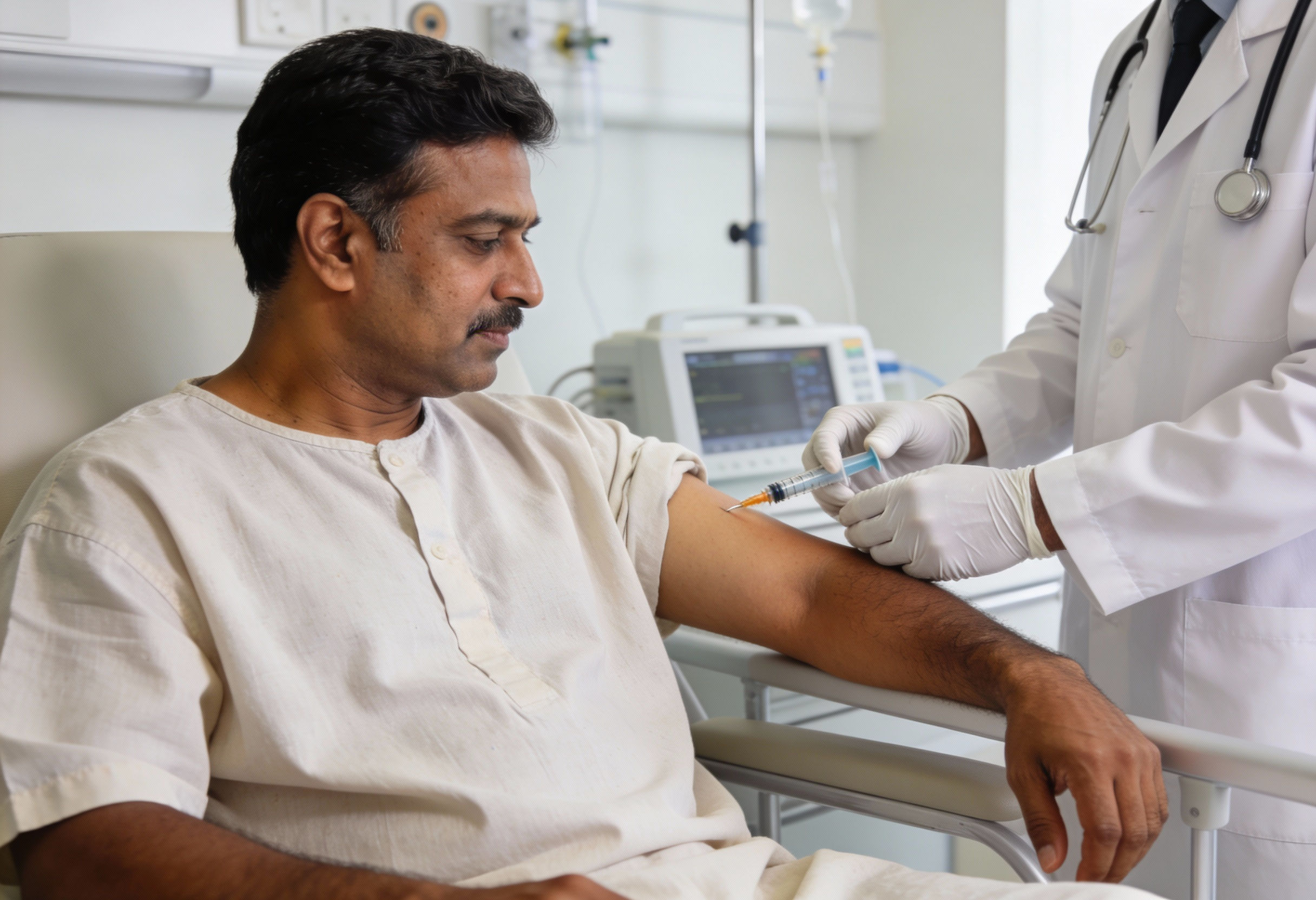
When Ashok walked into ARKA Anugraha Hospital, his frustration was obvious. The 52 year old civil engineer had been battling tennis elbow for nearly two years. His orthopedist had given him three cortisone injections over that period, and each time the pattern was the same. Within two days of the injection, his pain would vanish almost miraculously. He would feel so good that he would return to playing badminton and working on his laptop for long hours. But inevitably, within six to eight weeks, the pain would return with a vengeance, often worse than before.
By the time of his third injection, his doctor warned him that another cortisone shot was risky and might weaken his tendon further. Yet no one offered him an alternative. He was stuck in a frustrating cycle: severe pain that made work difficult, temporary relief from cortisone that felt wonderful, followed by inevitable return of pain and the nagging worry that each injection was somehow making things worse.
What Ashok needed was not another round of symptom suppression. He needed actual healing. His tendon had degenerated from years of repetitive strain and was never given the biological opportunity to repair itself properly. Each cortisone injection had provided blessed relief by shutting down inflammation, but had simultaneously blocked the very processes his body needed to rebuild the damaged tissue.
This is the fundamental choice facing millions of people with chronic pain: temporary suppression or genuine regeneration. At ARKA Anugraha Hospital, we help patients understand this critical distinction and why prolotherapy, despite taking longer to work, delivers results that actually last.

Understanding the Fundamental Difference: Suppression vs Stimulation
The divergence between steroid injections and prolotherapy represents two completely opposite philosophies of healing. Understanding this difference is essential for making informed decisions about your care.
Corticosteroid injections operate on a suppression model. They work by powerfully shutting down your immune system at the injection site. Steroids block the production of inflammatory chemicals, reduce blood vessel permeability to decrease swelling, and essentially tell your body to stop responding to the damaged tissue. This provides dramatic, rapid pain relief, often within 24 to 48 hours. The inflammation disappears, the swelling reduces, and the pain signals quiet.
The problem is that inflammation, in most chronic conditions, is not the enemy. In degenerative tendon and ligament problems, what looks like inflammation is actually your body’s stalled attempt at repair. The tissue is not inflamed in the classic sense with active infection or autoimmune attack. Instead, it is degenerated, weak, and disorganized. Modern microscopic studies of chronically painful tendons show not armies of inflammatory cells but rather chaotic, weakened collagen fibers, abnormal blood vessel growth, and dying cells.
Prolotherapy operates on a completely different principle: controlled stimulation. Rather than shutting down your body’s responses, it deliberately activates them. By injecting a concentrated dextrose solution that creates temporary cellular stress, prolotherapy restarts the healing cascade that had stalled. It brings fresh inflammatory cells to the area, not to cause damage but to clean up debris and release powerful growth factors. These growth factors wake up dormant repair cells called fibroblasts, commanding them to produce fresh, strong collagen that gradually strengthens and tightens the damaged tissue.
The key distinction is this: steroids are catabolic, meaning they break down tissue. Prolotherapy is anabolic, meaning it builds tissue. Steroids provide comfort at the expense of structure. Prolotherapy provides structure that ultimately resolves discomfort.
The Hidden Dangers of Repeated Cortisone: Why Fast Relief Comes at a Cost
While cortisone injections offer undeniable short term benefits, accumulating research reveals concerning long term consequences that patients often do not fully understand.
The most serious risk is chondrotoxicity, the toxic effect on cartilage. Multiple studies have documented that repeated steroid injections into joints accelerate cartilage loss. In one landmark trial comparing steroid injections to placebo for knee osteoarthritis, patients receiving triamcinolone showed significantly greater cartilage volume loss on MRI over two years compared to those receiving saline injections. The devastating finding was that despite this accelerated structural damage, there was no significant difference in long term pain scores between groups. The steroid was destroying cartilage without providing lasting benefit.
The mechanism is straightforward. Steroids inhibit the metabolism of chondrocytes, the cells responsible for maintaining cartilage. They reduce production of the proteins and water holding molecules that give cartilage its shock absorbing properties. With each injection, your cartilage becomes softer, more brittle, and less capable of handling the loads placed on it. You are trading temporary comfort for accelerated joint degeneration.
For tendons, the risks are even more dramatic. Load bearing tendons like the Achilles, patellar tendon, and rotator cuff are particularly vulnerable to what is called the cortisone paradox. The steroid reduces pain so effectively that patients return to activities their tendon cannot safely handle. Meanwhile, the steroid has weakened the tendon by inhibiting collagen synthesis and reducing its tensile strength. This combination of increased load on weakened tissue creates the perfect storm for catastrophic rupture.
Clinical data confirms this risk. Studies of tennis elbow treated with cortisone show higher recurrence rates and poorer long term outcomes compared to regenerative treatments. Research on rotator cuff injections documents increased rates of tendon tears following steroid use. The temporary relief masks underlying structural deterioration that eventually manifests as treatment failure or complete tendon rupture.
Beyond the local tissue effects, steroids have systemic consequences. A single joint injection can suppress your body’s hypothalamic pituitary adrenal axis for weeks, reducing your natural cortisol production and ability to respond to stress. Diabetic patients experience sharp blood sugar spikes that can persist for days. Repeated injections can contribute to osteoporosis, immune suppression, and soft tissue atrophy that creates visible dents in the skin.
Related service: Regenerative orthopedic evaluation at ARKA Anugraha Hospital assesses whether your chronic pain requires suppression or regeneration for optimal outcomes.
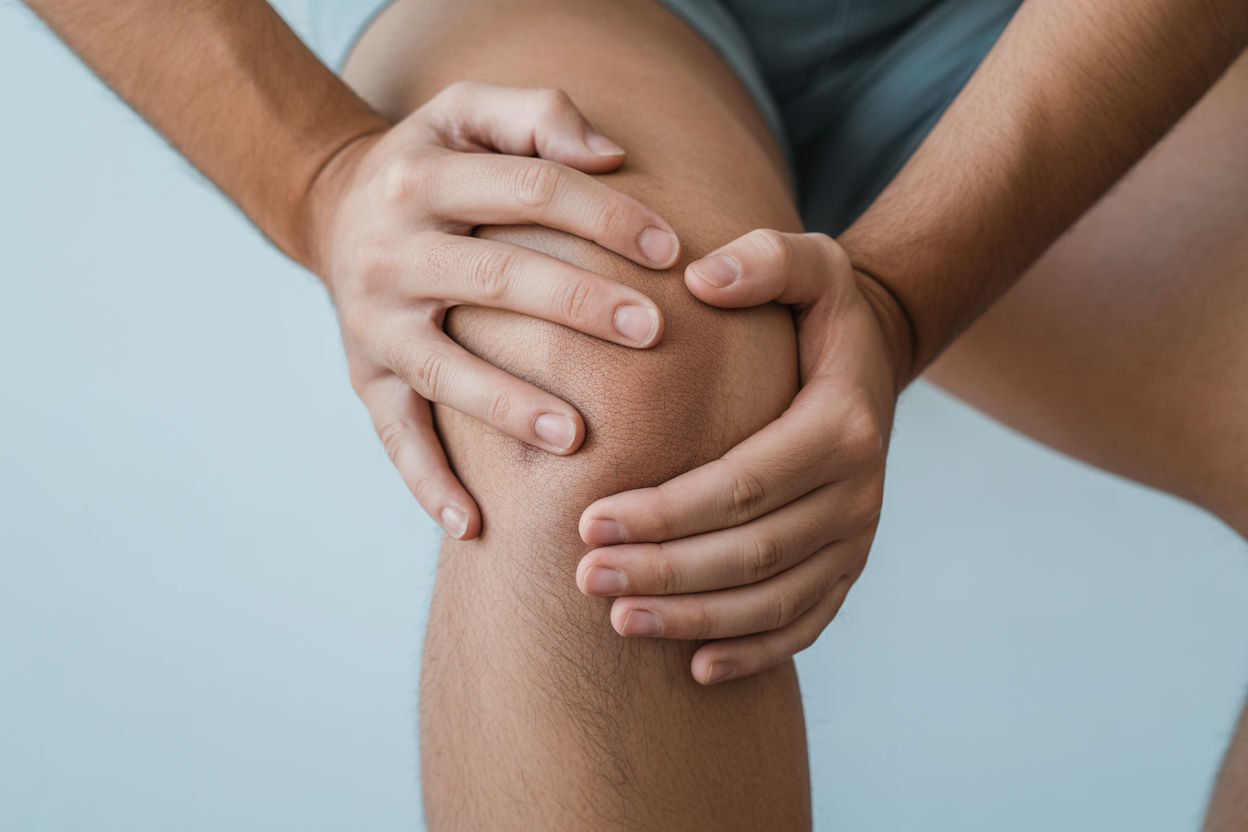
How Prolotherapy Builds Lasting Strength
Understanding how prolotherapy actually works helps explain why it takes longer but delivers permanent results. The treatment harnesses your body’s sophisticated wound healing machinery rather than suppressing it.
When concentrated dextrose solution is injected into damaged ligament or tendon attachments, it creates what is called an osmotic shock. The high sugar concentration draws water out of nearby cells, causing temporary cellular stress and triggering a small number of cells to rupture. This releases their internal contents into the surrounding tissue, which your immune system interprets as a fresh injury signal.
Within hours, your immune system mobilizes. White blood cells rush to the injection site, bringing powerful chemical messengers called growth factors. These include platelet derived growth factor that stimulates cell division, transforming growth factor beta that drives collagen production, and epidermal growth factor that promotes tissue growth. This is the inflammatory phase, and it is why you feel soreness for a few days after treatment. This soreness is not a side effect. It is evidence that healing has begun.
Over the following weeks, the proliferative phase unfolds. Activated by the growth factors, fibroblast cells multiply rapidly and begin producing fresh collagen fibers. This new collagen gradually fills in gaps, thickens weakened structures, and creates the biological scaffolding for stronger tissue. Studies using ultrasound imaging have documented measurable increases in tendon and ligament thickness following prolotherapy, physical proof of new tissue deposition.
The final remodeling phase extends for months. The initially disorganized collagen gradually matures, aligns along lines of mechanical stress, and forms strong crosslinks between fibers. As this happens, the tissue contracts and tightens. A ligament that had become loose and elongated from chronic strain regains its normal length and tension. A degenerated tendon attachment becomes thicker and stronger. This structural improvement eliminates the underlying instability or weakness causing pain.
The beauty of this approach is that once the tissue has been rebuilt and strengthened, the results are permanent. You have not just masked pain signals. You have actually restored the structural integrity that was lost.
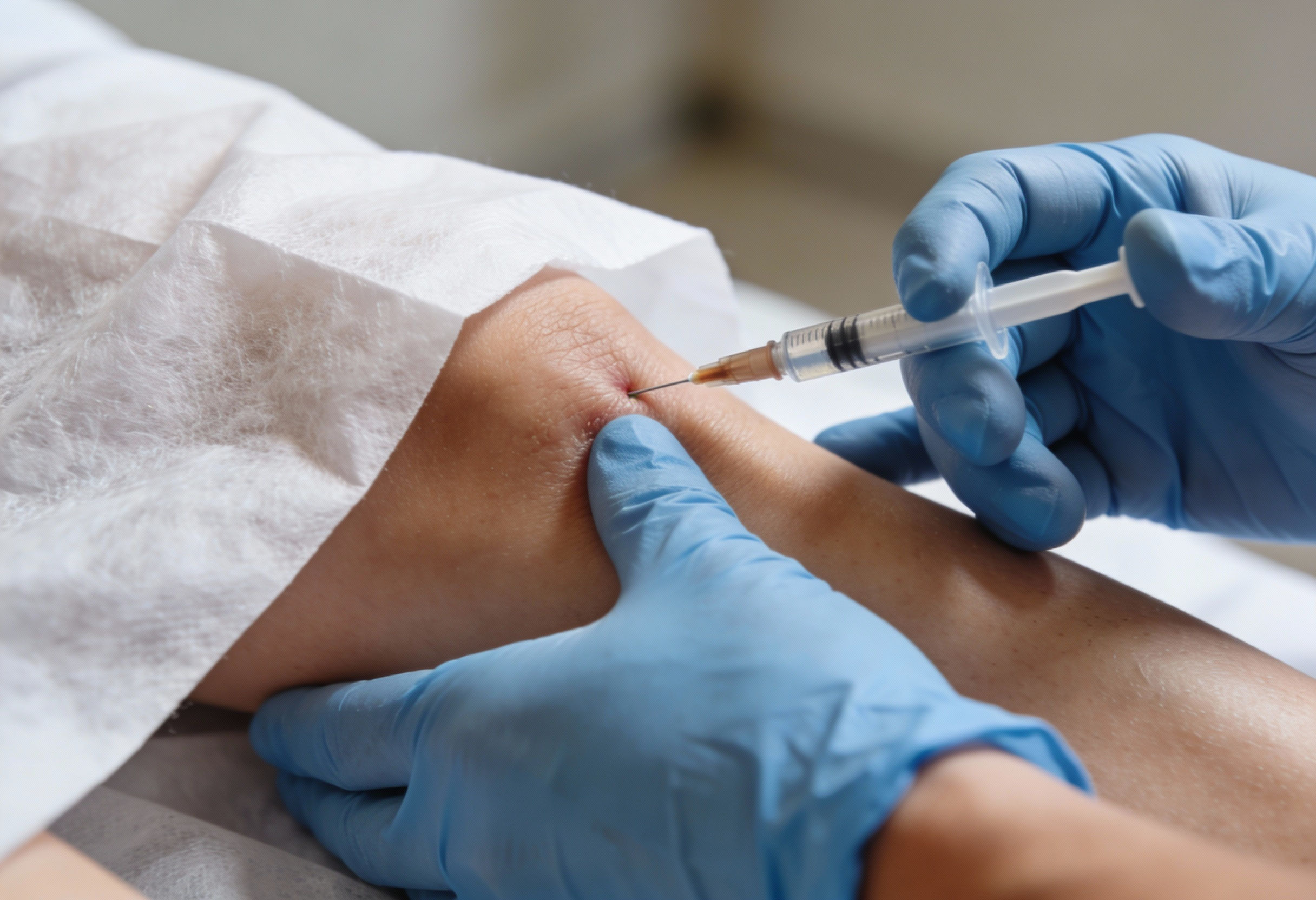
Condition by Condition: What the Research Shows
Clinical trials comparing these two approaches across different conditions reveal a consistent pattern: steroids win in the short term, prolotherapy dominates long term.
For knee osteoarthritis, systematic reviews show steroids provide superior pain relief for the first four weeks. However, their effect wanes rapidly. By three months, prolotherapy patients show significantly better pain scores, stiffness levels, and physical function compared to those who received steroids. At six and twelve month follow up, the gap widens further. Prolotherapy patients report improved walking ability, better range of motion, and reduced need for pain medications. The steroid groups often return to baseline pain or worse, requiring repeated injections that further damage cartilage.
Tennis elbow tells a similar story. Head to head trials show dramatic pain relief from cortisone at the four week mark, leading many patients and doctors to conclude it works brilliantly. But by twelve weeks, recurrence rates are high. The prolotherapy groups, which showed more gradual improvement, demonstrate sustained relief at three months, six months, and beyond. Long term follow up studies extending to two years consistently show that regenerative injection groups maintain their improvement while steroid groups cycle between temporary relief and pain recurrence.
For chronic low back pain and sacroiliac joint dysfunction, the contrast is particularly striking. Epidural steroid injections target nerve root inflammation but do nothing for the ligament laxity causing spinal instability. A randomized controlled trial comparing prolotherapy to epidural steroids found that prolotherapy resulted in significantly higher rates of meaningful pain reduction at six and twelve months. The study concluded that prolotherapy provided clinically significant and sustained improvement where steroids failed.
Shoulder problems including rotator cuff tendinopathy show perhaps the most concerning pattern with steroids. While they provide quick relief, they increase the risk of tendon tears and have higher long term failure rates compared to regenerative approaches. Prolotherapy, by strengthening tendon attachments rather than weakening them, offers a path to sustained improvement without the rupture risk.
Read next: Understanding when regenerative treatments are superior to conventional injections at ARKA Anugraha Hospital.
The Missing Diagnosis: When Imaging Misses Instability

One crucial area where prolotherapy excels is in conditions that conventional medicine often misdiagnoses or fails to recognize: ligament laxity and joint hypermobility.
Many patients with chronic widespread pain undergo extensive testing only to be told their MRI looks normal or shows only mild changes that should not cause their level of suffering. They are sometimes diagnosed with fibromyalgia or chronic pain syndrome and offered medications that provide minimal relief. What has been missed is dynamic instability that only occurs during movement.
Standard MRI scans are performed with you lying perfectly still in an unloaded position. In this artificial scenario, a joint with severe ligament laxity may look structurally fine because the bones settle into good alignment when not bearing weight. The loose ligaments that allow excessive motion during standing, walking, or twisting are functionally useless but appear structurally intact on static imaging.
The consequences of this missed diagnosis are significant. When ligaments cannot stabilize joints properly, your muscles must compensate by contracting continuously to provide the stability ligaments should offer. This leads to chronic muscle spasms, trigger points, and widespread pain that massage and muscle relaxants cannot resolve because they are treating the compensation rather than the cause.
For these patients, steroids are not just unhelpful but potentially harmful. Corticosteroids further weaken already inadequate connective tissue, potentially worsening the underlying instability. Prolotherapy, by strengthening and tightening loose ligaments, finally addresses the root cause. Clinical experience shows that many patients diagnosed with fibromyalgia actually suffer from widespread ligament laxity. When treated with prolotherapy to stabilize their joints, their so called fibromyalgia pain often resolves.
When Steroids Are Appropriate: Making the Right Clinical Choice
Despite the limitations and risks of corticosteroids, they are not without appropriate uses. Understanding when each treatment is indicated helps guide clinical decision making.
Steroids excel in acute inflammatory conditions where rapid symptom control is essential. For frozen shoulder in its acute inflammatory phase, for severe bursitis causing intense pain, or for acute gout flares in joints, steroids can provide crucial relief while other interventions take effect. They are also valuable as bridging therapy when someone needs to function for an important event like a wedding or crucial work presentation and cannot wait weeks for regenerative healing.
Steroids may also be appropriate for purely palliative care in elderly patients with multiple comorbidities where the goal is comfort rather than structural repair, or in end stage arthritis where joint replacement surgery is already planned and the injection simply buys time until surgery.
However, for chronic degenerative conditions characterized by tissue weakness rather than active inflammation, for younger active patients who want to preserve their native joints, for conditions where tissue strength matters like load bearing tendons, or when previous steroid injections have failed or provided only temporary relief, prolotherapy becomes the superior choice.
The clinical decision should consider your age and activity level, the chronicity of the condition, whether previous treatments focused on suppression have failed, your willingness to undergo a treatment series and follow activity restrictions, and your goals for long term joint health versus short term comfort.

The Treatment Journey: What to Expect with Each Approach
Understanding the practical differences between these treatments helps set realistic expectations.
With steroid injections, relief comes fast. Within 24 to 48 hours, most patients experience dramatic pain reduction. You can typically resume normal activities immediately. However, doctors often limit injections to three or four per year due to tissue damage concerns. Each injection provides a window of relief lasting anywhere from a few days to a few months, but the underlying problem persists. Many patients find themselves on a cycle of recurring pain requiring repeated injections, with diminishing returns over time.
Prolotherapy follows a different arc. The first injection may provide some immediate relief from the local anesthetic in the solution, but this fades within hours. Then comes the healing flare, a period of increased soreness lasting two to five days as your immune system activates. This can be disconcerting if you are expecting immediate relief like steroids provide.
Improvement builds gradually over weeks. The first one or two treatments often produce modest change as new collagen begins depositing. By the third or fourth treatment in a series, cumulative tissue strengthening reaches a tipping point where substantial improvement becomes apparent. Most conditions require three to six treatments spaced two to four weeks apart.
The post treatment restrictions differ significantly. With steroids, you are usually told to avoid activities for a day or two, then resume normally. With prolotherapy, you must avoid anti inflammatory medications for at least two weeks because they block the healing cascade. High impact activities should be limited for about a week after each treatment, though gentle movement is encouraged to help align the new collagen fibers.
The cost structure also differs. Individual steroid injections are inexpensive and usually covered by insurance, but the cumulative cost of repeated injections, continued medications, and potential eventual surgery adds up. Prolotherapy requires upfront investment in a treatment series and is often not covered by insurance as it is considered investigational. However, when successful, it eliminates the need for ongoing treatments and can prevent surgery, making it cost effective over time.
The Integrative Context: Supporting Your Healing
Success with prolotherapy depends not just on the injection but on creating optimal conditions for healing. At ARKA Anugraha Hospital, we address several key factors that determine outcomes.
Blood sugar control is critical. High glucose levels impair fibroblast function and stem cell activity. Diabetic patients often have compromised healing capacity, making glycemic optimization essential before and during treatment. This does not mean you cannot receive prolotherapy if you are diabetic, but managing your blood sugar significantly improves results.
Nutritional adequacy ensures your body has the raw materials for tissue building. Vitamin C is absolutely required for collagen synthesis. Protein provides the amino acids that become structural tissue. Zinc supports cell division during the proliferative phase. Without these nutritional building blocks, even perfectly administered prolotherapy cannot generate strong new tissue.
Thyroid function affects metabolism of tendon and ligament cells. Hypothyroidism slows healing and is associated with various chronic tendon problems. Screening and optimizing thyroid status can make the difference between robust and weak tissue repair.
These factors receive thorough assessment before beginning treatment, ensuring prolotherapy signals fall on fertile rather than barren ground.
Making Your Decision
If you are facing the choice between steroid injections and prolotherapy, several questions can guide your decision.
How long have you had this problem? Acute injuries respond well to conservative care including appropriate use of steroids. Chronic conditions that have persisted despite standard treatments often indicate underlying structural problems that regenerative approaches address better.
What is your age and activity level? Younger active patients have more to lose from tissue weakening effects of repeated steroids. If you have decades ahead during which your joints must function well, preserving tissue integrity matters more than quick fixes.
Have you already had multiple steroid injections with diminishing returns? This pattern suggests the underlying structural problem persists despite temporary symptom control. Continuing the same approach rarely produces different results.
What are your goals? If you need rapid relief for a specific event or situation, steroids may be appropriate. If you want lasting resolution and are willing to invest time in a healing process, prolotherapy aligns better with that goal.
Are you willing to modify activities during treatment? Prolotherapy requires avoiding anti inflammatory medications and limiting high impact activities during the healing phase. If you cannot or will not follow these restrictions, outcomes suffer.
For patients like Ashok, whose story opened this article, understanding these distinctions transformed his treatment. After completing a series of four prolotherapy treatments over three months, his tennis elbow resolved completely. The tenderness at the elbow attachment disappeared, his grip strength returned, and he resumed badminton without recurrence. Two years later, he remains pain free, having truly healed rather than just temporarily suppressed his symptoms.
Your chronic pain does not have to mean choosing between temporary relief that weakens your tissues and learning to live with limitations. When the underlying problem is structural degeneration rather than acute inflammation, prolotherapy offers a path to genuine regeneration that cortisone can never provide.
FREQUENTLY ASKED QUESTIONS
- How quickly will I feel better with prolotherapy compared to cortisone injections? Cortisone provides dramatic relief within 24 to 48 hours by suppressing inflammation, while prolotherapy works gradually over weeks to months as new tissue forms. You may experience a healing flare with increased soreness for two to five days after prolotherapy before improvement begins. By the third or fourth treatment in a series, cumulative tissue strengthening produces substantial pain reduction that continues improving long term.
- Why do my cortisone injections work well initially but then stop being effective? Cortisone suppresses pain signals without addressing the underlying tissue weakness or degeneration causing your problem. The structural issue persists and often worsens because steroids inhibit healing and can accelerate tissue breakdown. Each injection provides temporary relief, but once the suppressive effect wears off, pain returns because nothing has actually healed. This creates the cycle of diminishing returns many patients experience.
- Can cortisone injections actually damage my joints or tendons permanently? Yes, repeated steroid injections can cause lasting damage. Research documents that steroids accelerate cartilage loss in arthritis, weaken tendons making them prone to rupture, thin the skin, suppress bone formation, and inhibit the cells responsible for tissue maintenance. While one carefully timed injection is relatively low risk, repeated injections create cumulative damage that may be irreversible.
- Is prolotherapy painful and what is this healing flare people mention? The injection involves brief discomfort similar to any injection. Afterward, you experience a healing flare where the treated area feels sore, stiff, or full for two to five days. This temporary increase in discomfort is actually positive evidence that your immune system has activated and healing has begun. It is not tissue damage but rather the controlled inflammation bringing repair cells to the area.
- Why must I avoid ibuprofen and anti inflammatory medications during prolotherapy treatment? NSAIDs like ibuprofen work by blocking inflammatory pathways. Prolotherapy depends on these exact pathways to trigger healing. Taking anti inflammatory medications during treatment essentially neutralizes the therapy by preventing the controlled inflammation that recruits growth factors and repair cells. Simple pain relievers like paracetamol that do not block inflammation are acceptable alternatives.
- Will my insurance cover prolotherapy or only steroid injections? Most insurance plans readily cover steroid injections as they are considered standard care. Many plans classify prolotherapy as investigational or alternative medicine and deny coverage despite decades of clinical use and research. However, when considering the cost of repeated injections, ongoing medications, lost productivity, and potential surgery that prolotherapy may prevent, many patients find it cost effective despite out of pocket expense.
- Can I get prolotherapy if I already had several cortisone shots that did not work? Yes, failed steroid injections are actually a strong indication for prolotherapy. The temporary relief from cortisone followed by pain recurrence typically means you have underlying structural weakness or degeneration that suppression cannot fix. It is generally recommended to wait four to six weeks after your last steroid injection before starting prolotherapy to allow the suppressive effects to wear off.
- For which conditions is prolotherapy clearly better than cortisone long term? Prolotherapy demonstrates superior long term outcomes for chronic degenerative conditions including tendinosis like tennis elbow, ligament laxity causing joint instability, chronic back pain from spinal ligament weakness, knee osteoarthritis where stability matters, rotator cuff tendinopathy, and any condition where previous steroids provided only temporary relief. Cortisone is more appropriate for acute inflammatory flares, severe bursitis, or purely palliative care when structural repair is not the goal.
Explore Arka Recipes
Discover recipes that blend taste with health, crafted by our experts for your well-being.
Arka Diagnostics
Discover groundbreaking diagnostic services exclusive to India, now available at Arka Health, Bangalore