
Prolotherapy and the Regeneration of Chronic Tendon and Ligament Injuries: A Comprehensive Clinical Perspective

- Published on: 05/Feb/2026
- Posted By: Arka Health
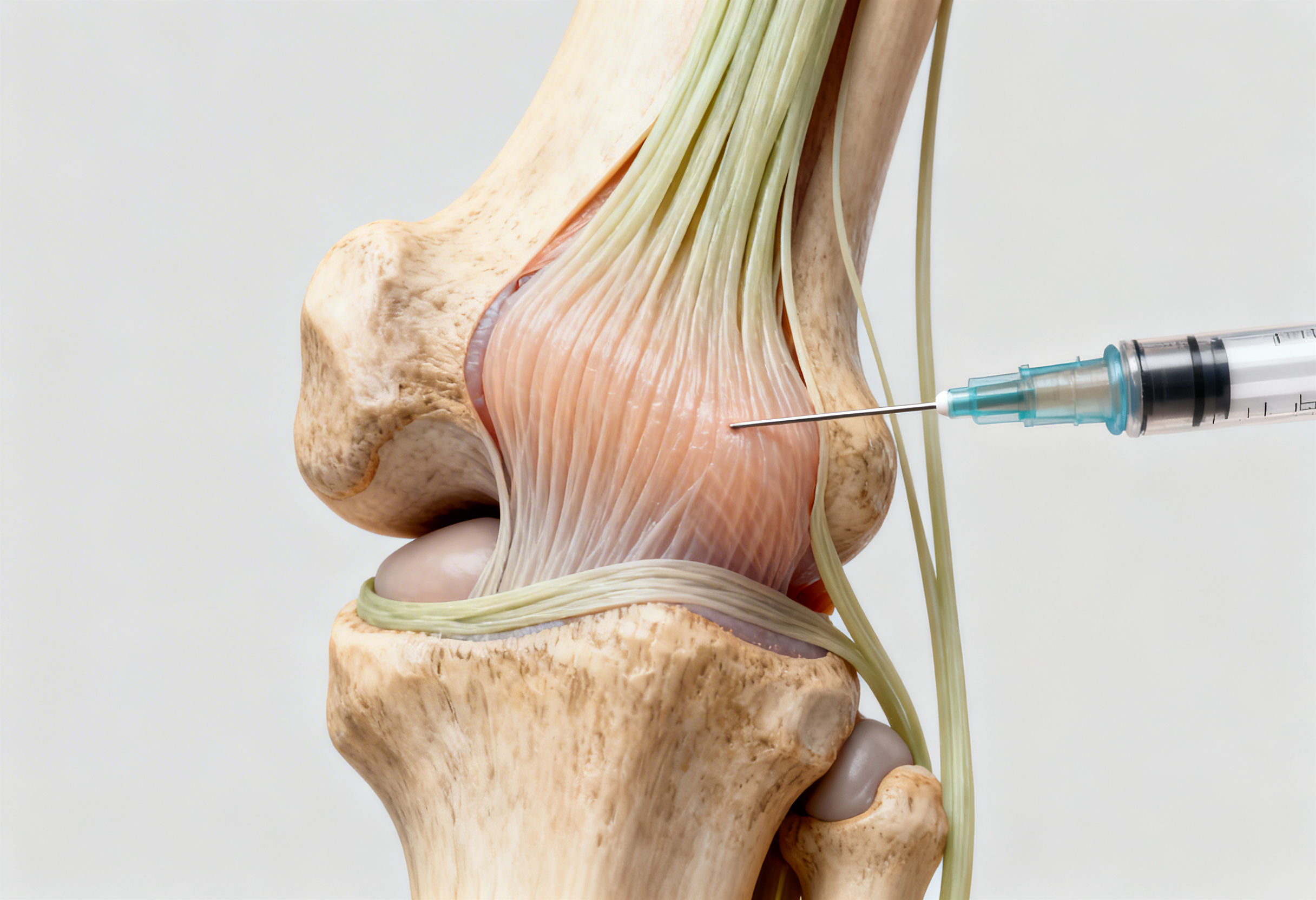
Chronic musculoskeletal pain arising from tendon and ligament injuries remains one of the most complex challenges in modern orthopedic and sports medicine practice. Acute injuries often follow a structured healing trajectory. However, in a significant subset of patients, the process stalls. What remains is not active inflammation, but structural degeneration. This biological distinction is critical.
At ARKA Anugraha Hospital, prolotherapy for tendon injuries is approached not as a symptomatic intervention, but as a regenerative strategy aimed at restoring connective tissue integrity. By reactivating the body’s intrinsic repair mechanisms, prolotherapy provides a non-surgical tendon healing pathway grounded in cellular physiology rather than pharmacologic suppression.
Understanding the Biology of Tendons and Ligaments
Tendons and ligaments are dense fibrous connective tissues engineered for tensile load transmission and joint stabilization.
- Tendons connect muscle to bone.
- Ligaments connect bone to bone and maintain joint congruency.
- Both are primarily composed of Type I collagen, organized in parallel fibrillar bundles.
- The extracellular matrix contains water, proteoglycans, elastin, and fibroblasts (tenocytes).
Why Healing Is Slow
A defining characteristic of these tissues is hypovascularity. Unlike muscle, tendons and ligaments receive minimal blood supply. Nutrient delivery occurs through diffusion from surrounding synovial fluid or limited vascular channels at the enthesis.
This limited vascularity explains:
- Slow metabolic turnover
- Reduced cellular recruitment after injury
- High recurrence rates
- Propensity for chronic degeneration
When repetitive microtrauma exceeds repair capacity, the tissue transitions from inflammation to degenerative tendinopathy.
The Failed Healing Theory
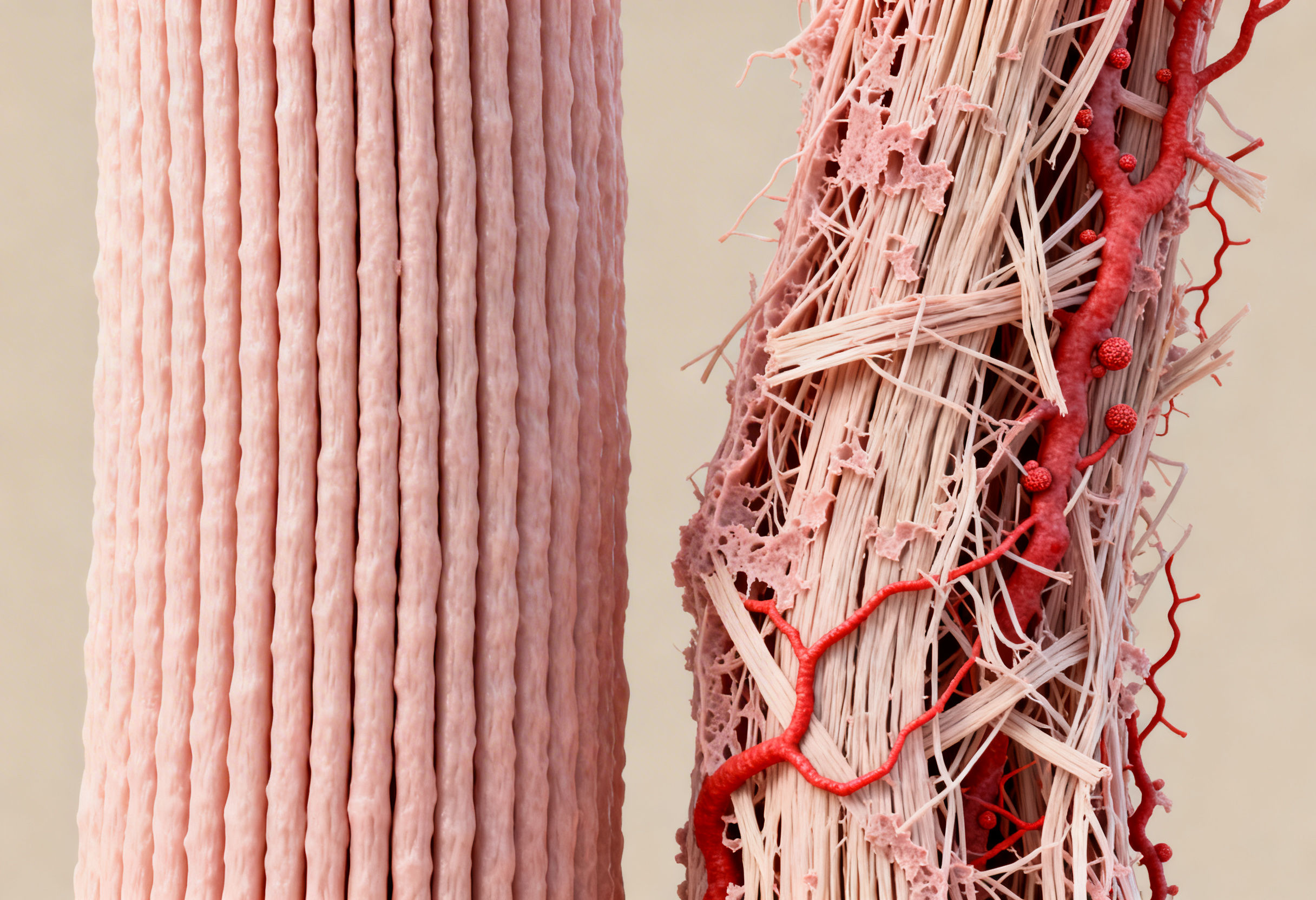
The historical label “tendinitis” implied inflammation. Contemporary histological research demonstrates that chronic tendon pain is largely degenerative.
Hallmarks of Chronic Tendinopathy
- Disorganized collagen architecture
- Increased Type III collagen deposition
- Neovascularization with sensory nerve ingrowth
- Mucoid degeneration
- Reduced mechanical strength
The process becomes arrested between the inflammatory and remodeling phases. This is known as the failed healing response.
Traditional anti-inflammatory treatments suppress symptoms but do not restore collagen organization. In some cases, they further weaken the tissue matrix.
Mechanism of Prolotherapy in Tendon Regeneration
Prolotherapy, or proliferation therapy, reinitiates the healing cascade through controlled chemomodulation.
Step 1: Hypertonic Dextrose Injection
A hypertonic dextrose solution (typically 12.5%–25%) is injected at ligament or tendon insertion sites.
Step 2: Osmotic Gradient and Cellular Activation
The hyperosmolar solution causes localized cellular dehydration and mild cell lysis. This creates:
- Release of intracellular signaling molecules
- Activation of innate immune pathways
- Recruitment of macrophages and fibroblasts
Step 3: Growth Factor Cascade
Prolotherapy stimulates:
- Platelet-derived growth factor (PDGF)
- Transforming growth factor beta (TGF-β)
- Insulin-like growth factor 1 (IGF-1)
These factors activate fibroblast proliferation and extracellular matrix synthesis.
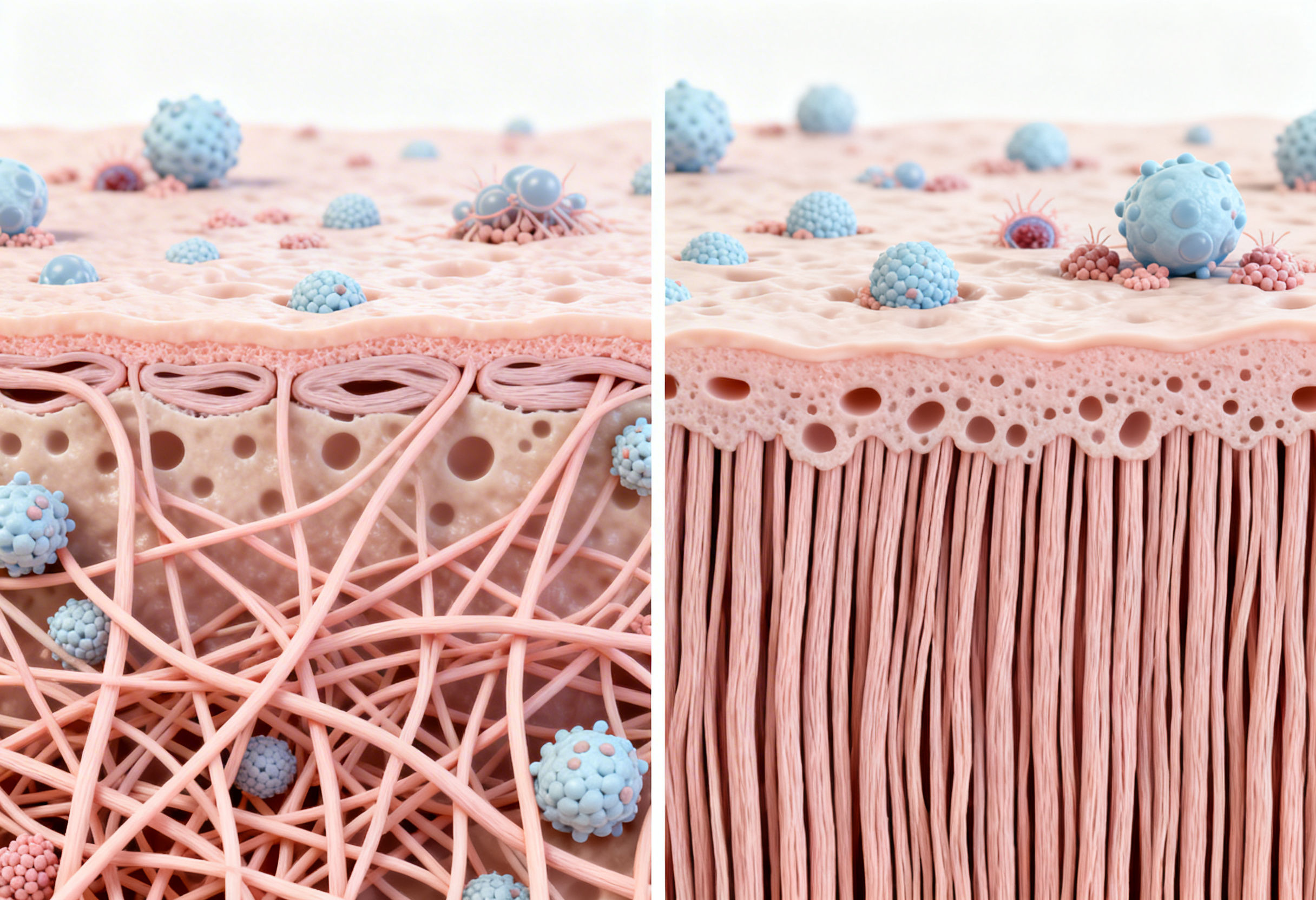
Step 4: Collagen Remodeling
- Initial Type III collagen deposition
- Gradual transition to stronger Type I collagen
- Fiber alignment along lines of stress
- End-to-end contraction and tissue tightening
The result is improved joint stability and load tolerance.
Prolotherapy vs Conventional Care
Corticosteroid Injections
Short-term relief: 2–6 weeks
Mechanism: Anti-inflammatory suppression
Long-term concerns:
- Collagen synthesis inhibition
- Tendon thinning
- Increased rupture risk
- Potential mesenchymal stem cell toxicity
NSAIDs
Mechanism: Prostaglandin inhibition
Chronic use may impair:
- Early inflammatory signaling
- Fibroblast recruitment
- Tissue remodeling
Prolotherapy
- Anabolic effect
- Structural reinforcement
- Long-term stabilization
- Addresses degenerative pathology
This distinction between catabolic and anabolic therapies defines modern regenerative orthopedics.
Systemic Influences on Tendon Healing
At ARKA Anugraha Hospital, prolotherapy is integrated with metabolic optimization.
1. Insulin Resistance and Tendon Degeneration
Patients with metabolic syndrome or Type 2 diabetes demonstrate:
- Advanced glycation end-products (AGEs)
- Collagen cross-link stiffness
- Reduced elasticity
- Increased rupture risk
Insulin resistance also creates a chronic inflammatory milieu that impairs mechanotransduction.
2. Hormonal Regulation
- Thyroid hormone supports collagen turnover
- Estrogen promotes Type I collagen synthesis
- Growth hormone supports matrix regeneration
Hormonal dysregulation may reduce prolotherapy responsiveness.
3. The Gut-Tendon Axis
Emerging research identifies the microbiome’s influence on musculoskeletal inflammation.
Intestinal dysbiosis may lead to:
- Increased intestinal permeability
- Lipopolysaccharide (LPS) translocation
- Systemic low-grade inflammation
Optimizing gut health can improve regenerative outcomes.
Nutritional Architecture of Collagen Repair
Prolotherapy initiates healing. Nutrition supplies the raw materials.
Essential Macronutrients
- 1.2–2.0 g/kg protein intake during recovery
- Glycine
- Proline
- Lysine
Key Micronutrients
- Vitamin C – collagen cross-linking cofactor
- Zinc – cellular proliferation
- Copper & Manganese – connective tissue stabilization
- Magnesium – neuromuscular modulation
- Vitamin D – musculoskeletal integrity
- Omega-3 fatty acids – inflammatory modulation
Without these substrates, structural regeneration is incomplete.
Clinical Applications of Prolotherapy
Knee Ligament Laxity (ACL, MCL)
Studies demonstrate measurable reduction in anterior displacement using KT1000 arthrometer testing following prolotherapy for ligament laxity.
Stabilization reduces shear stress and secondary osteoarthritis progression.
Lateral Epicondylitis (Tennis Elbow)
Chronic extensor tendinosis responds favorably to prolotherapy due to repetitive load-related microdegeneration.
Systematic reviews suggest longer durability compared to corticosteroids.
Achilles Tendinopathy
When combined with eccentric loading protocols, prolotherapy enhances fibroblast recruitment in hypovascular regions.
Patellar Tendinopathy
Useful in athletes with chronic jumper’s knee resistance to conservative rehabilitation.
Diagnostic Approach at ARKA Anugraha Hospital
A comprehensive assessment includes:
- Functional movement screening
- Ultrasound or MRI imaging
- Metabolic panel evaluation
- Hormonal screening (when indicated)
- Inflammatory marker review
Treatment targets both structural instability and systemic contributors.
Procedure Overview
The Hackett-Hemwall technique involves:
- Multiple injection points at entheses
- Sterile protocol adherence
- Ultrasound guidance when needed
- Local anesthetic for comfort
Post-Procedure Expectations
- Mild inflammatory flare (2–7 days)
- Avoid NSAIDs
- Gradual return to loading
- 3–6 sessions spaced 4–6 weeks apart
Healing is cumulative.
Why Chronic Injuries Are Frequently Mismanaged
- Treating degeneration as inflammation
- Ignoring ligamentous instability
- Over-reliance on pain suppression
- Failure to evaluate metabolic dysfunction
A localized injection without systemic optimization limits success.
Integrative Support Strategies
Sleep
Growth hormone release during deep sleep drives collagen synthesis.
Stress Reduction
Chronic cortisol elevation impairs tissue repair.
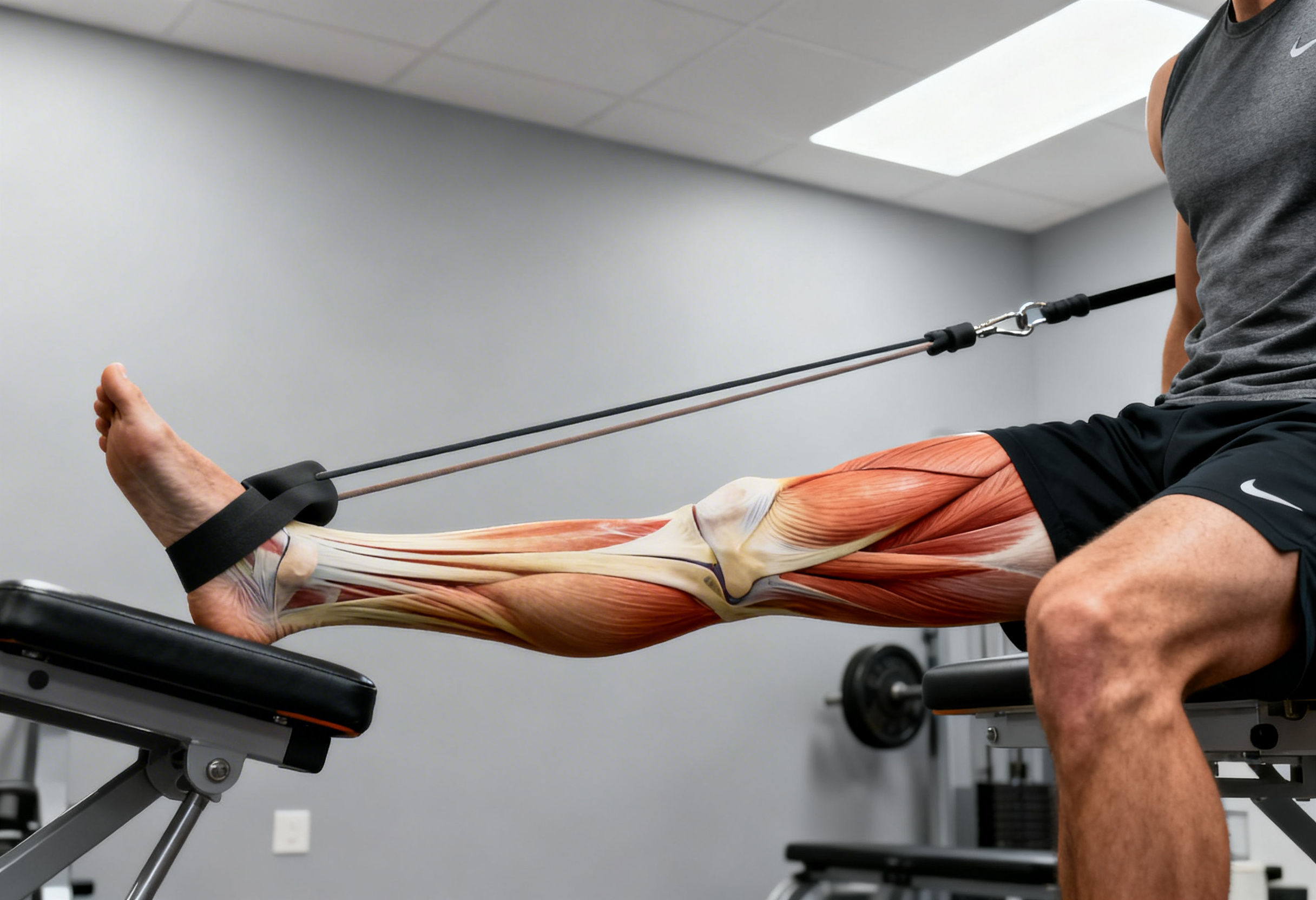
Mechanotherapy
Eccentric and heavy slow resistance loading:
- Aligns collagen fibers
- Enhances tensile strength
- Improves load adaptation
Prolotherapy provides stabilization. Rehabilitation provides structural organization.
The Future of Regenerative Orthopedics
Regenerative medicine represents a biological maturation of orthopedic practice.
Prolotherapy:
- Avoids surgical morbidity
- Avoids chronic pharmacologic dependency
- Targets failed healing
- Reinforces structural stability
At ARKA Anugraha Hospital, prolotherapy for tendon injuries is delivered within an integrative care framework that aligns structural intervention with metabolic optimization.
Frequently Asked Questions
- Is prolotherapy widely accepted?
It has been practiced since the 1950s and is increasingly supported by contemporary evidence in chronic tendinopathy management. - How is it different from cortisone?
Cortisone suppresses inflammation temporarily. Prolotherapy stimulates tissue regeneration. - Does dextrose raise blood sugar?
The localized injection volume is small and does not significantly impact systemic glucose levels. - When can I return to sports?
Light activity resumes within days. High-load sports typically resume after 5–7 days, with progressive loading thereafter. - Why avoid NSAIDs?
They block the inflammatory cascade required for regenerative activation. - Is it effective for partial tears?
Yes. Prolotherapy stimulates collagen bridging and structural reinforcement. - How painful is the procedure?
Mild to moderate discomfort during injection. Temporary post-procedure soreness is expected. - What if I don’t improve after one session?
Healing is cumulative. Most patients require multiple sessions.
Explore Arka Recipes
Discover recipes that blend taste with health, crafted by our experts for your well-being.
Arka Diagnostics
Discover groundbreaking diagnostic services exclusive to India, now available at Arka Health, Bangalore