
Prolotherapy for Plantar Fasciitis: Non-Surgical Heel Pain Relief

- Published on: 03/Feb/2026
- Posted By: Arka Health
Introduction: The Burden of Chronic Heel Pain and Plantar Fasciitis
Heel pain, particularly plantar fasciitis, is a common yet often debilitating condition that affects millions of people worldwide. It is the leading cause of heel pain, making it a frequent culprit in musculoskeletal pain. While most people experience heel pain at some point, for some, it becomes chronic, severely affecting daily activities, work performance, and overall quality of life. The condition is especially prevalent in active individuals, including athletes, workers who stand for long periods, and those with poor foot mechanics.
In recent years, prolotherapy for plantar fasciitis has emerged as a highly effective non-surgical treatment for this persistent condition. Unlike traditional treatments that primarily aim to mask symptoms, prolotherapy works by addressing the underlying cause of the pain—structural degeneration in the fascia. At ARKA Anugraha Hospital, we offer prolotherapy for plantar fasciitis as part of a comprehensive, regenerative approach that promotes long-term foot pain relief.
Understanding Plantar Fasciitis: Anatomy and Mechanisms of Heel Pain
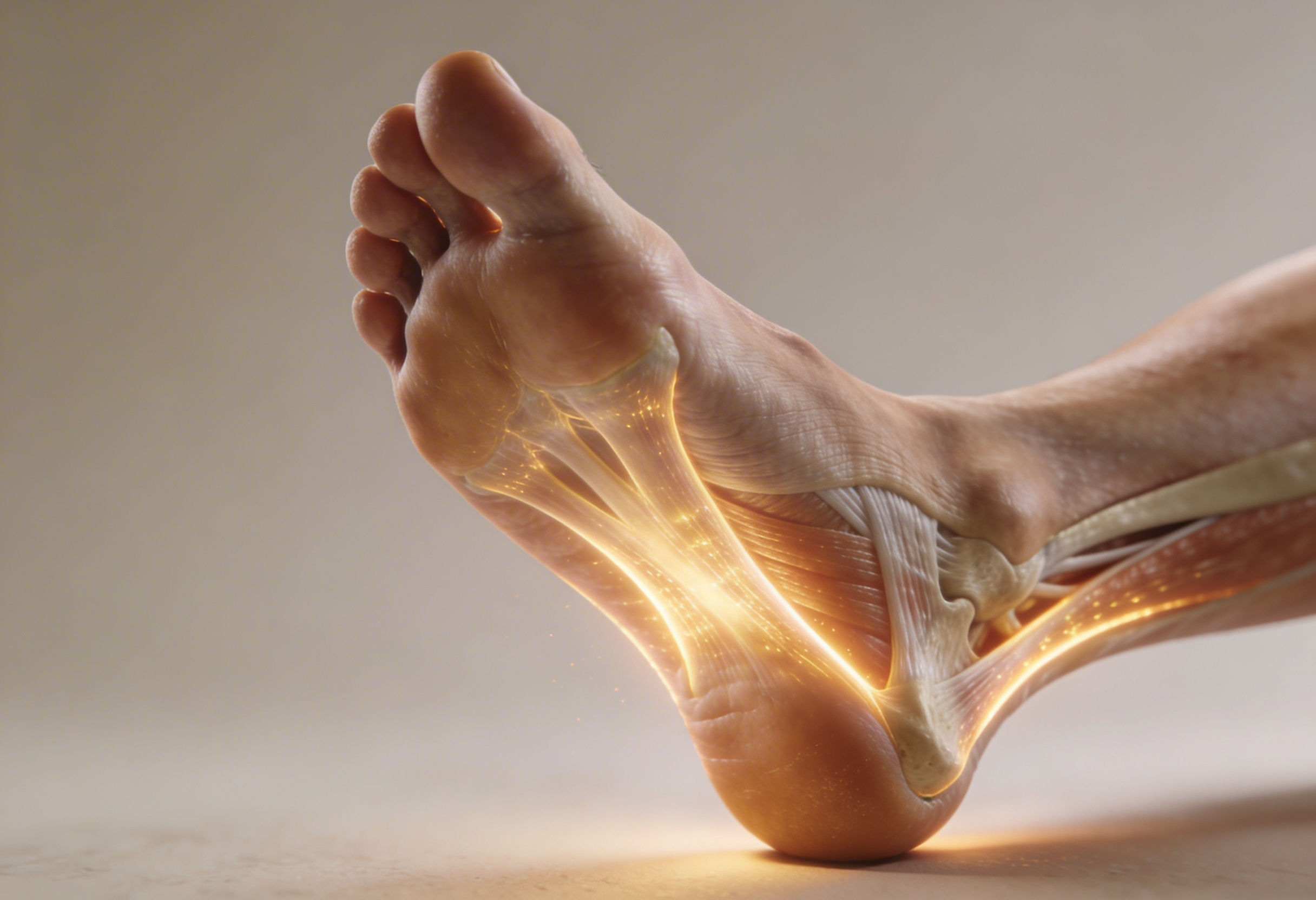
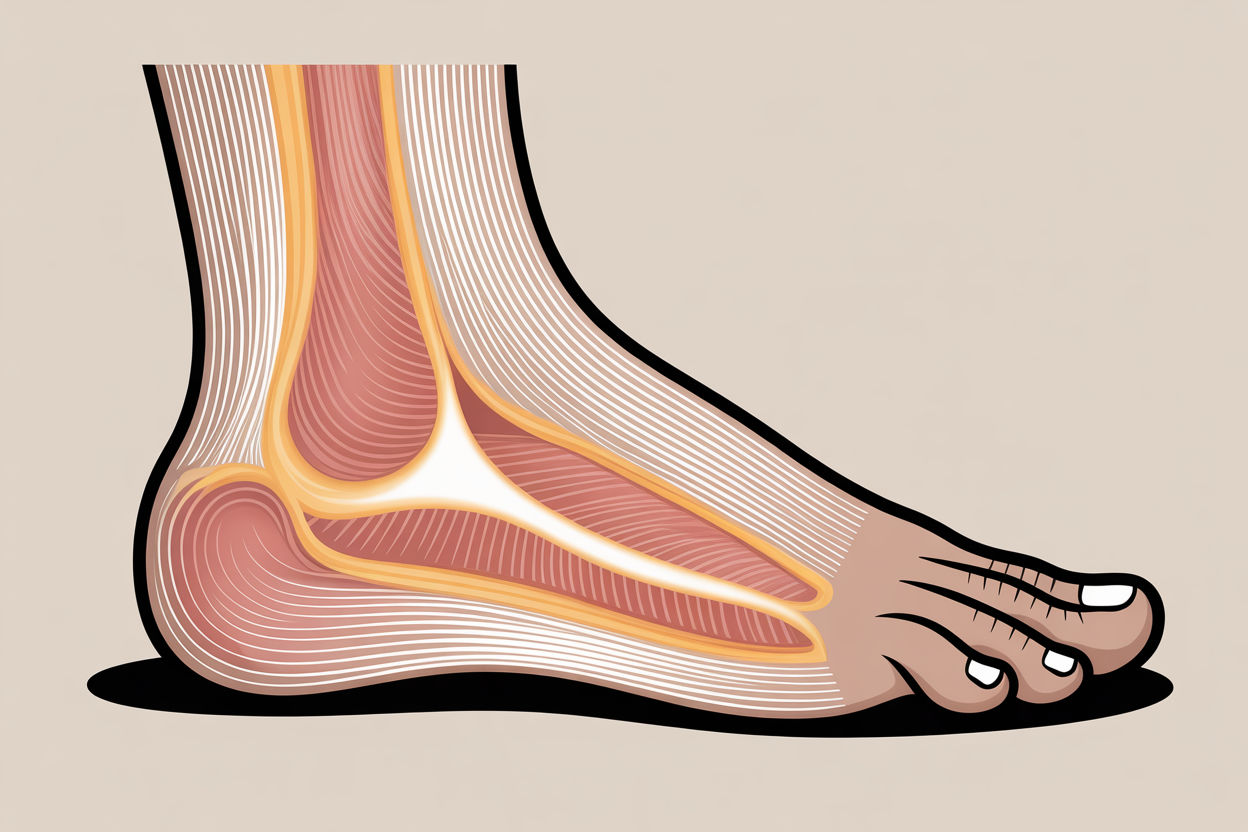
The plantar fascia is a thick, fibrous band of tissue that runs along the bottom of the foot, connecting the heel bone (calcaneus) to the toes. It plays a crucial role in supporting the arch of the foot and facilitating movement during walking and running.
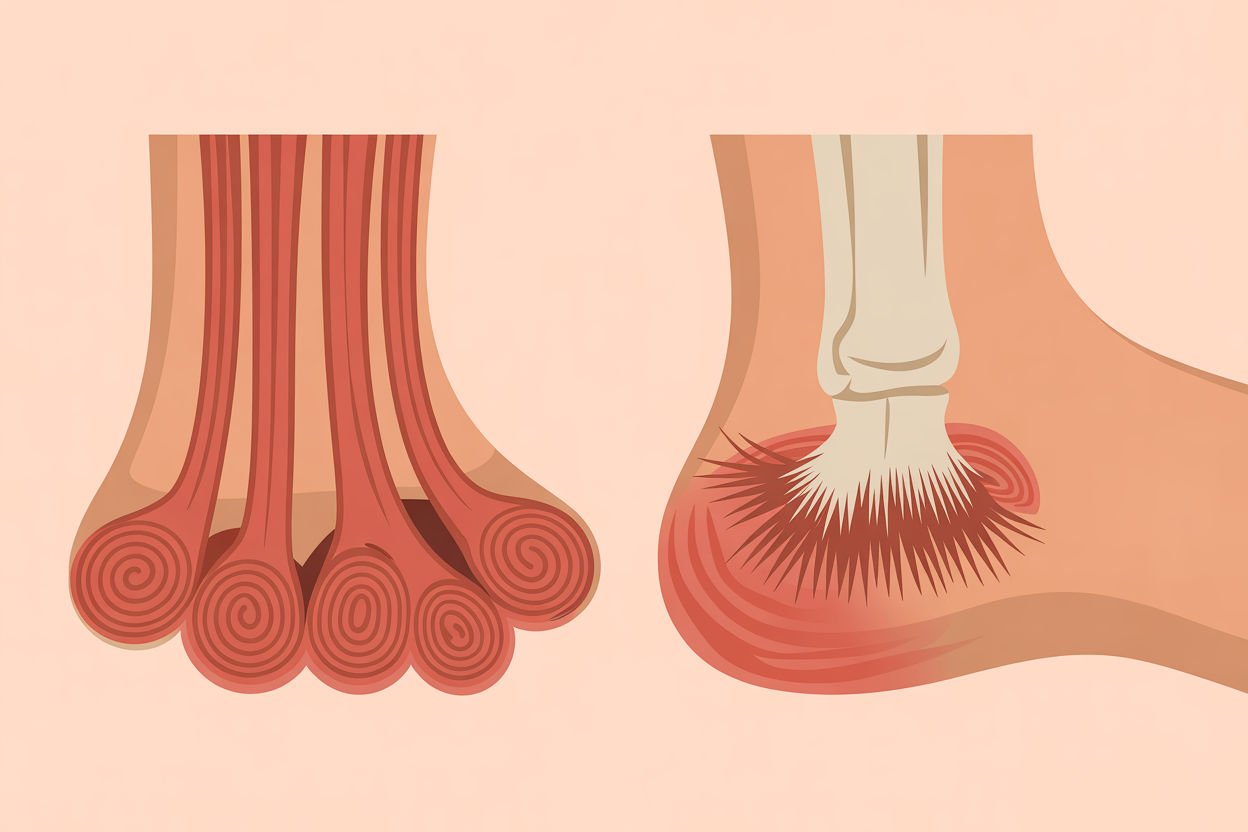
Plantar fasciitis occurs when this tissue becomes inflamed, typically due to repetitive strain or micro-tears. However, in many cases, the condition progresses to plantar fasciosis, a degenerative form of the disease that involves collagen breakdown and disorganization, rather than active inflammation. This is why traditional anti-inflammatory treatments often fail to provide lasting relief.
The condition usually begins with:
- Micro-tears in the fascia
- Collagen disarray and weakening
- Failed healing response, leading to chronic pain and dysfunction

How Prolotherapy Works for Plantar Fasciitis: The Regenerative Approach
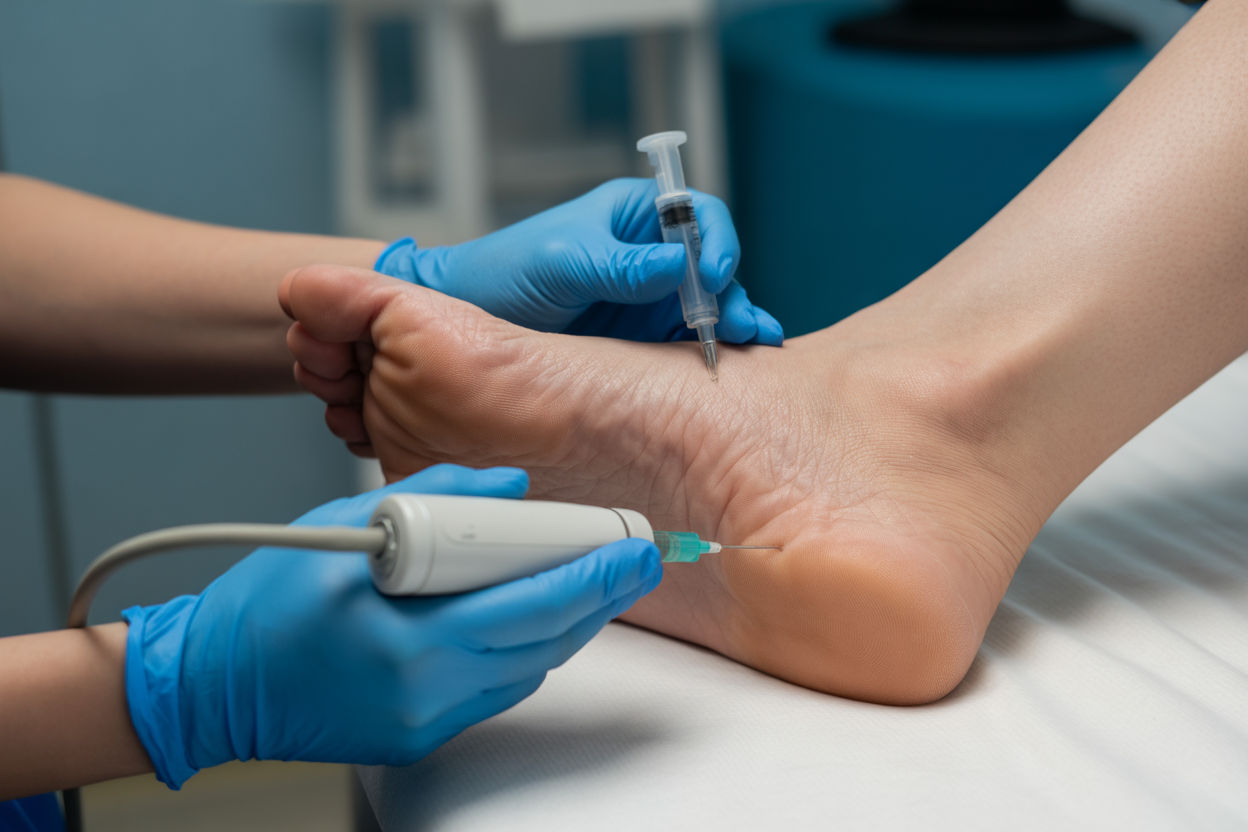
Prolotherapy is a form of regenerative medicine that stimulates the body’s healing process by triggering controlled irritation in damaged tissues. In the case of plantar fasciitis, prolotherapy involves injecting a hypertonic dextrose solution into the affected fascia. This solution creates a mild osmotic gradient, drawing water out of the tissue and causing a controlled micro-injury that activates the body’s natural healing mechanisms.
Mechanisms of Action:
- Osmotic Storm: The dextrose solution draws fluid from the cells, inducing a mild injury to the tissue. This process stimulates the immune system to release cytokines and growth factors such as Platelet-Derived Growth Factor (PDGF) and Transforming Growth Factor-beta (TGF-β). These molecules signal fibroblasts to begin synthesizing new collagen fibers.
- Collagen Synthesis: The body begins to lay down Type III collagen as part of the initial repair. Over time, this immature collagen is converted into Type I collagen, which is stronger and more resilient, restoring the structural integrity of the plantar fascia.
- Tissue Remodeling: The newly formed collagen fibers are aligned according to mechanical stress during the remodeling phase, strengthening the fascia and reducing the risk of re-injury.
This regenerative approach addresses both the structural damage to the fascia and the degenerative process at its core, offering long-lasting results for patients suffering from chronic heel pain.
The Role of the Posterior Kinetic Chain in Heel Pain
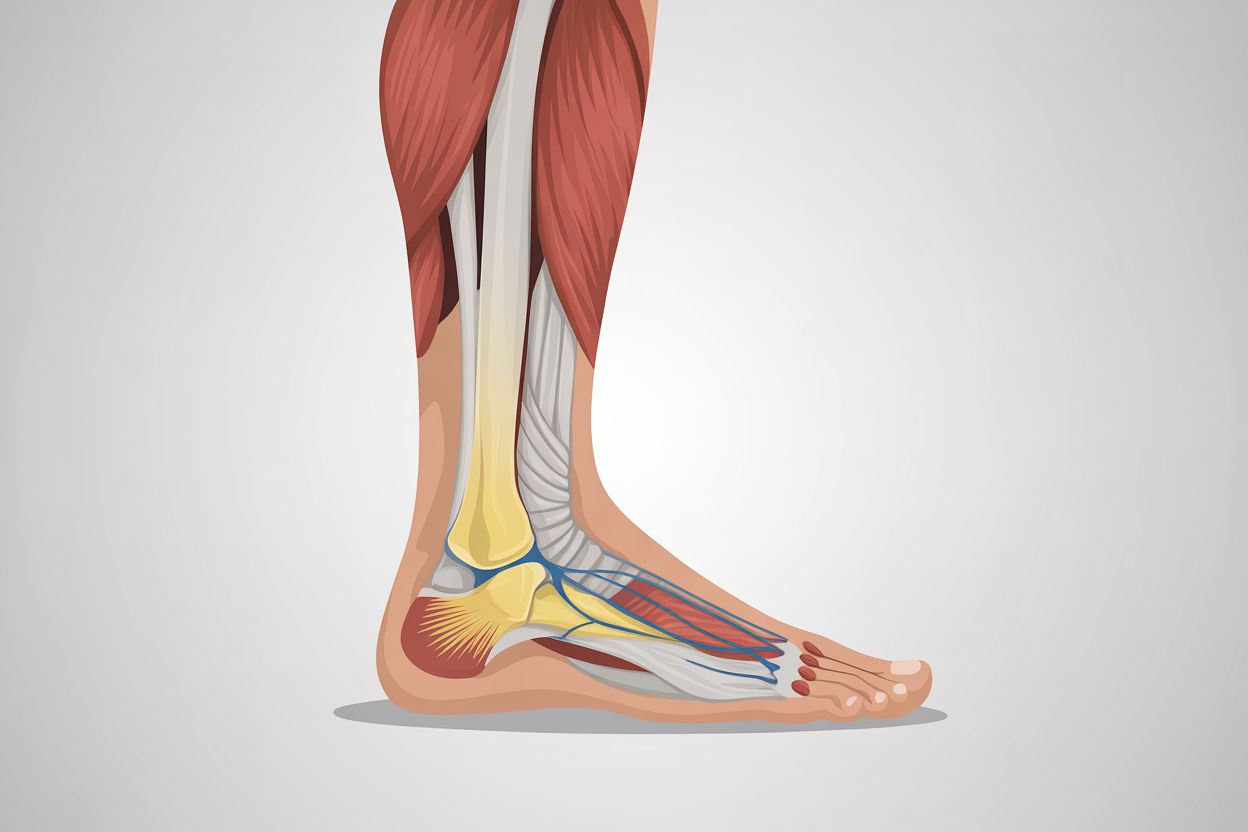
Heel pain is not always limited to the plantar fascia alone. The posterior kinetic chain—which includes the calf muscles (gastrocnemius and soleus), Achilles tendon, and hamstrings plays a significant role in plantar fasciitis. Tightness or dysfunction in these areas can exacerbate the strain on the plantar fascia, worsening pain and prolonging recovery.
For example:
- Tight calves limit ankle dorsiflexion, increasing strain on the fascia.
- Achilles tendinopathy often co-exists with plantar fasciosis, contributing to increased tension on the fascia.
- Weak intrinsic foot muscles lead to improper distribution of load, putting excessive pressure on the plantar fascia.
Addressing these underlying biomechanical factors is essential for long-term foot pain relief. Prolotherapy works by stimulating repair in the fascia while also promoting better biomechanical alignment through targeted rehabilitation.
Why Traditional Treatments Fail to Address the Root Cause of Heel Pain
Traditional treatments, such as NSAIDs and corticosteroid injections, provide temporary relief but fail to address the underlying structural issues that cause plantar fasciitis. Steroids may reduce inflammation in the short term, but they weaken the fascia over time and increase the risk of tendon rupture and fat pad atrophy. These treatments do not support tissue regeneration, which is crucial for long-term recovery.
Prolotherapy, on the other hand, stimulates the healing cascade by promoting collagen synthesis and remodeling. This approach helps restore the structural integrity of the fascia, reducing pain and preventing re-injury.
Prolotherapy vs. Other Treatment Modalities for Plantar Fasciitis
When comparing prolotherapy with other common treatment options for plantar fasciitis, the regenerative nature of prolotherapy stands out:
Treatment Modality | Mechanism | Long-term Impact | Safety Profile |
Corticosteroid Injections | Suppress inflammation | Weakens tissue, risk of rupture | Moderate, short-term relief |
NSAIDs | Block inflammatory signals | May slow healing, inhibit collagen synthesis | Limited, only symptom management |
Prolotherapy | Stimulates tissue repair | Strengthens and regenerates fascia | High, non-invasive, no surgery |
Physical Therapy | Mechanical loading and rehabilitation | Essential for proper collagen alignment | Safe, must be combined with other treatments |
Prolotherapy offers a non-invasive, safe, and effective alternative to steroid injections, particularly for patients who have not responded to conventional treatments.
The Recovery Process: What to Expect After Prolotherapy for Plantar Fasciitis
While prolotherapy is a non-surgical treatment, it requires time for full recovery. Most patients will experience:
- Days 1–3: Mild soreness and stiffness at the injection site, a sign that the healing process has begun.
- Weeks 1–3: Gradual reduction in pain and tissue thickening as collagen synthesis starts.
- Weeks 4–6: Noticeable improvement in strength, flexibility, and overall foot function.
- 3–6 Months: Full recovery, with a significant return to normal activities, including running, walking, and other weight-bearing activities.
Is Prolotherapy Right for You?
If you’ve been suffering from chronic heel pain and have not found relief through traditional treatments, prolotherapy for plantar fasciitis could be the solution you need. It addresses the root cause of your pain by stimulating collagen production and structural repair, ultimately providing lasting relief.
At ARKA Anugraha Hospital, we combine prolotherapy with precision diagnostics, metabolic health optimization, and targeted rehabilitation to ensure the best possible outcomes for our patients. If you’re ready to experience long-term relief from heel pain, contact us today to schedule your consultation.
FREQUENTLY ASKED QUESTIONS
- How long does it take to see results with prolotherapy for plantar fasciitis?
Most patients begin to notice improvements after 2-3 sessions, with significant results occurring between 8-12 weeks. - Is prolotherapy for plantar fasciitis safe?
Yes, prolotherapy is a safe, non-invasive procedure with minimal risks. The injection is guided using ultrasound for precision. - Can prolotherapy replace surgery for plantar fasciitis?
Yes, prolotherapy can be an effective alternative to surgery for patients with chronic plantar fasciitis who have not responded to conservative treatments.
If you’re tired of dealing with chronic heel pain and want to explore a non-surgical solution, prolotherapy for plantar fasciitis may be right for you. Contact ARKA Anugraha Hospital today to learn more and schedule your consultation with our expert team.
Explore Arka Recipes
Discover recipes that blend taste with health, crafted by our experts for your well-being.
Arka Diagnostics
Discover groundbreaking diagnostic services exclusive to India, now available at Arka Health, Bangalore