
Diet for Hormone Balance: A 4-Week PCOS Meal Framework

Published on: 5/Nov/2025
Posted By: Arka Health
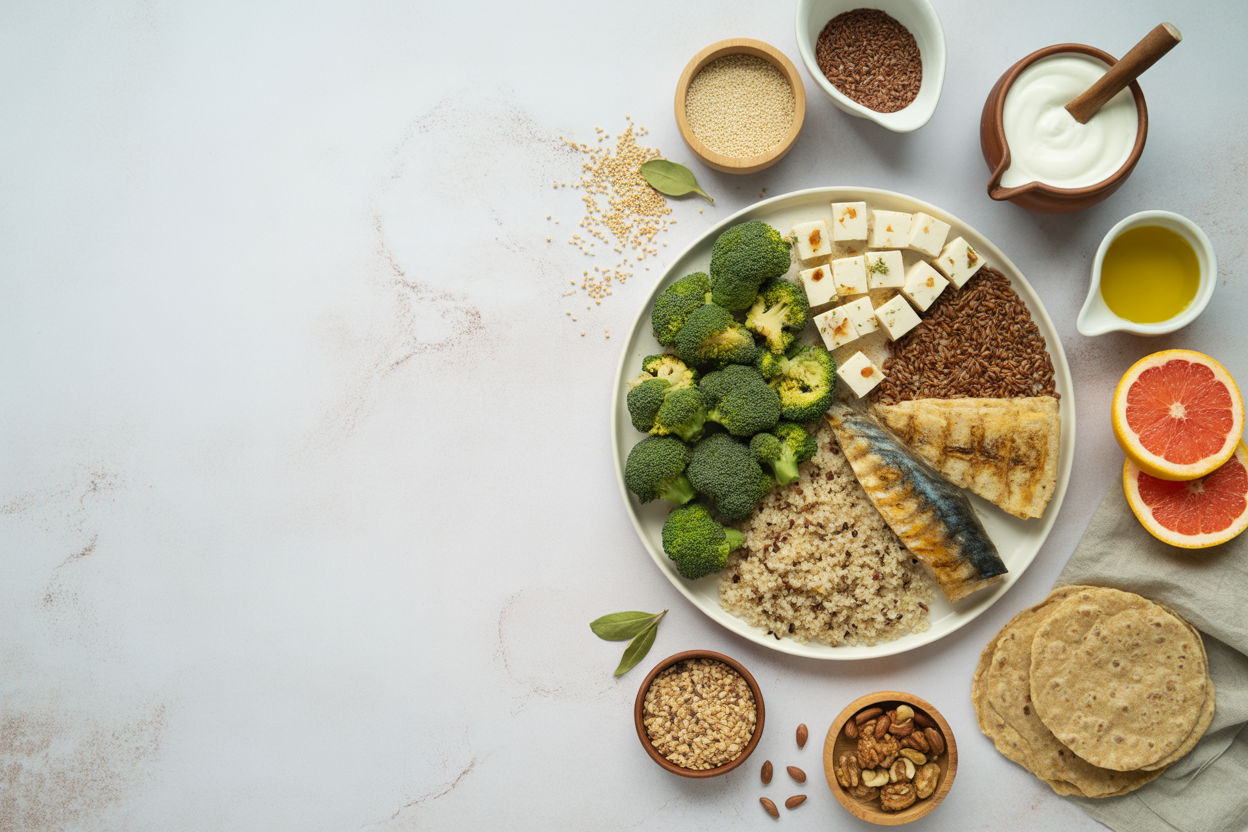
A New Approach to PCOS: A 4-Week Plan for Hormone Balance
Living with Polycystic Ovary Syndrome (PCOS) can be a frustrating and isolating journey. You may be struggling with symptoms like irregular or missed periods, unexplained weight gain, persistent acne, or excess hair growth (hirsutism). You are not alone. PCOS is a complex hormonal condition that affects millions of women and is a common, treatable cause of infertility.
Perhaps the most common advice given is to “just lose weight,” but this ignores a key part of the problem: PCOS itself makes weight loss incredibly challenging. This can lead to a cycle of restrictive dieting, frustration, and feelings of failure, which can contribute to the anxiety and depression often associated with PCOS.
It is time for a new approach.
This article is not just another restrictive diet. It is a 4-week framework designed to help you build sustainable, lifelong habits. This is not a “4-week cure” but a 4-week learning process to retrain your body and balance your hormones from the inside out. We will move away from fad diets, which are often discouraged because they are not sustainable and can lead to rebound weight gain. Instead, we will focus on an empowering pcos diet plan that targets the root causes of your symptoms.
This comprehensive pcos diet plan is based on the integrative medicine principles practiced by the endocrinology and nutrition experts at ARKA Anugraha Hospital. Our multidisciplinary team is here to guide you, helping you understand why your body is reacting this way and how you can use food to heal.
The Twin Triggers: What Your PCOS Diet Plan Must Target
To create a pcos diet plan that actually works, we must first understand what we are fighting. PCOS is not just a problem with your ovaries; it is a full-body metabolic condition driven by two main underlying issues: insulin resistance and chronic inflammation.
The Vicious Cycle: Insulin Resistance and Androgens
Insulin resistance is at the heart of PCOS for a majority of women. Here is a simple breakdown:
- Insulin as a “Key”: When you eat carbohydrates (sugar), your pancreas releases the hormone insulin. Insulin’s job is to act like a “key,” unlocking your body’s cells to let glucose (sugar) inside for energy.
- The “Resistant” Lock: In insulin resistance, your cells’ “locks” become “rusty.” They stop listening to insulin’s signal.
- The Panic Response: With sugar stuck in your bloodstream, your pancreas panics. It pumps out even more insulin to try and force the cell doors open. This state of excess insulin is called hyperinsulinemia.
- The PCOS Connection: Here is the critical link. These damagingly high levels of insulin send a direct signal to your ovaries, telling them to produce too much testosterone and other androgens (male hormones).
These excess androgens are what directly cause many of the most distressing PCOS symptoms, including irregular or absent ovulation (leading to missed periods and infertility), acne, and hirsutism. This cycle is also dangerous; more than half of women with PCOS will develop type 2 diabetes by age 40. Therefore, the number one goal of your pcos diet plan must be to lower insulin.
The Hidden Fire: How Low-Grade Inflammation Worsens PCOS
The second trigger is chronic, low-grade inflammation. Research confirms that women with PCOS have higher levels of inflammatory markers, such as C-reactive protein (CRP), even independent of their weight. This “hidden fire” contributes to long-term risks like heart and blood vessel problems.
This inflammation and insulin resistance are locked in a “Twin Vicious Cycle.” High insulin can cause inflammation, and inflammation also makes your cells more resistant to insulin. At the same time, inflammation can directly stimulate the ovaries to produce more androgens.
This is why a pcos diet plan that only targets one trigger often fails. A successful, long-term pcos diet plan must simultaneously control blood sugar and reduce inflammation. An anti-inflammatory eating pattern, such as a modified Mediterranean diet that eliminates refined sugar and processed meats, is a powerful tool to address this.
Building Your “Perfect PCOS Plate” (The Framework)
The easiest way to fight both triggers at every meal is to use a simple visual tool: The Perfect PCOS Plate.
Instead of counting calories, visualize your plate and build it this way:
- Fill Half (½) Your Plate: Non-Starchy Vegetables. These are packed with nutrients and fiber and have a minimal effect on blood sugar.
- Examples: Leafy greens (palak), broccoli (gobi), cauliflower, peppers (simla mirch), mushrooms, green beans, tomatoes, lauki, and bhindi.
- Fill One-Quarter (¼) Your Plate: Lean Protein. Protein helps stabilize blood sugar and keeps you full and satisfied, which helps manage cravings.
- Examples: Chicken, fish, eggs, tofu, paneer, and all pulses like dal, chana, and rajma.
- Fill One-Quarter (¼) Your Plate: High-Fiber, Low-GI Carbs. These “smart carbs” provide steady energy without the blood sugar spike.
- Examples: Brown rice, quinoa, millets (ragi, jowar), sweet potato, and oats.
- Add a Topping/Dressing: Healthy Fats. These help absorb vitamins, keep you full, and fight inflammation.
- Examples: Avocado, olive oil, nuts (almonds, walnuts), and seeds (chia, flax).
This “Perfect Plate” is the foundation of your 4-week framework.
Week 1: Mastering the Low-GI Diet for PCOS

Your first week is focused on mastering the single most important principle for controlling insulin: following a low gi diet pcos. This week is not about restriction; it is about swapping.
What is a Low-GI Diet for PCOS and Why Does It Work?
GI stands for the Glycemic Index. It is a scale from 0-100 that ranks carbohydrate-containing foods by how quickly they raise your blood sugar levels.
- High-GI Foods (like white bread, maida, white rice, sugary snacks, and potatoes) are digested very quickly. They cause a rapid spike in blood sugar, which forces your pancreas to release a flood of insulin—this is the exact response we must prevent.
- Low-GI Foods (like whole grains, legumes, and most vegetables) are digested slowly. They cause only a gentle, slow rise in blood sugar, which requires far less insulin.
For women with PCOS, a low gi diet pcos is transformative. By preventing blood sugar spikes, it directly improves your body’s sensitivity to insulin. Studies have shown that following a low gi diet pcos is linked to more regular periods, reduced acne, and improved fertility outcomes.
Your Week 1 Goal: Simple, Smart Swaps
Your goal this week is to replace high-GI foods with low-GI alternatives. Start with these simple, powerful swaps:
- SWAP THIS: White rice, Maida Roti, or White Bread
- FOR THIS: Brown Basmati rice, quinoa, or traditional Indian millets like jowar, bajra, and ragi.
- SWAP THIS: Sugary breakfast cereals, instant oatmeal, or poha (made from thick white rice flakes)
- FOR THIS: Steel-cut or rolled oats, dalia (broken wheat), or sugar-free muesli.
- SWAP THIS: White potatoes
- FOR THIS: Sweet potatoes or yams (shakarkandi).
- SWAP THIS: Fruit juices, sodas, or sweet lassi
- FOR THIS: Whole fruits (like a complete apple or orange), or water infused with berries and mint.
A critical rule for this week is to understand “Glycemic Load” (GL). This is the total impact of the entire meal on your blood sugar. A food’s GI score can sometimes be misleading (for example, chocolate can have a low GI but is unhealthy). The best way to manage your GL is to never eat a carbohydrate alone. Always combine your smart carb (like an apple) with a protein or fat (like a handful of almonds). This combination is the secret to stable blood sugar.
Low-GI Indian Foods to Embrace in Your PCOS Diet Plan
- Grains/Millets: Ragi, jowar, bajra, barley, rolled oats, brown rice, whole-wheat atta, dalia.
- Pulses & Legumes: Chickpeas (chana), kidney beans (rajma), lentils (moong, masoor, toor), black beans.
- Vegetables: All non-starchy vegetables, especially leafy greens (palak), cruciferous (gobi, broccoli), bhindi, lauki (bottle gourd), bell peppers, tomatoes.
- Fruits: Berries (strawberries, blueberries), apples, pears, oranges, cherries, grapefruit.
Week 2: Optimizing Your Fiber Intake and Gut Health

With your blood sugar more stable from Week 1, your second week focuses on a powerful nutrient: fiber. Fiber is a cornerstone of any successful pcos diet plan because it fights both insulin resistance and inflammation, starting with your gut.
The Critical Role of Fiber for Insulin and Hormone Control
Fiber is a type of carbohydrate that your body cannot digest. Its primary job is to slow down the entire digestive process.
This slowing action is critical for PCOS. By slowing digestion, fiber slows the absorption of sugar into your bloodstream. This means no more sharp, sudden spikes – instead, you get a slow, steady release of energy. This directly minimizes the need for a large insulin response.
The evidence is clear: studies consistently show that a higher intake of dietary fiber is negatively correlated with insulin resistance. Meta-analyses have confirmed that high-fiber diets significantly reduce fasting glucose and improve insulin resistance in women with PCOS.
The Gut-Hormone Axis: A New Frontier in Your PCOS Diet Plan
Here is where integrative medicine offers a deeper understanding. Your pcos diet plan is not just feeding you; it is feeding the trillions of bacteria in your gut. This gut microbiome is directly linked to your hormone health.
Emerging research shows that women with PCOS often have an imbalance in their gut bacteria (a state called dysbiosis), especially those with insulin resistance. This is where fiber plays its second, critical role.
Fiber is a prebiotic – it is the primary food source for your healthy gut bacteria. When your gut bacteria feast on fiber, they ferment it and produce powerful healing compounds called short-chain fatty acids (SCFAs). These SCFAs are metabolic superstars: they actively help improve insulin sensitivity and reduce inflammation throughout your body.
In essence, by eating high-fiber foods, you are outsourcing the fight against PCOS to your gut. You are fueling a “factory” inside you that manufactures anti-inflammatory and insulin-sensitizing compounds.
Your Week 2 Goal: Embrace Probiotics and Prebiotics
Your goal this week is to fuel this gut-hormone axis by adding both prebiotics (the fiber fuel) and probiotics (the healthy bacteria themselves).
- Add Prebiotic (High-Fiber) Foods:
- Legumes: Chana, rajma, lentils, and beans are fiber superstars.
- Vegetables: Onions, garlic, asparagus, cauliflower (gobi), broccoli, and leafy greens.
- Seeds: Flax seeds (alsi) and chia seeds are excellent sources.
- Whole Grains: Oats, barley, and ragi (from Week 1) are also packed with prebiotic fiber.
- Add Probiotic (Fermented) Foods:
- These foods add live, beneficial bacteria directly to your gut.
- Traditional Indian Foods: Curd (yogurt) is a daily essential. Fermented batters for idli, dosa, and dhokla are also excellent sources.
- Other Options: Consider adding kanji (a traditional fermented carrot or rice-water drink), kombucha (fermented tea), or high-quality fermented pickles.
Week 3: Fighting Inflammation with Healthy Fats & Omega-3s

Now that you are managing your insulin with low-GI foods and supporting your gut with fiber, Week 3 focuses directly on the second trigger: chronic inflammation. The key to this is understanding fat quality.
How the Right Fats Can Heal Your Hormones
For decades, fat was incorrectly blamed for weight gain. The truth is, your body requires healthy fats. They are the essential building blocks for your hormones and are one of your best tools for controlling inflammation.
Your pcos diet plan is not a low-fat diet; it is a right-fat diet. The goal is to shift your fat intake away from those that cause inflammation and toward those that heal it.
- Fats to Reduce (Pro-Inflammatory):
- Trans Fats: Found in fried foods, dalda (vegetable shortening), and many packaged snacks (biscuits, chips). These should be eliminated as much as possible.
- Excess Saturated Fats: Found in fatty red meats (mutton, pork), processed meats (sausages, salami), and full-fat dairy. These can worsen inflammation and PCOS symptoms and should be eaten in moderation.
- Fats to Increase (Anti-Inflammatory):
- Monounsaturated Fats: These are heart-healthy and form the base of an anti-inflammatory diet.
- Examples: Olive oil, avocado, almonds, and peanuts.
- Polyunsaturated Fats (PUFAs): This group includes the healing powerhouse, omega-3 fatty acids.
- Examples: Walnuts, flaxseeds, and fatty fish.
The Power of Omega-3 in a PCOS Diet Plan
Omega-3 fatty acids are a special type of PUFA that is one of the most potent anti-inflammatory substances you can eat. Their role in a pcos diet plan is backed by significant clinical research.
Multiple meta-analyses on omega-3 supplementation for women with PCOS have found that it can significantly:
- Reduce Inflammation: Lowers key inflammatory markers like C-reactive protein (CRP).
- Balance Hormones: Helps reduce levels of testosterone and other androgens.
- Improve Metabolic Health: Lowers triglycerides (a type of fat in your blood) and improves insulin sensitivity.
Your Week 3 Goal: Add These Omega-3 Powerhouses
Your goal this week is to incorporate rich sources of omega-3 fats into your weekly pcos diet plan.
- Marine Sources (EPA & DHA): These are the most potent, active forms of omega-3. Aim for two servings of fatty fish per week.
- Salmon
- Mackerel (Bangda)
- Sardines
- Herring
- Plant Sources (ALA): Your body must convert this form into EPA and DHA. This conversion is not very efficient (only a small amount is converted), but these foods are still vital for your overall health.
- Flaxseeds (Alsi): Add 1 tablespoon of ground flaxseed to your curd, smoothies, or roti dough. Your body cannot digest whole flaxseeds.
- Walnuts: A handful (about 20gms) makes a perfect PCOS-friendly snack.
- Chia Seeds: These are also a great source of ALA and fiber.
For vegetarian or vegan patients, it is especially important to consume ALA sources (flax, walnuts) daily. To bridge the “conversion gap” and get the full anti-inflammatory benefits of EPA and DHA, you may wish to discuss an algae-based omega-3 supplement with your specialist at ARKA Hospital.
Week 4: Supercharging Your Diet with Myo-Inositol

In your final week, we move from foundational food groups to a powerful therapeutic nutrient that is a game-changer for PCOS: myo-inositol. This bridges the gap between a general pcos diet plan and targeted medical nutrition therapy.
Myo-Inositol: Nature’s Insulin Sensitizer
Myo-inositol (MI) is a vitamin-like compound, sometimes called Vitamin B8, that your body naturally produces. It plays an absolutely essential role in your body’s response to insulin.
Think back to Week 1. Insulin is the “key,” and your cell is the “lock.” Myo-inositol is a key part of the internal mechanism of the lock. It acts as a “second messenger” that tells the cell what to do after insulin has “unlocked” the door.
In many women with PCOS, this internal signaling pathway is disrupted. Supplementing with myo-inositol helps repair this broken signal, which dramatically improves your body’s insulin sensitivity.
By fixing the insulin-signaling pathway, myo-inositol helps reverse the downstream hormonal chaos. Studies show it is highly effective at:
- Restoring normal ovarian function
- Improving oocyte (egg) quality
- Promoting regular ovulation and menstruation
Your Week 4 Goal: Finding Myo-Inositol in Your Food
While therapeutic doses often require supplementation, your goal this week is to actively incorporate myo-inositol-rich foods into your pcos diet plan.
The best food sources of myo-inositol include:
- Fruits: Cantaloupe and citrus fruits are the richest sources, especially oranges and grapefruit (but not lemons).
- Beans & Grains: Beans (especially), rolled oats, and bran (from whole grains) are all good sources.
- Nuts: Almonds and walnuts are also high in myo-inositol.
You will notice these are all foods that are already on your pcos diet plan from Weeks 1, 2, and 3. This shows how these principles work together to create a powerfully synergistic diet.
A Note on Supplementation: Why the 40:1 Ratio Matters
This is one of the most important clinical insights in modern PCOS management. Myo-inositol (MI) is not the only form of inositol. There is another form called D-chiro-inositol (DCI).
Your body’s tissues naturally maintain a highly specific physiological ratio of 40:1 (MI to DCI). Groundbreaking clinical trials have discovered that supplementing with this exact 40:1 ratio is the most effective and optimal formulation for restoring ovulation in women with PCOS.
Giving other ratios, or giving DCI alone, has been shown to be less effective and can even be counterproductive for reproductive health.
While the typical diet provides about 1 gram of inositol, therapeutic doses are often 2-4 grams per day. It is nearly impossible to get this therapeutic dose, or the precise 40:1 ratio, from food alone.
This is the point where a general pcos diet plan ends and personalized medical care begins. While eating inositol-rich foods is a fantastic goal, achieving the therapeutic 40:1 ratio requires medical guidance. This is the next step in your journey, and the specialists at ARKA Anugraha Hospital can help determine the right supplementation for your specific PCOS needs.
Putting It All Together: A Sample 7-Day Indian PCOS Diet Plan
Here is a sample 7-day meal plan that puts all four weeks of your new framework into practice. This is not a rigid prescription, but a guide to show you how to build balanced, hormone-friendly meals.
This sample pcos diet plan is built on low-GI, high-fiber principles, is rich in omega-3 fats, and includes myo-inositol-rich foods.
Day | Breakfast | Lunch | Snack (Mid-Afternoon) | Dinner |
Mon | Ragi Porridge (Low-GI/Fiber) with 1 tbsp ground flaxseed (Omega-3) & berries (Low-GI). | Brown Rice (Low-GI/Fiber), Rajma Curry (Fiber/Protein), & Gobi Sabzi (Low-GI/Fiber) + side salad. | 1 Apple (Low-GI/Myo-Inositol source) with 1 tbsp almond butter (Healthy Fat/Myo-Inositol). | Besan Chilla (Low-GI/Fiber/Protein) stuffed with Paneer (Protein) & mint chutney. |
Tue | 2-egg omelet (Protein/Healthy Fat) with spinach (Fiber) & 1 slice whole-wheat toast (Low-GI/Fiber). | Chickpea (Chana) Salad (Fiber/Protein) with cucumber, tomatoes, & olive oil (Healthy Fat). | 1 Orange (Low-GI/Myo-Inositol) & a handful of Walnuts (Omega-3/Myo-Inositol). | Moong Dal Khichdi (Low-GI/Fiber/Protein) with 1 bowl of Curd (Probiotic) & side of Lauki Sabzi (Fiber). |
Wed | Oats Upma (Low-GI/Fiber) loaded with vegetables (Fiber). | 2 Multigrain Rotis (Low-GI/Fiber) with Palak Paneer (Fiber/Protein/Healthy Fat) & side salad. | Roasted Chana (Low-GI/Fiber/Protein) & 1 cup green tea. | Grilled Chicken/Tofu (Protein) with stir-fried vegetables (Fiber) & Quinoa (Low-GI/Fiber/Protein). |
Thu | Ragi Dosa (Low-GI/Fiber) with Sambar (Fiber/Protein) & 1 tbsp walnut chutney (Omega-3). | Brown Rice Pulav (Low-GI/Fiber) with Mixed Vegetables (Fiber) & Cucumber Raita (Probiotic). | Cantaloupe slices (Low-GI/Myo-Inositol) with 1 tbsp Chia Seeds (Omega-3/Fiber). | Paneer Bhurji (Protein) with 2 Jowar Rotis (Low-GI/Fiber) & green salad. |
Fri | 1 bowl Curd (Probiotic) with berries (Low-GI), 1 tbsp ground flaxseed (Omega-3), & almonds (Healthy Fat/Myo-Inositol). | Large Lentil (Masoor Dal) Soup (Fiber/Protein) with a side of sautéed Bhindi (Fiber). | 1 Pear (Low-GI/Myo-Inositol source) with a handful of pumpkin seeds (Healthy Fat). | Baked/Grilled Fish (Salmon or Mackerel) (Omega-3) with Sweet Potato (Low-GI) & Asparagus (Fiber). |
Sat | Moong Dal Chilla (Low-GI/Fiber/Protein) with coriander chutney. | Quinoa Salad (Low-GI/Fiber/Protein) with avocado (Healthy Fat), chickpeas (Fiber), & lemon-olive oil dressing. | Handful of mixed nuts (Almonds, Walnuts) (Healthy Fat/Myo-Inositol). | Soya Chunk Curry (Protein) with 2 Bajra Rotis (Low-GI/Fiber) & kachumber salad. |
Sun | Idli (Probiotic/Low-GI) with Sambar (Fiber/Protein) & tomato chutney. | 2 Rotis (Low-GI/Fiber) with Egg Bhurji (Protein) & a large mixed vegetable salad (Fiber). | 1 bowl Grapefruit (Low-GI/Myo-Inositol). | Brown Rice (Low-GI/Fiber) with Mushroom Curry (Fiber) & side of Cucumber Raita (Probiotic). |
Holistic Care at ARKA: Your Partner in Managing PCOS
This 4-week framework is a powerful foundation for taking back control of your health. A successful pcos diet plan is the single most effective tool for managing your symptoms.
Beyond Diet: Lifestyle, Stress, and Movement
It is important to remember that diet is one piece of a larger puzzle. A truly integrative approach to PCOS also includes:
- Stress Management: Chronic stress can worsen hormonal imbalances. Practices like yoga, meditation, and deep breathing are essential for managing PCOS.
- Regular Movement: Exercise is a non-negotiable. Activities like brisk walking, strength training, and yoga directly improve your body’s insulin sensitivity, making your pcos diet plan even more effective.
Why a Multidisciplinary Team Is Your Best Ally
PCOS is a complex endocrine condition. It affects your hormones, metabolism, and reproductive health in interconnected ways.
A generic pcos diet plan from the internet is a good start, but it cannot account for your unique biochemistry, hormone levels, or lifestyle. To truly thrive, you need a personalized plan.
This is the philosophy at ARKA Anugraha Hospital. We have created a “one-stop holistic centre” for PCOS management, bringing together a multidisciplinary team to create a plan just for you. Our team includes:
- Endocrinologists to manage your hormonal and metabolic health.
- Nutritionists & Dietitians to design a pcos diet plan tailored to your needs.
- Gynecologists to address reproductive health, fertility, and irregular cycles.6
Start Your Personalized PCOS Diet Plan at ARKA Anugraha Hospital
Stop the guesswork. You do not have to navigate this complex condition alone. Let our team of experts in Bengaluru design a pcos diet plan and holistic treatment protocol that is tailored to your unique body, hormones, and lifestyle.
Your journey to hormone balance starts with expert, compassionate guidance. We invite you to book a consultation with the endocrinology and nutrition specialists at ARKA Anugraha Hospital today.
Frequently Asked Questions (FAQ) About Your PCOS Diet Plan
What is the single best pcos diet plan?
There is no one “best” diet, but the most effective pcos diet plan is one that focuses on managing the two root causes: insulin resistance and inflammation. A low gi diet pcos that is rich in fiber from vegetables and legumes, includes lean protein at every meal, and is high in anti-inflammatory omega-3 fats is the gold standard. The goal is a balanced, sustainable plan you can follow for life, not a restrictive fad diet.
Can I eat rice or fruits if I have PCOS?
Yes, absolutely. The key is choosing the right kind and eating them in the right way. Instead of white rice, choose low-GI, high-fiber options like brown rice, basmati rice, or traditional millets (ragi, jowar). Instead of fruit juice, eat the whole fruit. Whole fruits like berries, apples, and pears are excellent low-GI choices. The fiber in the whole fruit is beneficial as it slows down the absorption of its sugar.
Do I need to take a myo-inositol supplement?
While you can increase your intake of myo-inositol from foods like citrus fruits (oranges, grapefruit), beans, and nuts (almonds, walnuts), many women with PCOS find significant benefit from supplementation. A very specific 40:1 ratio of myo-inositol to D-chiro-inositol has been clinically shown to be most effective for restoring ovulation and improving insulin sensitivity. It is best to consult with an endocrinologist at ARKA Hospital to discuss if this supplement, and the correct dosage, is right for you.
Can diet and exercise cure PCOS?
There is no “cure” for PCOS, as it is a lifelong genetic and hormonal condition. However, diet and lifestyle changes are the most powerful tools available to manage and, in many cases, effectively reverse its symptoms. A consistent pcos diet plan and exercise routine can help regulate periods, manage weight, clear skin, and improve fertility.
What Indian foods should I avoid for PCOS?
The goal is to limit or avoid foods that spike your insulin and cause inflammation. The main foods to avoid are:
- Refined Carbohydrates: Maida, white bread, white rice, sooji, pastries, and namkeen.
- Sugary Foods & Drinks: Fruit juices, sodas, packaged sweets, desserts, and sugary cereals.
- Fried & Processed Foods: Fried snacks (samosas, pakoras), french fries, and packaged chips.
- Processed Meats: Sausages, salami, and ham, as they can be pro-inflammatory
Explore Arka Recipes
Discover recipes that blend taste with health, crafted by our experts for your well-being.

Arka Diagnostics
Discover groundbreaking diagnostic services exclusive to India, now available at Arka Health, Bangalore