

If you live with anxiety, you know the feeling all too well. The racing heart, the sense of impending doom, the constant “what if” thoughts that spiral out of control. For some, it manifests as sudden, overwhelming panic attacks that feel like a medical emergency. For others, it takes the form of health anxiety, where every normal bodily sensation is interpreted as a sign of a serious illness. This cycle can be exhausting, debilitating, and deeply isolating, especially when you’ve tried conventional approaches without finding lasting relief.
What if the root of the problem isn’t a character flaw or a simple chemical imbalance, but a learned pattern in your brain? What if your brain’s own survival alarm system has become too sensitive and is now stuck in the “on” position?
The science of neuroplasticity is revealing that this is often the case. The good news is that what the brain has learned, it can unlearn. At Arka Anugraha Hospital (Arka Health), a pioneering integrative medicine center in JP Nagar, South Bengaluru, we specialize in helping patients break free from this cycle. This guide will explore how limbic retraining for anxiety works by targeting the brain’s core emotional centers to restore a sense of safety and calm.

Deep within your brain lies a group of interconnected structures known as the limbic system. Think of it as your “emotional brain,” responsible for processing feelings, forming memories, and managing survival instincts. 4 At the heart of this system is a small, almond-shaped structure called the amygdala.
The amygdala’s primary job is to be your threat detector. It constantly scans your environment for signs of danger and, when it perceives a threat, it instantly triggers the body’s “fight, flight, or freeze” response. This is an incredibly important survival mechanism. It’s what makes you jump back from a speeding car or feel a surge of adrenaline in a crisis. This response is what causes the very real physical symptoms of anxiety: a racing heart, shortness of breath, and tense muscles.
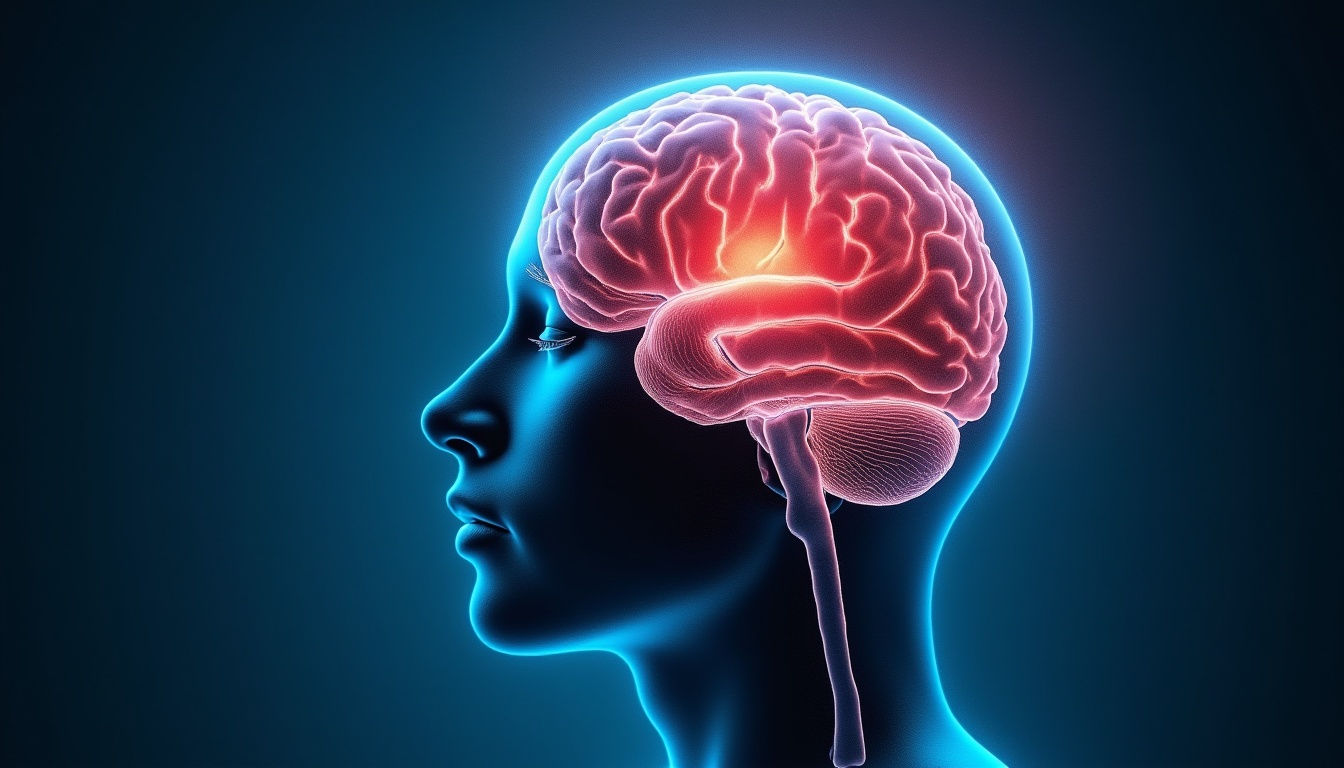
In a healthy nervous system, once a threat has passed, the rational part of your brain (the prefrontal cortex) signals the amygdala to stand down, and the body returns to a state of calm. However, after a period of intense or prolonged stress, a traumatic event, or even a serious illness, this system can become dysregulated.
The amygdala becomes hypervigilant, like a smoke alarm that’s now so sensitive it goes off every time you make toast. This creates a faulty stress circuit that gets locked in a feedback loop. 9 The brain begins to misinterpret safe, everyday signals as dangerous, keeping the body in a constant state of high alert. This is the core mechanism behind many anxiety disorders:
The revolutionary discovery of neuroplasticity has shown us that the brain is not fixed; it can change and rewire itself throughout our lives. Just as you can build new pathways by learning an instrument, you can build new pathways for calm and safety.
Limbic retraining for anxiety is a structured, “top-down” approach that uses the principles of neuroplasticity to do exactly that. It’s not about just “thinking positive”; it’s a physiological process of actively teaching your amygdala to respond differently to triggers. The goal is to perform an amygdala reset, creating new neural pathways that associate old triggers with a new response: safety.
While different programs exist (like DNRS or the Gupta Program), they are all built on a similar foundation of interrupting old patterns and creating new ones through repetition.
The first step in any limbic retraining for anxiety is to become aware of the moment the faulty stress circuit is activated. This means noticing the first flicker of a catastrophic thought or the initial physical sensation of panic. Once you’re aware, you can consciously interrupt the pattern. This can be as simple as saying “Stop” to yourself or changing your physical posture.
After interrupting the old pathway, the next step is to actively create a new one. This is done by intentionally generating a positive emotional state. This could involve vividly recalling a joyful memory, visualizing a peaceful place, or thinking about someone you love. 10 This process helps shift your brain chemistry away from stress hormones (like cortisol and adrenaline) and toward feel-good neurotransmitters (like dopamine and serotonin), which is essential for an effective amygdala reset.
Just like building muscle at the gym, rewiring your brain requires consistent practice. Every time you interrupt an old fear-based pathway and activate a new safety-based one, you are strengthening that new connection. Over time, the new, calmer pathway becomes the brain’s default response.

At Arka Health in Bengaluru, we understand that the most profound and lasting healing happens when we address the brain and body simultaneously. While “top-down” limbic retraining for anxiety is a core component of our approach, we integrate it with powerful “bottom-up” therapies that calm the nervous system directly from the body.
Your body holds the key to calming your brain. We use somatic tools to help you regulate your nervous system in the moment.
A core principle of overcoming anxiety is gently re-engaging with the things you fear. However, traditional exposure therapy can be overwhelming. Our approach uses exposure + safety cues. This means we help you gradually face feared situations or sensations while actively using somatic tools (like a calming breath) to keep your nervous system regulated. This process provides new evidence to your brain that these triggers are, in fact, safe, which is a cornerstone of limbic retraining for anxiety.
Q1: Is limbic retraining just “positive thinking”? Does it mean my anxiety is not real?
Not at all. This is a common misconception. Limbic retraining for anxiety acknowledges that your physical and emotional symptoms are 100% real. It is not about ignoring your feelings, but about engaging in a structured, physiological process to rewire the neural circuits that are perpetuating them.
Q2: How long does it take to see results?
The timeline is unique for everyone, as it involves unlearning patterns that may have been in place for years. While some people notice shifts within weeks, it is best to commit to a consistent daily practice for at least six months to achieve significant and lasting change.
Q3: Can I do this if I am already on medication or in talk therapy?
Absolutely. Limbic retraining is a complementary approach that can enhance the benefits of medication and traditional therapies like Cognitive Behavioral Therapy (CBT). It provides you with practical, daily tools to regulate your nervous system.
Q4: How do I know if my anxiety is caused by my limbic system?
If your anxiety feels automatic, is triggered by seemingly irrational things, and comes with strong physical symptoms (like a racing heart, dizziness, or digestive upset), it is highly likely that an overactive limbic stress circuit is involved.
Living with anxiety, panic, or health anxiety can feel like you are at the mercy of a faulty alarm system you can’t turn off. The science of neuroplasticity offers a powerful and hopeful truth: you have the ability to change your brain and recalibrate that alarm. Limbic retraining for anxiety is an empowering, evidence-based approach that puts you in control of your recovery.
By combining top-down brain retraining with bottom-up somatic tools, you can create new pathways for safety, calm, and resilience. You can teach your brain a new way to feel.
Ready to learn how to reset your brain’s stress circuit and find lasting relief? Book a consultation at Arka Health in JP Nagar, Bengaluru, and let our integrative medicine experts guide you on your path to recovery.
Discover recipes that blend taste with health, crafted by our experts for your well-being.

Discover groundbreaking diagnostic services exclusive to India, now available at Arka Health, Bangalore