
Is Prolozone Therapy Safe? Understanding the Science Behind This Regenerative Treatment

- Published on: 29/Jan/2026
- Posted By: Arka Health
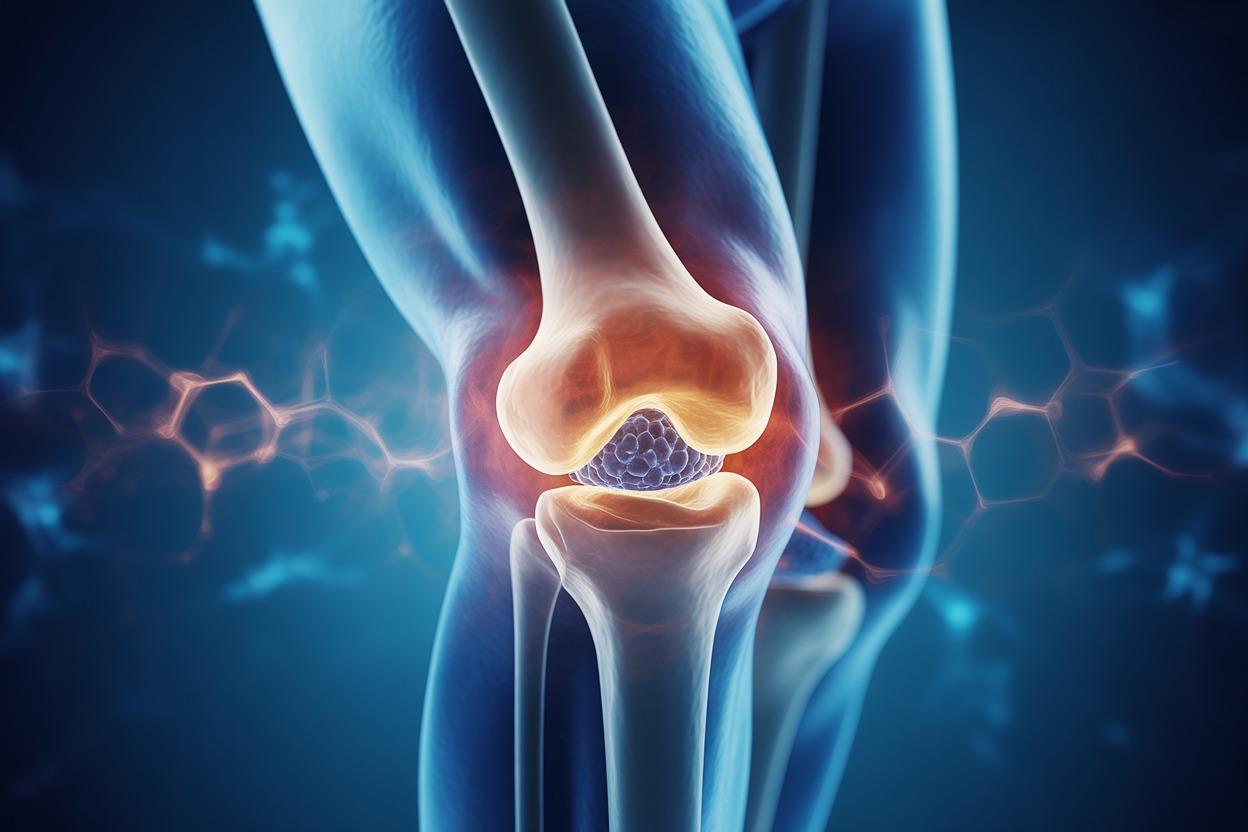
When Meera sat across from her doctor at ARKA Anugraha Hospital, her concerns were written all over her face. She had been living with chronic knee pain for three years, cycling through different pain medications that offered temporary relief but left her feeling frustrated and still unable to enjoy her morning walks. Her physician had just suggested prolozone therapy, and while the promise of genuine healing without surgery sounded appealing, one question dominated her thoughts: is it safe to inject ozone gas into my body?
This is perhaps the most common and most legitimate question patients ask when first hearing about prolozone therapy. After all, most of us associate ozone with smog, air pollution, and environmental warnings. The idea of deliberately introducing it into your knee joint or spine can understandably trigger alarm bells. If you are considering this treatment, you deserve clear, honest answers grounded in science, clinical experience, and real patient outcomes.
The simple answer is yes, prolozone therapy is safe when performed by trained practitioners using proper protocols. But that simple answer does not tell the whole story. Understanding why it is safe, who it is safe for, and what safeguards ensure your protection is essential to making an informed decision about your care. This is especially important at ARKA Anugraha Hospital, where the integrative approach means looking at your whole health picture, not just the joint that hurts.

Understanding What Prolozone Actually Is
Before we can discuss safety, we need clarity about what prolozone therapy involves. The confusion often starts with the name itself, which combines prolotherapy and ozone therapy into a single treatment approach.
Traditional prolotherapy has been used for decades to treat chronic pain. It involves injecting a solution, usually containing dextrose sugar, into damaged ligaments, tendons, or joints. This solution creates controlled, mild irritation that triggers your body’s natural healing response. Think of it like ringing a doorbell to wake up your body’s repair crew.
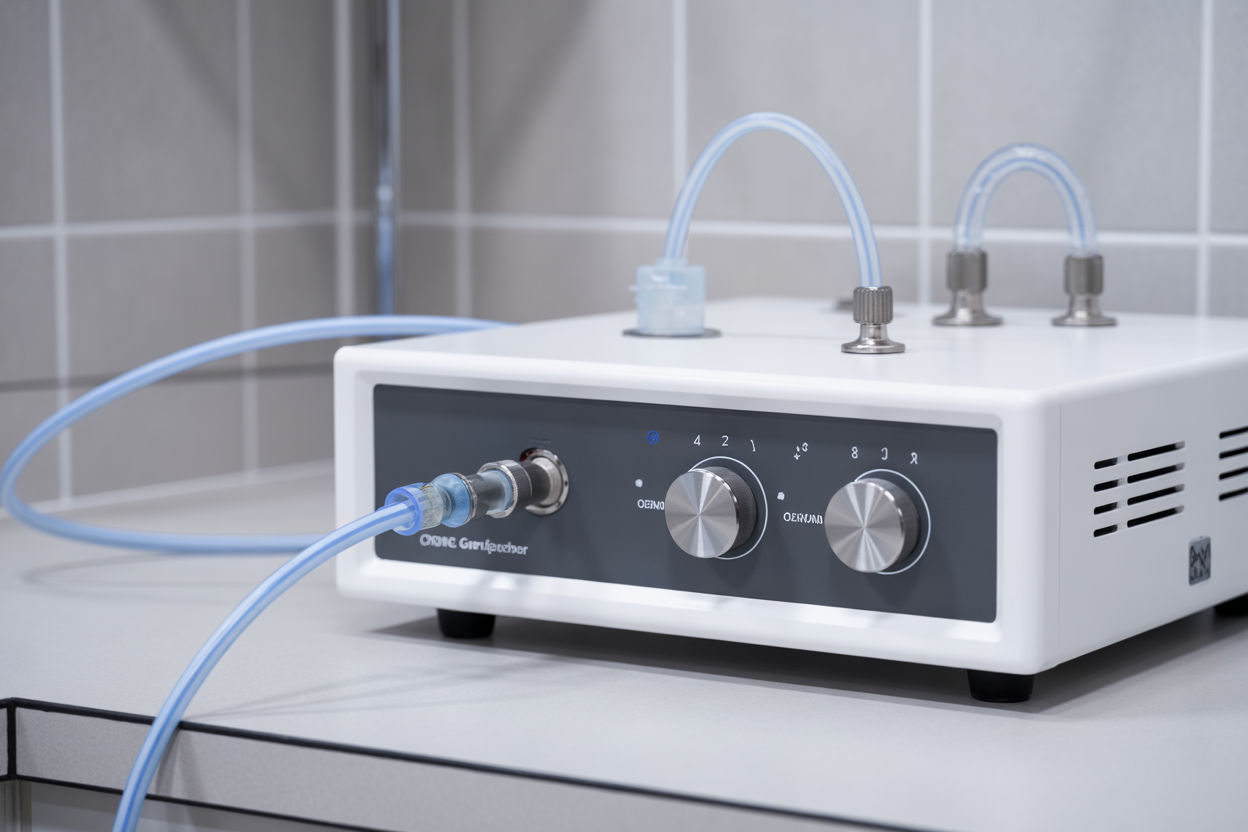
Ozone therapy adds a powerful dimension to this approach. Medical grade ozone is not the same as atmospheric ozone pollution. It is created in a medical device by passing pure pharmaceutical oxygen through an electrical field, producing a precise mixture of oxygen and ozone molecules. This medical ozone is measured carefully and used at specific concentrations that have been studied extensively in clinical settings.
The prolozone procedure happens in two steps during the same visit. First, your doctor injects a liquid solution containing local anesthetic to numb the area, along with vitamins and nutrients that support tissue healing. This creates immediate comfort and provides the raw materials your cells need for repair. Second, the carefully measured ozone gas is injected into the same area. The gas dissolves quickly into your tissues and begins its therapeutic work.
What happens next is where the science becomes fascinating. The ozone does not stay in your body as a gas. Within seconds, it reacts with the fluids in your tissues, creating signaling molecules that communicate with your cells. These signals tell your cells to ramp up energy production, activate their internal antioxidant defenses, and shift from a state of chronic inflammation to active healing.
The Science That Makes It Safe
The safety of prolozone therapy rests on a biological principle called hormesis. This concept is simpler than it sounds. Hormesis means that a small dose of something challenging can trigger a beneficial adaptive response, while a large dose would be harmful. Exercise is a perfect example. A moderate workout stresses your muscles and cardiovascular system just enough to make them stronger. Too much exercise leads to injury. The right amount leads to fitness.
Medical ozone works the same way. When introduced at therapeutic concentrations, typically between 10 and 40 micrograms per milliliter, it creates a brief, controlled oxidative signal. This tiny stress wakes up cellular pathways that have become sluggish in chronically damaged tissues.
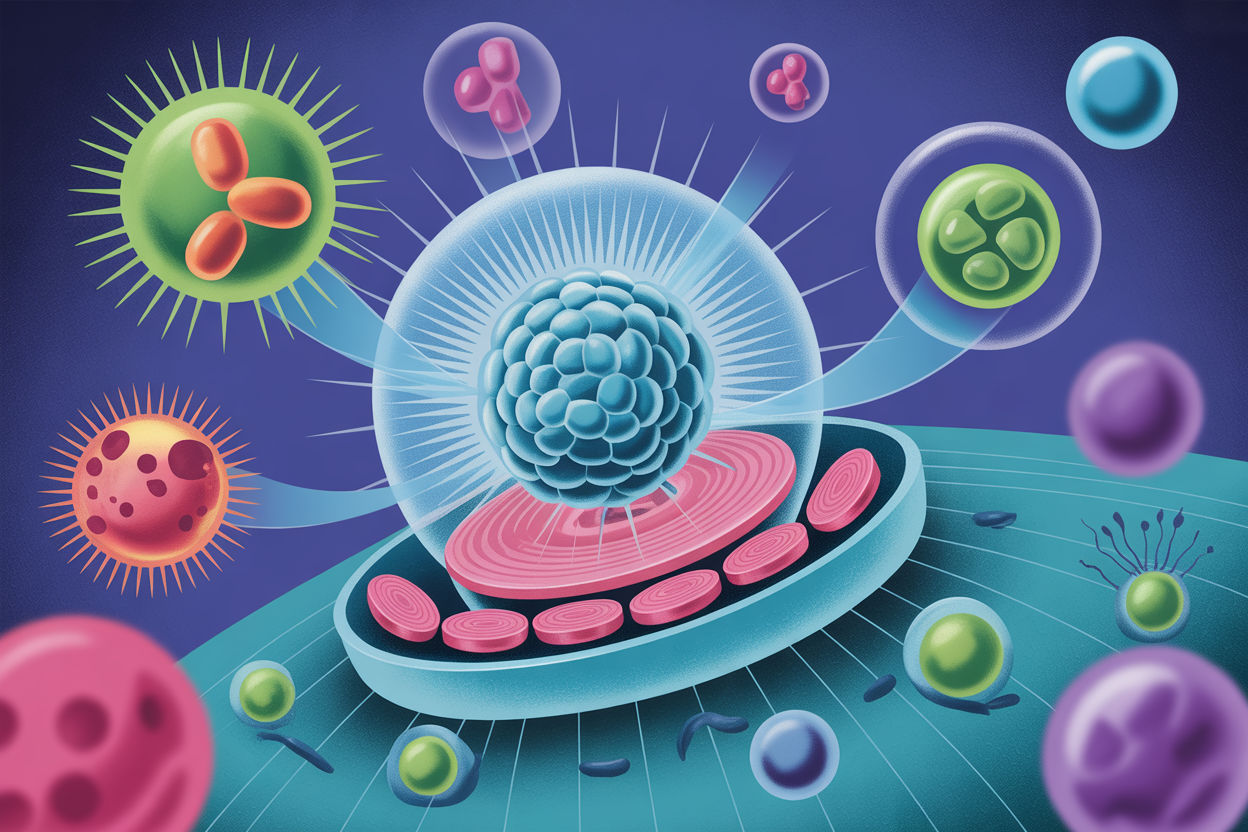
One of the most important protective mechanisms involves a protein called Nrf2. Under normal circumstances, this protein sits idle in your cells. But when the mild oxidative signal from ozone reaches it, Nrf2 springs into action. It moves into the control center of your cell, the nucleus, and turns on hundreds of genes that produce powerful antioxidants. These include superoxide dismutase, catalase, and glutathione, which are far more effective than any antioxidant supplement you could take orally.
This creates a beautiful paradox. The ozone introduces a small amount of oxidative stress, but the result is a massive increase in your body’s own antioxidant defenses. It is like a vaccine that exposes you to a tiny amount of a pathogen to build immunity against a real infection. Your tissues become more resilient and better protected against the chronic oxidative damage that drives joint degeneration.
The ozone also addresses a fundamental problem in chronic pain conditions: energy failure. Your cells contain tiny power plants called mitochondria that produce the energy currency your body runs on, adenosine triphosphate or ATP. In degenerative conditions, these mitochondria often become sluggish and inefficient. Without adequate energy, your cells cannot maintain healthy tissue or repair damage.
Ozone therapy directly stimulates mitochondrial function, increasing the production of ATP. It also improves oxygen delivery to tissues by affecting how hemoglobin in your blood releases oxygen. This combination means your cells suddenly have both the oxygen and the energy they need to heal properly. For someone with chronic knee pain, this metabolic shift can be transformative.
What the Safety Data Actually Shows
Numbers matter when evaluating safety. Fortunately, ozone therapy has been used medically for over 50 years in many countries, generating substantial safety data. A landmark survey from the early 1980s analyzed hundreds of thousands of treatments and calculated the rate of adverse effects at just 0.0007 percent. These were predominantly minor issues like temporary nausea or headache.
More recent systematic reviews focusing specifically on orthopedic and pain management applications confirm this excellent safety record. When researchers analyzed clinical trials involving ozone injections for various musculoskeletal conditions, serious adverse events were extraordinarily rare. The most common experiences patients report are not true side effects but rather expected responses to the healing process.
About 70 percent of patients experience some temporary soreness after treatment. This typically peaks 24 to 48 hours after the injection and then resolves. This soreness is actually a positive sign that your body is responding. The controlled inflammatory response brings healing cells and increased blood flow to the area. Think of it as the construction crew arriving at a worksite. There is noise and activity, but that is because important work is happening.
Some patients notice mild stiffness or a feeling of fullness in the treated joint. This makes sense when you remember that gas is being introduced into a closed space. As the ozone dissolves and reacts with your tissues, this sensation fades quickly, usually within an hour.
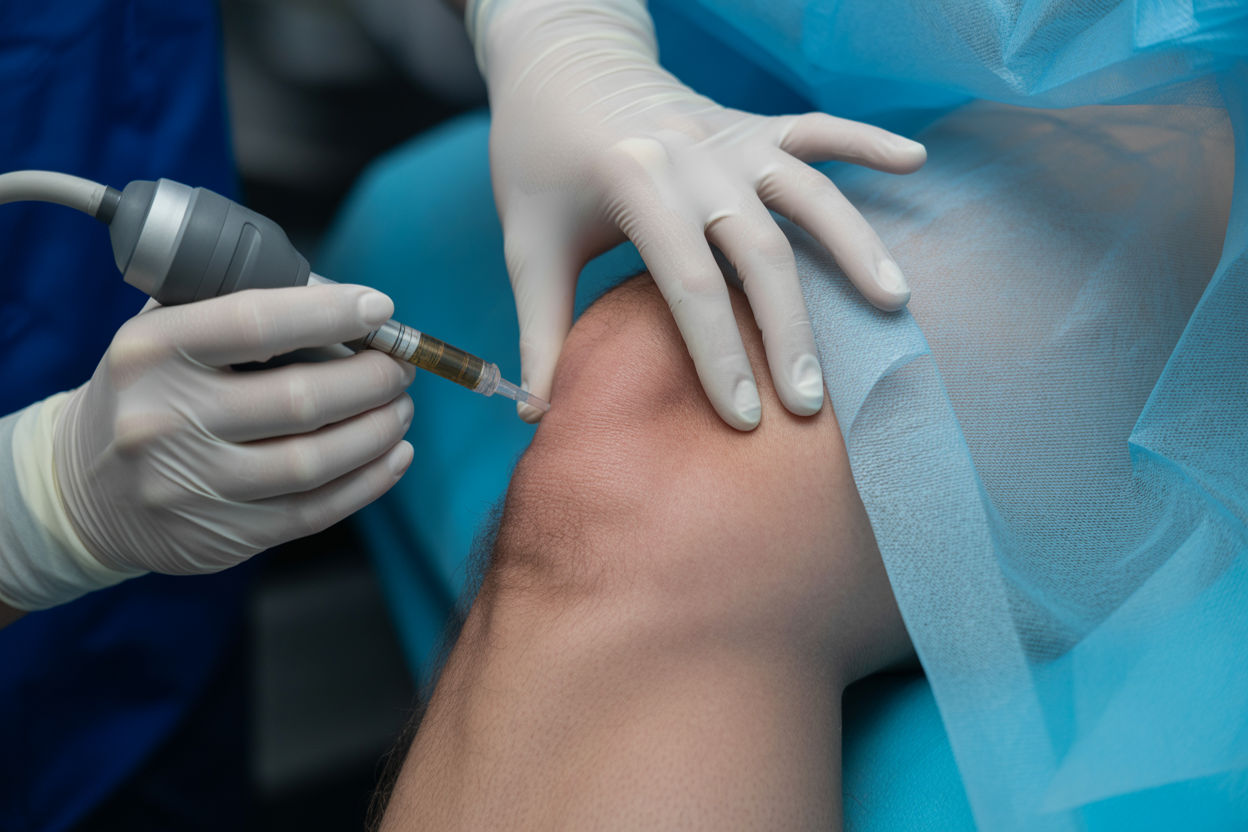
True complications are rare and almost always related to the injection procedure itself rather than the ozone. Any time a needle enters your body, there are theoretical risks of infection, bleeding, or nerve irritation. These risks apply to any injection, whether it contains ozone, cortisone, or any other substance. The key to minimizing these procedural risks is practitioner skill, proper sterile technique, and often the use of ultrasound guidance to visualize exactly where the needle is going.
One important distinction needs emphasis. The serious complications occasionally reported in medical literature almost always involve improper technique, such as direct intravenous injection of ozone gas. This is explicitly prohibited by all international safety guidelines. When ozone is injected into joints, soft tissues, or around the spine as intended, it stays in the local area and does not enter your bloodstream as bubbles.
Read next: Understanding different injection therapies for chronic pain at ARKA Anugraha Hospital.
Who Should Not Receive Prolozone Therapy
Safety is never one size fits all. While prolozone therapy is safe for most people, certain medical conditions require special consideration or make the treatment inappropriate. Responsible practitioners always screen patients carefully before proceeding.
The most critical contraindication is a genetic condition called glucose 6 phosphate dehydrogenase deficiency, often abbreviated as G6PD deficiency or called favism. This enzyme deficiency affects how red blood cells handle oxidative stress. People with this condition lack the protective mechanisms that allow cells to neutralize the oxidative signals from ozone safely. For them, exposure to ozone could potentially cause red blood cells to break down, leading to anemia.
G6PD deficiency is more common in people of Mediterranean, African, and Asian ancestry. Simple blood tests can screen for this condition. At ARKA Anugraha Hospital, this screening is standard protocol before beginning ozone therapy, ensuring no one receives treatment that could harm them.
Uncontrolled hyperthyroidism represents another contraindication. Your thyroid gland regulates your metabolic rate, essentially controlling how fast your body’s engine runs. In hyperthyroidism, the metabolism is already running too fast, potentially causing symptoms like rapid heartbeat, anxiety, and heat intolerance. Ozone therapy stimulates metabolic activity, which could worsen these symptoms or even trigger a dangerous condition called thyroid storm. However, once thyroid function is normalized with appropriate medication, prolozone can usually be reconsidered safely.
Pregnancy is generally considered a contraindication, particularly in the first trimester. This is less about proven harm and more about medical caution. The effects of ozone therapy on fetal development have not been studied in controlled trials, which would be unethical to conduct. Given this uncertainty, most practitioners prefer to avoid the treatment during pregnancy unless the potential benefits clearly outweigh unknown risks.
Patients with active bleeding disorders or very low platelet counts need special consideration. While ozone has mild effects on blood clotting, in someone whose clotting is already impaired, even minor bleeding at the injection site could be problematic. Similarly, patients who have had a recent heart attack typically need medical clearance and stabilization before undergoing oxidative therapies.
It is important to understand that having diabetes, high blood pressure, or other common chronic conditions does not automatically disqualify you from prolozone therapy. In fact, people with these metabolic conditions often respond particularly well because the therapy addresses the energy and circulation problems that complicate their healing. The key is having these conditions reasonably controlled before treatment.
How Prolozone Compares to Other Treatments
Ultrasound-guided prolozone injection performed using sterile techniqueWhen evaluating the safety of prolozone therapy, context matters. How does it compare to the alternatives you might be considering?
Cortisone injections are perhaps the most common injection treatment for joint pain. They provide rapid, powerful relief by shutting down inflammation. However, cortisone comes with significant downsides. It is catabolic, meaning it breaks down tissue. Studies show that repeated cortisone injections can actually accelerate cartilage loss and weaken tendons. Cortisone also suppresses your immune system locally, which can mask infections and impair healing. For diabetics, cortisone causes blood sugar spikes that can last days.
Prolozone takes the opposite approach. Rather than suppressing your body’s responses, it stimulates them. Rather than breaking down tissue, it promotes repair. The long term safety profile strongly favors prolozone for anyone needing repeated treatments over time.
Compared to surgery, the safety advantages of prolozone become even more apparent. Any surgery carries risks from anesthesia, infection, blood clots, and surgical complications. Recovery requires weeks or months. Joint replacement surgery, while often successful, is major surgery with all the attendant risks. For many patients, prolozone offers a way to avoid or significantly delay surgery while maintaining quality of life.
Even compared to long term use of pain medications, prolozone shows safety advantages. Chronic use of NSAIDs like ibuprofen can cause stomach ulcers, kidney damage, and cardiovascular problems. Opioid pain medications carry risks of dependence and serious side effects. Prolozone addresses the underlying problem rather than masking symptoms, potentially reducing or eliminating medication dependence.
Related service: Comprehensive pain management programs at ARKA Anugraha Hospital offer multiple treatment approaches tailored to your specific condition.
The Whole Body Context of Safety
What makes ARKA Anugraha Hospital’s approach to prolozone therapy unique is the recognition that safety and effectiveness depend not just on the injection itself but on your overall health status. This integrative perspective recognizes that you cannot heal a joint in isolation from the rest of your body.
Consider gut health. Research has revealed a fascinating connection between your digestive system and your joints, called the gut joint axis. When the bacterial balance in your gut becomes disrupted, a condition called dysbiosis, it can compromise your intestinal barrier. This allows bacterial toxins to leak into your bloodstream and travel throughout your body, including to your joints where they trigger inflammation.
If you have significant gut dysbiosis and intestinal permeability, your body is constantly fighting systemic inflammation. This can interfere with healing responses and reduce the effectiveness of local treatments like prolozone. More importantly, unaddressed gut issues can increase inflammation related side effects. This is why the comprehensive evaluation at ARKA Anugraha Hospital often includes assessment of digestive health, even when you are coming in for knee pain.
Blood sugar control represents another crucial factor. High glucose levels interfere with healing in multiple ways. They promote inflammation, impair stem cell function, and lead to the formation of molecules called advanced glycation end products that make your tissues stiff and brittle. For diabetic patients or those with metabolic syndrome, optimizing blood sugar control before and during prolozone therapy significantly improves both safety and outcomes.
Thyroid function also plays a surprising role in joint and tendon health. Your tendons contain receptors for thyroid hormones, and these hormones are essential for preventing tendon cell death and maintaining tissue strength. Undiagnosed hypothyroidism is strongly linked to conditions like rotator cuff tears and chronic tendinopathy. Treating shoulder problems with prolozone in someone with low thyroid function often yields disappointing results until the thyroid issue is addressed.
Stress levels matter too. Chronic psychological stress elevates cortisol, your body’s main stress hormone. Elevated cortisol breaks down collagen and impairs healing. Someone under severe chronic stress may experience delayed healing and more pronounced soreness after prolozone injections. Incorporating stress management techniques is not just wellness advice, it is clinically important for optimizing treatment outcomes.
This whole body perspective means that at ARKA Anugraha Hospital, you are not just getting an injection. You are receiving a comprehensive treatment plan that addresses the factors influencing your healing capacity. This approach maximizes safety by ensuring your body is prepared to respond optimally to the regenerative signals.

Nutritional Support for Safe Healing
Your body cannot build new tissue without raw materials. One often overlooked aspect of safety and effectiveness is nutritional status. The healing response triggered by prolozone requires adequate supplies of specific nutrients.
Vitamin C deserves special mention. This vitamin is absolutely essential for collagen synthesis. Without adequate vitamin C, the collagen your body tries to make will be weak and defective. The historical disease scurvy, caused by severe vitamin C deficiency, demonstrates this dramatically. Sailors on long voyages without fresh fruits and vegetables developed weak, bleeding tissues because their bodies could not make proper collagen.
While true scurvy is rare today, marginal vitamin C deficiency is common. Supplementing with 1000 to 2000 milligrams of vitamin C daily during your prolozone treatment course supports optimal collagen formation. Many practitioners also include vitamin C in the injection solution itself for direct local delivery.
Protein intake is equally important. Collagen is a protein, and building new structural tissue requires amino acids from dietary protein. Inadequate protein intake, common in elderly patients or those on restrictive diets, can significantly impair healing. Aim for adequate high quality protein from sources like fish, poultry, eggs, legumes, or quality protein supplements.
Certain minerals also play crucial roles. Zinc is essential for DNA synthesis and cellular division, both required for tissue repair. Copper works alongside vitamin C in collagen cross linking, the process that gives collagen its strength. These micronutrients are often overlooked but can be the limiting factor in healing.
Omega 3 fatty acids from fish oil or algae sources help resolve inflammation efficiently once the initial healing signal has occurred. While you want that brief inflammatory spark to call healing cells to the area, you also want the inflammation to resolve cleanly rather than becoming chronic. Omega 3s support this resolution process.
Hydration is remarkably important for ozone therapy specifically. Remember that ozone is a gas that dissolves in fluids and reacts in the aqueous environment of your tissues. Dehydration reduces the effectiveness of these reactions. Being well hydrated before your injection ensures the ozone can distribute properly and do its work effectively.
What to Expect During Your Treatment Journey
Understanding the practical aspects of prolozone therapy helps reduce anxiety and ensures you are prepared for the experience. Let me walk you through what typically happens.
Your first visit involves a comprehensive evaluation. Your physician reviews your medical history carefully, looking not just at the painful area but at your overall health. They may order blood tests to check for conditions like G6PD deficiency or thyroid problems. Imaging studies help characterize the degree of damage and guide treatment planning.
The injection procedure itself is usually straightforward and quick, typically taking 15 to 30 minutes. You will be positioned comfortably, and the skin over the treatment area is cleaned thoroughly with antiseptic solution. Some practitioners use ultrasound guidance to visualize the joint or tissue being treated, ensuring precise needle placement.
The sensation during injection varies by individual tolerance and treatment area, but most patients describe it as much more comfortable than expected. The liquid phase contains local anesthetic, so the area becomes numb quickly. When the ozone gas is injected, you will typically feel pressure or fullness rather than sharp pain. Some people describe it as a sensation of bubbling or tingling. This is temporary and fades as the gas dissolves.
Immediately after treatment, you can typically walk out and drive home. There are no requirements for bed rest or prolonged recovery. However, your activity in the first few days should be modified. Gentle movement like easy walking is encouraged because it helps circulate the ozone and nutrients through your tissues. However, high impact activities like running, jumping, or heavy weightlifting should be avoided for about three to five days.
The post treatment soreness that many patients experience usually peaks around 24 to 48 hours after injection. This represents your body’s healing response activating. Resist the temptation to suppress this with strong anti inflammatory medications like ibuprofen, as these can interfere with the repair process you are trying to stimulate. Simple pain relievers like paracetamol are fine if needed.
Most treatment protocols involve three to five sessions spaced one to two weeks apart. This interval allows each treatment to trigger its biological response before the next stimulus is applied. Some patients notice improvement after the first injection, but for most people, the benefits build cumulatively over the course of treatments.
The Bigger Picture: Safety Within Integrative Care
At ARKA Anugraha Hospital, prolozone therapy is offered not as a standalone miracle cure but as part of a comprehensive regenerative strategy. This context is crucial for understanding its true safety and effectiveness.
Consider Rajesh, a 54 year old software professional with chronic lower back pain and early knee osteoarthritis. His initial evaluation revealed not just joint degeneration but also prediabetes, significant stress, poor sleep, and digestive complaints. Simply injecting his knee and back would likely provide limited benefit because his entire system was in a pro inflammatory state.
His treatment plan included prolozone injections, but also dietary modifications to improve blood sugar control, targeted probiotic therapy to address gut dysbiosis, stress management techniques, and a carefully designed exercise program. This comprehensive approach addressed the terrain in which healing had to occur. The result was not just reduced pain but improved overall health and sustained improvement that lasted far beyond what the injections alone might have achieved.
This illustrates an important principle. The safety and effectiveness of regenerative therapies like prolozone are intimately connected to your body’s overall state. A joint cannot heal optimally in a systemically inflamed body. Addressing inflammation at its roots, whether that is in your gut, your diet, your sleep quality, or your stress levels, is not optional. It is essential.
The integrative model also means ongoing monitoring and adjustment. If you are not responding as expected to treatment, your care team investigates why. Perhaps undiagnosed food sensitivities are driving inflammation. Perhaps your vitamin D levels are critically low, impairing immune function and tissue repair. Perhaps medication interactions are interfering with healing signals. This detective work to optimize your internal environment is what sets comprehensive care apart from simply performing procedures.
Making Your Decision
If you are considering prolozone therapy, you now have a foundation of knowledge to guide your decision. The evidence supports several key conclusions.
First, prolozone therapy has an excellent safety profile when performed by trained practitioners following proper protocols. Serious adverse events are rare, and most people experience nothing worse than temporary soreness.
Second, the therapy is not appropriate for everyone. Screening for contraindications, particularly G6PD deficiency, hyperthyroidism, and other specific conditions, is essential. Honest discussion with your physician about your complete medical history protects your safety.
Third, the best outcomes occur within an integrative framework that addresses your whole health picture. Optimizing gut health, metabolic function, nutritional status, and lifestyle factors is not just complementary to prolozone therapy, it is foundational to its success.
Fourth, prolozone compares favorably to alternatives in terms of safety. It avoids the tissue damaging effects of cortisone, the risks of surgery, and the side effects of chronic medication use while addressing underlying problems rather than just masking symptoms.
The question of safety ultimately depends on whether you are a suitable candidate receiving appropriate care in a comprehensive treatment context. At ARKA Anugraha Hospital, the commitment to integrative medicine ensures that prolozone therapy is offered thoughtfully as part of a broader healing strategy, maximizing both safety and effectiveness.
For patients like Meera, whose story opened this article, understanding the science behind prolozone therapy transformed her anxiety into confidence. She proceeded with treatment, experienced the expected temporary soreness that signaled her body’s healing response, and gradually regained the pain free mobility she thought she had lost forever. Three months later, she was back to her morning walks, this time with a deeper appreciation for her body’s remarkable capacity to heal when given the right support.
Your journey may be similar. Chronic pain does not have to mean choosing between living with limitations and undergoing surgery. Regenerative approaches like prolozone therapy, especially when integrated into comprehensive care that honors your body as a whole system, offer a safe, effective path forward. The key is informed decision making, proper patient selection, skilled administration, and commitment to optimizing the internal environment in which healing occurs.
FREQUENTLY ASKED QUESTIONS
- What are the most common side effects of prolozone therapy that patients experience? The most common experience is temporary soreness at the injection site that peaks 24 to 48 hours after treatment. This represents your body’s healing response activating, not a true side effect. About 70 percent of patients notice this soreness, along with possible stiffness or fullness in the treated area. These sensations are typically mild and resolve within a few days without intervention.
- Can prolozone therapy cause a dangerous gas embolism in my bloodstream? Gas embolism is extremely rare and occurs only with improper technique, specifically direct intravenous injection of ozone gas, which is explicitly prohibited by all safety guidelines. When prolozone is injected properly into joints or soft tissues as intended, the ozone dissolves locally into your fluids and reacts there. It does not enter your bloodstream as bubbles. Proper aspiration before injection and ultrasound guidance prevent this risk.
- Why is G6PD deficiency testing important before starting prolozone therapy? G6PD deficiency is a genetic enzyme disorder that impairs red blood cells’ ability to handle oxidative stress. People with this condition lack protective mechanisms against the oxidative signals from ozone, potentially causing red blood cells to break down. Simple blood testing identifies this condition before treatment. Screening is standard safety protocol at reputable clinics, especially for patients of Mediterranean, African, or Asian ancestry where this deficiency is more common.
- How does prolozone therapy safety compare to cortisone injections for my joint pain? Prolozone has a superior long term safety profile compared to cortisone. While cortisone provides rapid relief, it breaks down cartilage and weakens tendons with repeated use, suppresses your immune system, and causes blood sugar spikes in diabetics. Prolozone stimulates healing rather than suppressing it, does not damage tissue, and actually helps repair structures. For anyone needing repeated treatments over time, prolozone is considerably safer.
- Will my diabetes or high blood sugar prevent me from safely receiving prolozone therapy? Diabetes does not automatically disqualify you from prolozone therapy. In fact, diabetic patients often benefit greatly because ozone improves oxygen delivery and cellular energy production, addressing circulation and healing problems common in diabetes. However, your blood sugar should be reasonably controlled before treatment. High glucose levels interfere with healing and increase infection risk, so optimizing glycemic control maximizes both safety and treatment effectiveness.
- What should I avoid doing after a prolozone injection to ensure safe healing? Avoid taking anti inflammatory medications like ibuprofen or naproxen for at least two weeks after treatment, as these suppress the healing response you are trying to stimulate. Also avoid strenuous exercise, running, or heavy lifting for three to five days. However, gentle movement like easy walking is encouraged to circulate therapeutic agents through your tissues. Simple pain relievers like paracetamol are acceptable if needed for soreness.
- Why does ARKA Anugraha Hospital assess my gut health when treating joint pain with prolozone? Research reveals a gut joint axis where intestinal health directly influences joint inflammation. When your gut lining becomes permeable, bacterial toxins enter your bloodstream and travel to joints, triggering inflammation that interferes with healing. Unaddressed gut dysbiosis creates constant systemic inflammation that can reduce prolozone effectiveness and increase inflammatory responses. Healing your gut optimizes your body’s ability to respond to regenerative treatment.
- How many prolozone treatments are typically needed and is repeated treatment safe? Most protocols involve three to five treatment sessions spaced one to two weeks apart. Unlike cortisone, which becomes increasingly dangerous with repeated use, prolozone remains safe for multiple sessions because it stimulates your body’s own healing mechanisms rather than suppressing them. Some patients require periodic maintenance treatments every few months, which is safe long term. The cumulative healing effect builds progressively across treatments.
Explore Arka Recipes
Discover recipes that blend taste with health, crafted by our experts for your well-being.
Arka Diagnostics
Discover groundbreaking diagnostic services exclusive to India, now available at Arka Health, Bangalore