
Is Prolotherapy Painful? What to Expect During Treatment and Recovery

- Published on: 12/Jan/2026
- Posted By: Arka Health
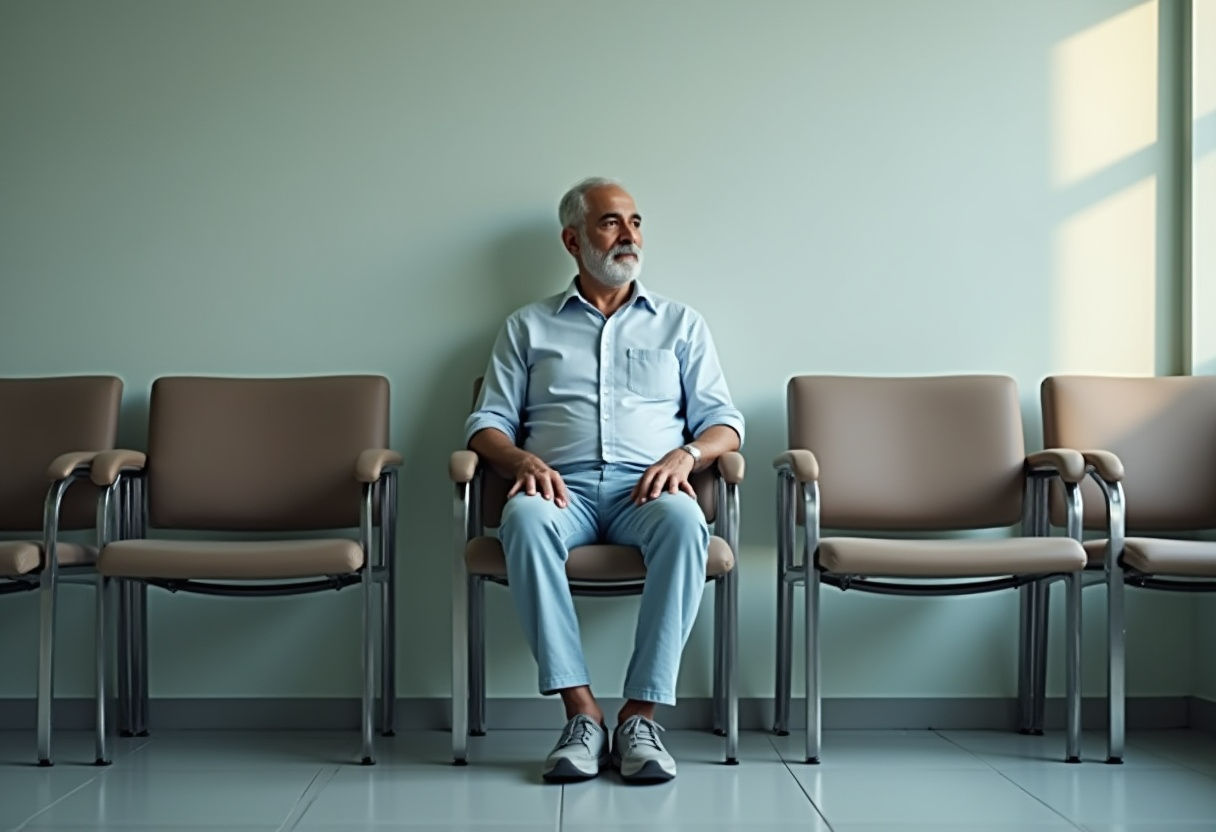
Deepak sat in the waiting room, his appointment card crumpled in his sweating palm. He had finally decided to try prolotherapy for the chronic knee pain that had plagued him for four years, but one question kept circling through his mind: how much is this going to hurt? He had read online that the treatment involved multiple injections and something called a healing flare. His friend who had undergone the procedure described it as uncomfortable but worthwhile, yet Deepak found himself fixating on that word: uncomfortable. What did that really mean?
This anxiety is completely natural and remarkably common. When facing any medical procedure involving needles and the deliberate creation of inflammation, concerns about pain are not just expected but sensible. At ARKA Anugraha Hospital, we believe in absolute transparency about what patients will experience. The honest answer to whether prolotherapy is painful requires nuance, because the discomfort you may feel serves a completely different purpose than the chronic pain that brought you to treatment in the first place.
Understanding Two Different Types of Pain
Before discussing the sensations of prolotherapy, you need to understand a critical distinction between types of pain. This difference fundamentally changes how you interpret what you feel during and after treatment.
The chronic pain you currently experience is destructive pain. It serves no useful purpose. Your knee aches because the ligaments holding it together have become loose and weak, allowing bones to move abnormally and grind against each other. Your back hurts because stretched spinal ligaments create instability that irritates nerves and forces muscles into constant protective spasm. This pain signals ongoing damage and dysfunction. It accomplishes nothing positive. It simply makes you miserable and limits your life.
Prolotherapy creates what medical professionals call productive pain or therapeutic discomfort. This is the sensation of your body actively healing. When you feel soreness after a prolotherapy injection, it means your immune system has mobilized to the treatment site. White blood cells are arriving to clean up damaged tissue. Growth factors are being released to stimulate repair cells. New collagen is being deposited to strengthen weakened structures. This discomfort has a purpose and an endpoint. It is the feeling of reconstruction, not destruction.
Think of it like strength training at the gym. Your muscles ache after a good workout not because you have injured them but because you have stressed them in ways that trigger growth and strengthening. The soreness is proof the exercise worked. Similarly, the post prolotherapy soreness is evidence that the treatment activated your healing cascade. This reframing helps patients tolerate and even welcome the temporary discomfort, knowing it signals progress rather than harm.
What You Actually Feel During the Procedure
Understanding the procedure step by step helps demystify the experience and reduces anxiety. At ARKA Anugraha Hospital, we walk every patient through what to expect before beginning treatment.
The injection session typically takes 15 to 45 minutes depending on how many areas need treatment. Your physician begins by carefully palpating your painful area, identifying the specific ligament and tendon attachments that are the source of your discomfort. These spots, called entheses, are where prolotherapy solution needs to be delivered.
The skin is thoroughly cleaned with antiseptic. Many patients find this preparatory phase helps them relax, as it gives time to settle and breathe before anything uncomfortable happens. Some practitioners apply a topical numbing agent to the skin, though this is optional since the needle puncture itself is brief.
The actual needle insertion feels like a pinch or sharp scratch, similar to having blood drawn. However, the prolotherapy solution contains local anesthetic, typically lidocaine, mixed with the dextrose. This means that within seconds of the needle entering, the area becomes numb. Most patients report that subsequent injections in the same region feel progressively less uncomfortable as the anesthetic spreads.
What many patients describe as the most unusual sensation is not pain but pressure. The prolotherapy solution is thicker and more concentrated than your body’s normal fluids. As it enters the joint space or spreads through tissue, you feel a sense of fullness, tightness, or deep pressure. Some describe it as a cramping sensation. This is not sharp or unbearable. It is more strange than painful, an odd feeling of your joint being filled or stretched from the inside.
For comprehensive treatment, your physician uses a technique called peppering. The needle is inserted through your skin once, then partially withdrawn and redirected to touch multiple points along the bone attachment without exiting the skin. This maximizes coverage of the damaged area while minimizing skin punctures. During this redirection, you might feel a scratching or tapping sensation as the needle tip touches bone. This is momentarily uncomfortable but not agonizing, especially as the local anesthetic continues spreading.
Most patients rate the procedural discomfort as 3 to 5 on a 10 point pain scale, where 10 is the worst pain imaginable. Many comment afterward that it was less painful than they had built up in their minds. The anticipation is often worse than the reality.
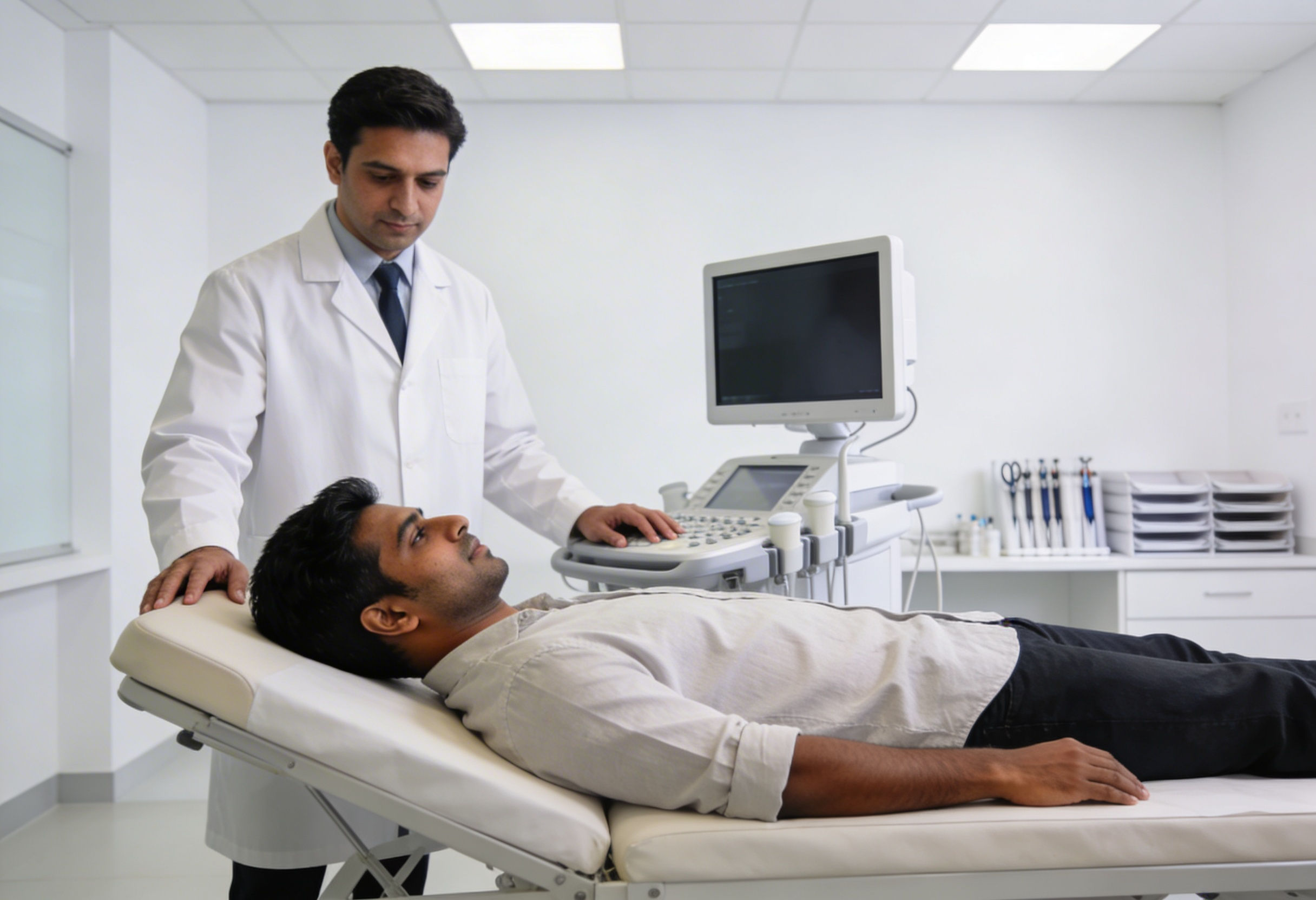
Related service: Ultrasound guided prolotherapy at ARKA Anugraha Hospital ensures precise delivery and minimizes discomfort by visualizing needle placement in real time.
The Post Treatment Journey: Understanding the Healing Flare
What happens after the procedure is where patient education becomes crucial. The pattern of sensations you experience over the days and weeks following treatment is predictable and represents your body progressing through healing phases.
Immediately after the injection, while the local anesthetic is still working, you might feel surprisingly good. Some patients leave the office thinking the treatment was completely painless. This honeymoon period lasts a few hours as the numbing medication gradually wears off.
The healing flare typically begins 12 to 24 hours after treatment and peaks around 48 hours. This is when the controlled inflammation you deliberately created reaches its maximum intensity. Your body interprets the injection as a signal that fresh injury has occurred, mobilizing immune cells to the area. This produces the classic signs of inflammation: increased warmth, swelling, stiffness, and soreness.
Patients describe this phase in various ways. The treated area feels achy, similar to how muscles feel the day after an intense workout. The joint feels stiff and full, as though it is slightly swollen from the inside. Movement through the full range of motion may be uncomfortable. If your knee was treated, climbing stairs might feel difficult. If your shoulder was treated, reaching overhead might produce a deep ache.
This is the phase that concerns patients most, but understanding what is happening makes it bearable. Your white blood cells have arrived and are releasing growth factors that will stimulate repair. Blood flow to the area has increased, bringing oxygen and nutrients. Your body is working hard, and that work produces sensation. This is exactly what you want to happen.
By day three to five, the acute inflammation begins subsiding. The intense soreness mellows into a background stiffness. Many patients report feeling noticeably better than their pre treatment baseline during this window, as the inflammation itself temporarily stabilizes the joint.
However, weeks two through four can bring a plateau or even slight return of symptoms. This confuses patients who expect steady linear improvement. What is happening is that the initial inflammatory swelling, which provided some stability, has resolved. Your new collagen is forming but not yet mature enough to fully support the joint. This dip is temporary and expected. Knowing about it in advance prevents discouragement.
From week four onward, real structural improvement becomes apparent. The newly deposited collagen matures and organizes. The ligaments tighten. Joint stability improves. Each treatment session builds upon the previous one, and patients typically report progressive reduction in their chronic pain with cumulative improvement in function.
Read next: Understanding the timeline of healing after regenerative treatments at ARKA Anugraha Hospital.
Managing Discomfort Without Sabotaging Healing
The most critical instruction patients receive is what not to do after prolotherapy. Taking the wrong pain medication can completely neutralize your treatment by blocking the very processes you paid to activate.
Anti inflammatory medications like ibuprofen, naproxen, aspirin, and similar drugs work by inhibiting enzymes called COX1 and COX2. These enzymes produce prostaglandins, chemical messengers that trigger inflammation. When you block prostaglandin production, you stop inflammation in its tracks. This is helpful for conditions caused by excessive inflammation like an acute injury. But prolotherapy depends on inflammation to work. The inflammatory response recruits growth factors, activates repair cells, and stimulates collagen production. Taking anti inflammatory medication after prolotherapy is like paying for a fire to warm your house and then immediately dousing it with water.
Instead, simple pain relievers like paracetamol or acetaminophen are recommended. These work through different mechanisms in your brain and spinal cord to reduce pain perception without blocking the inflammatory healing cascade in your tissues. Most patients find this adequate for managing the post treatment soreness.
Heat therapy is encouraged and highly effective. Warm baths, heating pads, or warm compresses increase blood flow to the treated area, supporting the healing process while providing comfort. The warmth helps relax muscle spasms that often accompany the inflammation.
Ice is generally discouraged, though opinions vary among practitioners. The concern is that ice causes blood vessels to constrict, reducing blood flow precisely when you want increased circulation bringing healing cells to the area. If you absolutely need cooling relief, limit ice application to 10 minutes at a time.
Gentle movement is important during recovery. Complete bed rest is not recommended. Walking, light stretching, and moving the joint through comfortable ranges help distribute the prolotherapy solution and begin aligning the new collagen fibers that will form. However, high impact activities, heavy lifting, and strenuous exercise should be avoided for three to five days after each treatment to avoid stressing tissues in their vulnerable inflammatory phase.
When Discomfort Signals a Problem
While post treatment soreness is expected and healthy, certain symptoms warrant immediate medical attention. Learning to distinguish normal healing discomfort from concerning signs is important.
Normal sensations include a deep ache, stiffness, a feeling of fullness or pressure, warmth without excessive heat, and discomfort that gradually improves after the first 48 to 72 hours. These indicate healing is proceeding as expected.
Concerning symptoms include severe, sharp pain that worsens rather than improves after day three, significant swelling with visible redness and heat suggesting infection, fever or chills, numbness or tingling that persists beyond a few hours after treatment, or severe weakness that does not resolve. These symptoms are rare but require evaluation to rule out infection or other complications.
At ARKA Anugraha Hospital, we provide patients with clear contact information and instructions about when to call with concerns. Most soreness resolves with time, heat, and appropriate pain management, but we would rather evaluate something that turns out to be normal healing than miss a genuine problem.
How Many Sessions and What Recovery Pattern
Most conditions require three to six prolotherapy sessions spaced four to six weeks apart. This interval is not arbitrary. It matches your body’s biological healing timeline, allowing the inflammatory and proliferative phases to complete before administering the next stimulus.
The recovery experience often improves with subsequent treatments. Your first session introduces your body to the process. The inflammatory response may be robust as your immune system reacts to the unexpected stimulus. By your second and third sessions, your body has adapted somewhat. Many patients report that later injections produce less intense flares and faster recovery.
Cumulative improvement is the rule rather than the exception. After your first treatment, you might notice 20 to 30 percent improvement. The second treatment builds upon that foundation, bringing you to 50 or 60 percent better. By your third or fourth treatment, many patients report 70 to 80 percent reduction in their chronic pain with significantly improved function.
This progressive pattern helps patients tolerate the temporary discomfort of each session. Seeing concrete improvement between treatments provides motivation to continue through the full course.
Individual Factors That Influence Your Experience
Not everyone experiences prolotherapy discomfort identically. Several factors influence how much soreness you feel and how quickly you recover.
Pain tolerance varies significantly between individuals. What one person rates as mildly uncomfortable, another might find quite painful. This does not predict treatment success. It simply reflects different nervous system sensitivities. Your physician takes your personal tolerance into account when planning the injection protocol.
The location being treated matters. Some areas are naturally more sensitive than others. Injections into the spine or sacroiliac joints, where nerves are densely concentrated, may produce more intense sensations than knee or elbow treatments. Larger joints that accommodate more solution volume may feel fuller and tighter afterward.
The severity and chronicity of your condition influences the healing response. Someone with mild ligament laxity may have a less intense inflammatory reaction than someone with severe, long standing instability. More damaged tissue requires more extensive repair, which can translate to more pronounced soreness during the rebuilding process.
Your overall health status plays a role in healing and discomfort. As discussed in our previous articles, factors like thyroid function, blood sugar control, and gut health affect tissue repair capacity. Patients who optimize these factors before beginning prolotherapy often report smoother recovery with less prolonged soreness.
Anxiety and fear amplify pain perception. This is well documented in medical literature. Patients who are extremely anxious about the procedure often report more discomfort than those who are calm and informed. This is why detailed education about what to expect is so important. Knowledge reduces fear, and reduced fear reduces pain.
The Value Proposition: Trading Temporary for Permanent Relief
Ultimately, the decision to proceed with prolotherapy involves weighing temporary discomfort against long term gain. Let me be completely transparent about this calculation.
Yes, you will experience procedural discomfort during the injections. Yes, you will likely have several days of increased soreness after each treatment. Yes, you will need to restrict certain activities and avoid medications you might normally use for pain. This is the cost.
The benefit is genuine structural healing that can eliminate or dramatically reduce chronic pain that has limited your life for months or years. Unlike cortisone that provides temporary relief while potentially weakening tissue, or surgery that involves significant risks and lengthy recovery, prolotherapy offers a middle path. The discomfort is measured in days. The improvement can last years or even be permanent.
Consider also the cumulative burden of chronic pain. Patients with long standing knee, back, or shoulder problems often do not fully appreciate how much their pain has cost them until it is gone. They have slowly given up activities they love, modified their lifestyle to accommodate limitations, and accepted a reduced quality of life. They take daily medications that upset their stomach or worry about potential side effects. They live with the constant low level stress of wondering how badly they will hurt tomorrow.
Against this backdrop, a few days of soreness after each of three to five treatments seems a reasonable trade. Most patients report that the post treatment discomfort, while real, pales in comparison to the chronic pain they had been enduring. And unlike their chronic pain which served no purpose and had no end in sight, the prolotherapy soreness has meaning. It represents the active process of healing.
Real Patient Perspectives
Let me return to Deepak, whose story opened this article. After his consultation where we discussed exactly what to expect, he decided to proceed. His first knee prolotherapy session involved about 12 injections around his knee joint targeting loose collateral ligaments and the joint capsule.
He described the procedure as uncomfortable but manageable, rating it a 4 out of 10 for discomfort. The local anesthetic worked well, and the main sensation was pressure and fullness in his knee. That evening and the next day, his knee felt stiff and sore. He used heat packs and took paracetamol, avoiding the ibuprofen he would normally have reached for.
By day three, the acute soreness had significantly improved. He continued noticing that his baseline pain was somewhat better than before treatment. After his third session spaced six weeks apart, Deepak reported his chronic knee pain had reduced by about 75 percent. He could walk longer distances, climb stairs comfortably, and had returned to recreational badminton which he had given up years earlier.
When asked if he would do it again knowing what he now knows about the discomfort, his answer was immediate: absolutely. The few days of soreness after each treatment were, in his words, a small price to pay for getting his active life back.
This perspective is common among patients who complete prolotherapy courses. Looking back, most say the anticipation of pain was worse than the reality, and the temporary discomfort was entirely worthwhile for the lasting improvement gained.
Making Your Decision
If you are considering prolotherapy but concerned about pain, several points may help your decision.
First, be honest with yourself about your current quality of life. How much is chronic pain limiting you? What activities have you given up? What is the emotional and physical toll of living with persistent discomfort? Often, framing the question this way makes the temporary nature of procedural discomfort seem more acceptable.
Second, understand that prolotherapy discomfort is time limited and predictable. You know what to expect, when the soreness will peak, and when it will improve. Your chronic pain has been unpredictable, potentially worsening over time with no clear endpoint. There is psychological comfort in discomfort that has a purpose and a timeline.
Third, consider the alternatives. Continuing with ineffective conservative care means ongoing suffering without resolution. Repeated cortisone injections provide temporary relief but may accelerate tissue degeneration. Surgery involves significant pain during recovery, plus risks of complications and no guarantee of success. Against these options, prolotherapy’s discomfort profile is quite favorable.
Fourth, remember that you are not alone in the experience. Thousands of patients have undergone prolotherapy successfully. Your medical team at ARKA Anugraha Hospital has extensive experience managing post treatment discomfort and will provide you with detailed instructions, support, and availability to address concerns.
Finally, recognize that pain tolerance is personal and no one will judge you for finding the procedure uncomfortable. Your feelings are valid, and your medical team will work with you to minimize discomfort through local anesthesia, proper injection technique, and supportive aftercare.
For patients who have exhausted conservative options and want to avoid surgery, prolotherapy offers hope for genuine healing rather than temporary suppression. The journey includes temporary discomfort, but it is discomfort with purpose, marking your body’s return to the work of repair that had stalled for too long.
FREQUENTLY ASKED QUESTIONS
- How painful is the prolotherapy injection itself during the actual procedure? Most patients rate the procedural discomfort as 3 to 5 on a 10 point pain scale. The prolotherapy solution contains local anesthetic like lidocaine that numbs the area within seconds, making subsequent injections progressively less uncomfortable. The main sensation is pressure or fullness rather than sharp pain. The brief needle insertion feels similar to having blood drawn, and the technique is generally well tolerated without sedation.
- What does the healing flare feel like and how long does it last? The healing flare is a deep ache and stiffness in the treated area, similar to muscle soreness after intense exercise. It typically begins 12 to 24 hours after treatment, peaks around 48 hours, and substantially improves by day three to five. You may feel warmth, fullness, and reduced range of motion during this phase. This soreness confirms your immune system has activated and healing has begun.
- Why absolutely cannot I take ibuprofen or aspirin after prolotherapy treatment? These anti-inflammatory medications work by blocking prostaglandins, the chemical signals that trigger inflammation. Prolotherapy depends entirely on controlled inflammation to recruit growth factors, activate repair cells, and stimulate collagen production. Taking NSAIDs essentially cancels your treatment by stopping the healing cascade you paid to activate. Use paracetamol or acetaminophen instead, which manage pain without blocking inflammatory healing processes.
- Will each subsequent prolotherapy session hurt as much as the first one? Most patients report that later treatments produce less intense discomfort. Your first session introduces your body to the process and may generate a robust inflammatory response. By your second and third sessions, your body has adapted somewhat, and many patients experience less pronounced flares and faster recovery. The cumulative improvement you notice between treatments also makes any temporary soreness more psychologically bearable.
- How do I know if my post treatment pain is normal healing versus a complication? Normal healing involves a deep ache, stiffness, warmth, and fullness that peaks at 48 hours then gradually improves. Concerning signs include severe sharp pain worsening after day three, significant swelling with visible redness suggesting infection, fever or chills, persistent numbness lasting beyond a few hours, or severe weakness. These rare symptoms warrant immediate medical evaluation while normal soreness resolves with time, heat, and appropriate pain management.
- Can I drive myself home after prolotherapy or will I be too uncomfortable? For upper body treatments like shoulder or elbow, most patients can drive home without difficulty. For lower extremity or spinal injections, we recommend arranging a driver because local anesthetic can temporarily affect leg strength and position sense for a few hours, making driving unsafe. The procedural discomfort itself is not typically severe enough to prevent driving, but the temporary numbness from anesthetic is the concern.
- What pain management options do I have during the recovery period? Use paracetamol or acetaminophen for pain relief, apply heat therapy like warm baths or heating pads to increase blood flow and relax muscles, perform gentle movement and stretching to prevent stiffness while avoiding high impact activities for three to five days, and rest as needed without complete immobilization. Avoid ice if possible as it constricts blood vessels, and absolutely avoid anti inflammatory medications that sabotage the healing process.
- Is the temporary discomfort worth it compared to my chronic pain? Most patients who complete prolotherapy treatment emphatically say yes. The post treatment soreness lasts just a few days after each session and has purpose, representing active healing rather than meaningless suffering. Against years of chronic pain that limits your life, reduces your activities, and has no clear endpoint, a few days of purposeful discomfort per treatment session is a reasonable trade. Many patients report the anticipation was worse than the reality.
Explore Arka Recipes
Discover recipes that blend taste with health, crafted by our experts for your well-being.
Arka Diagnostics
Discover groundbreaking diagnostic services exclusive to India, now available at Arka Health, Bangalore