
Inguinal Hernia (Groin): Signs, Causes & Basic Treatment

Published on: 12/Aug/2025
Posted By: Arka Health

Inguinal Hernia (Groin): Signs, Causes & Basic Treatment
Introduction: Understanding That Persistent Groin Pain
You feel a dull ache in your groin after a long day on your feet, or maybe you’ve noticed an unusual bulge that appears when you cough or lift something heavy. For many active individuals in Bengaluru, these subtle signs are often dismissed as a simple muscle strain. However, they could be the first indicators of an inguinal hernia, the most common type of hernia, especially among men.
An inguinal hernia is more than just a strain; it’s a physical condition where tissue, such as part of the intestine, pushes through a weak spot in the lower abdominal muscles. It won’t heal on its own and can lead to significant discomfort and complications if ignored. Understanding the signs, causes, and modern treatment options is the first step toward lasting relief.
This guide offers a clear, comprehensive overview of the inguinal hernia, tailored for residents of Bengaluru seeking reliable information and expert care. At ARKA Anugraha Hospital, we believe in empowering our patients with knowledge. As a designated ‘Centre of Excellence in Hernia Surgery’ by the Asia Pacific Hernia Society and the Hernia Society of India, our mission is to provide not only world-class surgical care but also a holistic, integrative path to a full and speedy recovery.
What Is an Inguinal Hernia and Where Does It Occur?

A Simple Definition of a Groin Bulge
An inguinal hernia happens when internal tissue pushes through a weak point in the abdominal wall and into a passage called the inguinal canal.2 This canal is located in the groin – the area between your lower abdomen and thigh. In men, it’s where the spermatic cord passes from the abdomen to the scrotum; in women, it contains the round ligament that supports the uterus.
When tissue protrudes through this weak spot, it creates a visible groin bulge, which is the classic sign of this condition. An inguinal hernia is the most common type of hernia by a significant margin, accounting for about 75% of all abdominal wall hernias.
Who Is Most at Risk?
While anyone can develop an inguinal hernia, certain factors dramatically increase the risk.
- Sex: Men are 8 to 10 times more likely to develop an inguinal hernia than women. This is due to the way the male body develops, which can leave a natural weakness in the inguinal canal after the testicles descend.
- Age: Muscles naturally weaken as we get older, increasing susceptibility.
- Family History: Having a close relative with an inguinal hernia increases your own risk.
- Chronic Strain: Any condition that repeatedly increases pressure in the abdomen can contribute to a hernia. This includes a chronic cough (often from smoking), straining during bowel movements due to constipation, and strenuous physical activity or heavy lifting.
- Other Factors: Obesity and pregnancy can also weaken the abdominal muscles and increase internal pressure.
Recognizing the Signs: Common Inguinal Hernia Symptoms
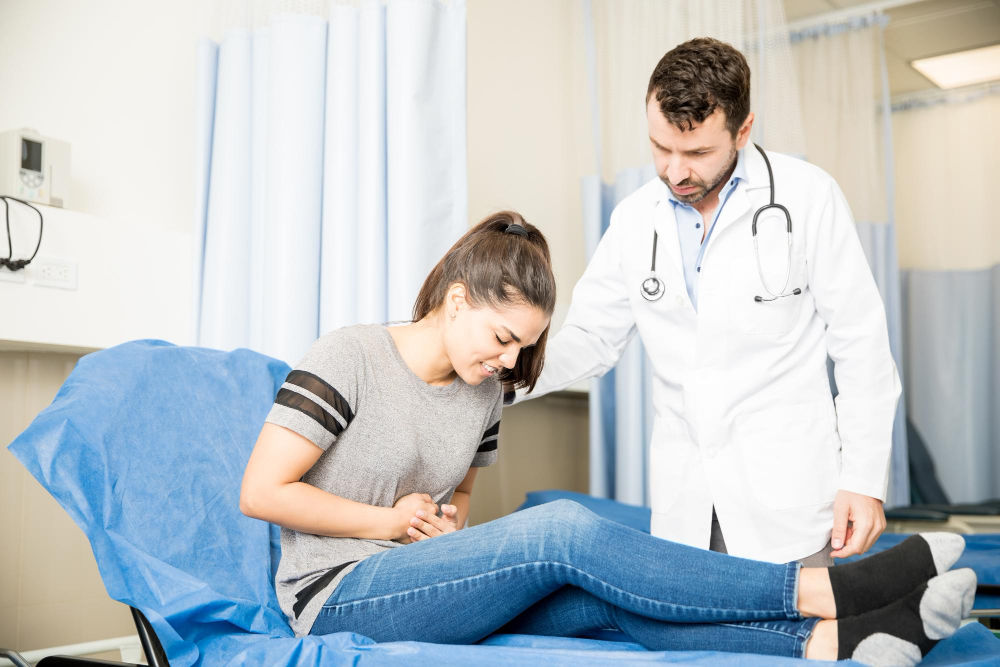
The signs of an inguinal hernia can range from subtle discomfort to a noticeable bulge. The inguinal hernia symptoms can also present differently in men and women.
Typical Symptoms in Men
For men, the symptoms are often more apparent and may include:
- A Visible Groin Bulge: The most common sign is a lump on either side of the pubic bone. This bulge often becomes more prominent when standing, coughing, or straining, and may disappear when lying down.
- Pain or Discomfort: A dull ache, pressure, or a feeling of heaviness in the groin is common. This discomfort often worsens with activities like bending over, coughing, or lifting.
- Burning or Aching Sensation: Some men describe a burning or dragging sensation around the bulge.
- Scrotal Swelling: In some cases, the protruding tissue can descend into the scrotum, causing pain and swelling around the testicles.
How Inguinal Hernia Symptoms Can Differ in Women
Although less common, women can and do get inguinal hernias. Their symptoms are often more subtle and can be overlooked or misdiagnosed.
- Pain Without a Bulge: Women may experience a sharp, aching, or burning pain in the groin without a visible groin bulge. The hernia can be smaller and deeper within the body.
- Risk of Misdiagnosis: Because of the nature of the pain and the absence of a clear lump, inguinal hernia symptoms in women are sometimes mistaken for gynecological issues like ovarian cysts or endometriosis, which can delay proper diagnosis and treatment.
When to Seek Emergency Care
An inguinal hernia becomes a medical emergency if it gets “incarcerated” (trapped) or “strangulated” (the blood supply is cut off).
Seek immediate medical help if you have a hernia and experience:
- Sudden, severe, and worsening pain
- Nausea and vomiting
- Fever
- A hernia bulge that turns red, purple, or dark
- An inability to pass gas or have a bowel movement
If you suspect you have an inguinal hernia, a medical evaluation is essential. The diagnosis is usually straightforward, and effective treatment is available.
How a Doctor Diagnoses a Groin Hernia
In most cases, a simple physical exam is all that’s needed for a diagnosis. Your doctor will check the groin area for a bulge and will likely ask you to stand and cough or strain, which typically makes the hernia more prominent and easier to feel. If the diagnosis is uncertain, especially in women who may not have a visible bulge, an imaging test like an ultrasound or MRI may be ordered to confirm the presence of a hernia.
Understanding Your Repair Options
An inguinal hernia will not go away on its own; surgery is the only way to permanently repair the weak spot in the muscle wall. The two main surgical approaches are:
- Open Hernia Repair: This is the traditional method, where the surgeon makes a single incision over the hernia site. The protruding tissue is pushed back into place, and the weakened muscle wall is repaired, often with a piece of surgical mesh for reinforcement.
Laparoscopic Inguinal Repair (Minimally Invasive): This modern technique is often called “keyhole surgery.” The surgeon makes a few small incisions and inserts a laparoscope—a thin tube with a camera—to view the hernia from the inside. The repair is performed with specialized instruments, and a mesh is placed to reinforce the abdominal wall. This approach is the preferred method for many patients as it typically results in less pain, minimal scarring, and a much faster recovery.
The ARKA Anugraha Advantage for Inguinal Hernia Treatment in Bangalore
When it comes to hernia surgery, the expertise of the surgical team and the quality of the hospital are paramount. In Bengaluru, ARKA Anugraha Hospital is a premier institution for hernia care, recognized as a ‘Centre of Excellence in Hernia Surgery’ by both the Asia Pacific Hernia Society and the Hernia Society of India.
Our surgical center is led by pioneers in minimally invasive surgery who specialize in advanced techniques, including laparoscopic inguinal repair. This focus on cutting-edge technology provides significant benefits to our patients, including smaller incisions, less post-operative pain, and a quicker return to daily activities. Our optimized recovery protocols often allow patients to return home in less than 24 hours, reducing stress and promoting faster healing.
What truly distinguishes ARKA Anugraha Hospital is our unique integrative and functional medicine approach. We believe that surgery is just one part of the healing journey. Our philosophy is to treat the whole person, not just the hernia. We support our surgical patients with:
- Holistic Pain Management: We go beyond standard pain medication, integrating evidence-based therapies like acupuncture and guided meditation to minimize post-surgical discomfort.
- Nutritional Optimization: Our team provides nutritional guidance to support your body’s natural healing processes and prevent issues like constipation that can strain the surgical repair.
Personalized, Compassionate Care: From your initial consultation to your final follow-up, our world-class team of surgeons, nurses, and support staff provides care that is tailored to your individual needs, ensuring you feel supported every step of the way.
Frequently Asked Questions (FAQ)
Q1: Can an inguinal hernia heal without surgery?
A: No. An inguinal hernia is a physical opening in the muscle wall and cannot heal on its own. While some small, asymptomatic hernias in men can be monitored, surgery is the only way to permanently fix the defect and prevent potential complications.
Q2: How painful is a laparoscopic inguinal repair?
A: Laparoscopic surgery is significantly less painful than traditional open surgery. Post-operative discomfort is normal but is well-managed with medication. At ARKA Anugraha Hospital, most of our patients are off prescription pain medication within a few days of their procedure.
Q3: What is the recovery time after inguinal hernia surgery?
A: With a laparoscopic inguinal repair, most people can return to light activities and desk work within one to two weeks. Strenuous activities and heavy lifting should be avoided for at least four to six weeks to allow the area to heal completely.
Q4: Why should I choose ARKA Anugraha for inguinal hernia treatment in Bangalore?
A: ARKA Anugraha Hospital is an accredited ‘Centre of Excellence in Hernia Surgery’. We offer world-class expertise in minimally invasive laparoscopic surgery, which leads to less pain and a faster recovery. Our unique integrative medicine approach supports your entire healing journey with holistic pain management and personalized care plans, ensuring the best possible outcome and a more comfortable recovery.
Explore Arka Recipes
Discover recipes that blend taste with health, crafted by our experts for your well-being.
Arka Diagnostics
Discover groundbreaking diagnostic services exclusive to India, now available at Arka Health, Bangalore