
Histamine Intolerance and Gut Health: The Hidden Driver of Chronic Digestive Dysfunction

- Published on: 24/Dec/2025
- Posted By: Arka Health
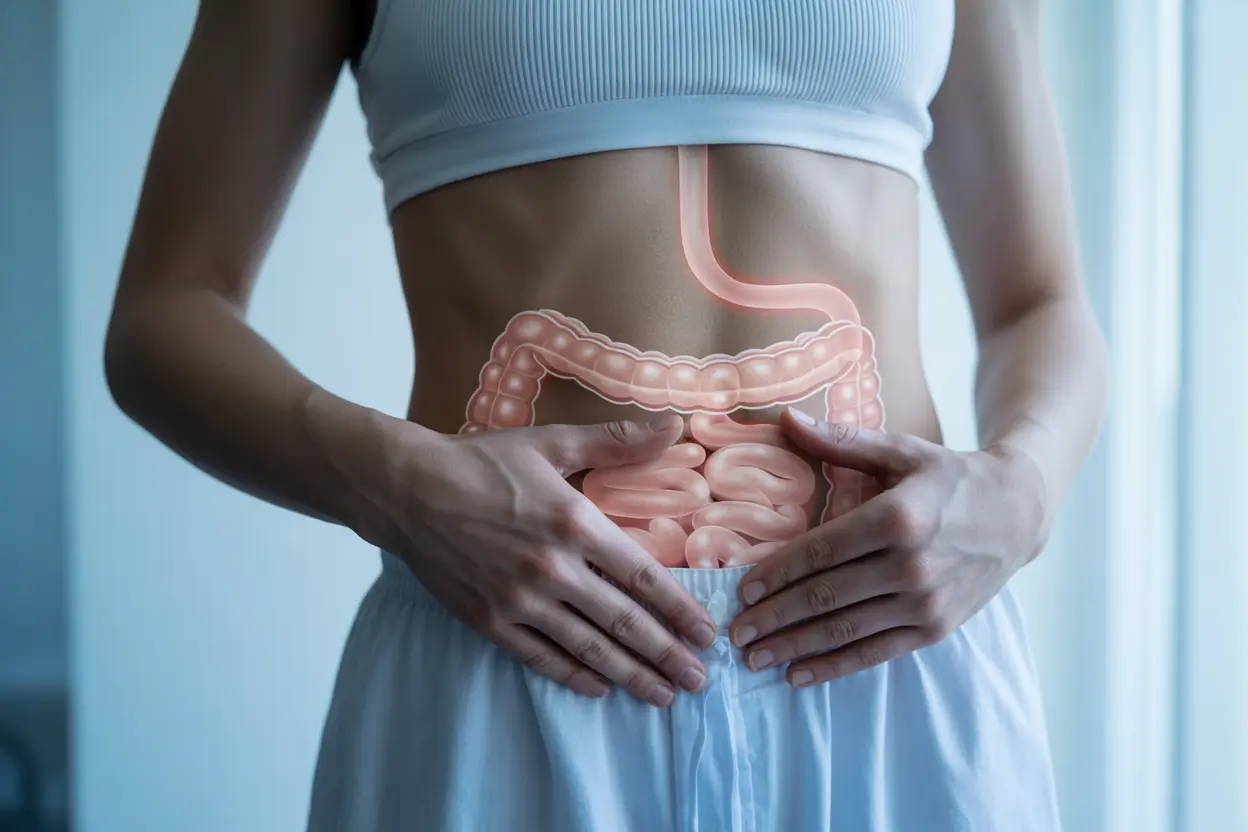
Chronic digestive symptoms that do not respond to standard IBS treatments often leave patients frustrated and confused. Bloating after meals, sudden diarrhea, unexplained anxiety, migraines, flushing, palpitations, or worsening symptoms around the menstrual cycle are frequently dismissed as stress related or functional. Yet for a significant subset of patients, the underlying issue is not IBS, anxiety, or food allergy. It is histamine intolerance.
Histamine intolerance is a metabolic condition in which the body is unable to adequately break down histamine, leading to a cumulative overload that affects multiple organ systems. The gut is often the first and most severely affected site because histamine is both consumed through food and produced by gut bacteria.
Understanding histamine intolerance requires moving beyond symptom labels and examining gut function, microbiome balance, enzyme activity, hormones, and nervous system regulation.
What Is Histamine and Why Does It Matter
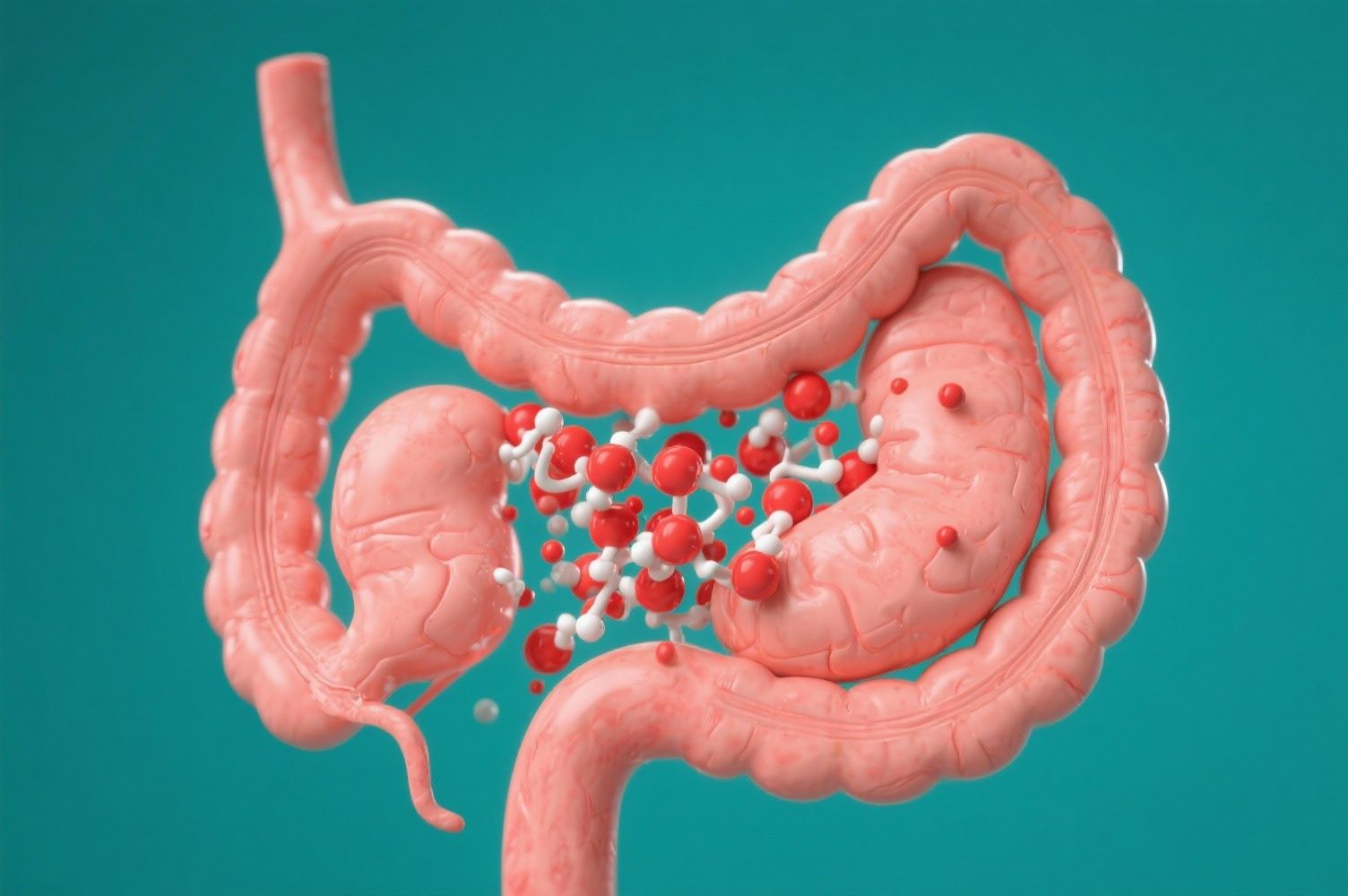
Histamine is a naturally occurring biogenic amine derived from the amino acid histidine. It plays essential roles in normal physiology, including:
- Stimulating stomach acid for digestion
- Regulating wakefulness and alertness in the brain
- Supporting immune defense during acute inflammation
- Influencing blood vessel tone and permeability
In healthy individuals, histamine levels are tightly regulated. Excess histamine is rapidly broken down before it can cause symptoms.
Problems arise when histamine production or intake exceeds the body’s ability to degrade it.
Histamine Intolerance Explained
Histamine intolerance is not an allergy. It is a metabolic imbalance between histamine accumulation and histamine breakdown.
Unlike IgE-mediated food allergies, histamine intolerance is dose dependent and cumulative. Symptoms may appear only when the total histamine load crosses an individual threshold.
This explains why a food may be tolerated one day and trigger symptoms another day depending on stress, hormones, sleep, medications, or gut health.
Histamine Intolerance Explained
Histamine intolerance is not an allergy. It is a metabolic imbalance between histamine accumulation and histamine breakdown.
Unlike IgE-mediated food allergies, histamine intolerance is dose dependent and cumulative. Symptoms may appear only when the total histamine load crosses an individual threshold.
This explains why a food may be tolerated one day and trigger symptoms another day depending on stress, hormones, sleep, medications, or gut health.
The Histamine Bucket Concept
Histamine intolerance is often explained using the bucket analogy:
- The inflow includes histamine from food, histamine produced by gut bacteria, and histamine released internally by mast cells
- The drain represents histamine-degrading enzymes
When the inflow exceeds the drain capacity, symptoms occur.
The size of the bucket and the efficiency of the drain vary between individuals.
Histamine Receptors and Symptom Diversity
- Located in blood vessels, gut smooth muscle, airways, and brain
- Activation causes cramping, diarrhea, itching, flushing, anxiety, and headaches
- Located in stomach and heart
- Activation increases stomach acid and can cause palpitations or reflux
- Located in the nervous system
- Regulate wakefulness and neurotransmitter release
- Dysregulation leads to insomnia, anxiety, and brain fog
- Located in immune cells and intestinal nerves
- Involved in visceral pain and gut inflammation
- Strongly linked to IBS-like pain patterns
The Role of DAO and HNMT Enzymes
Diamine Oxidase (DAO)
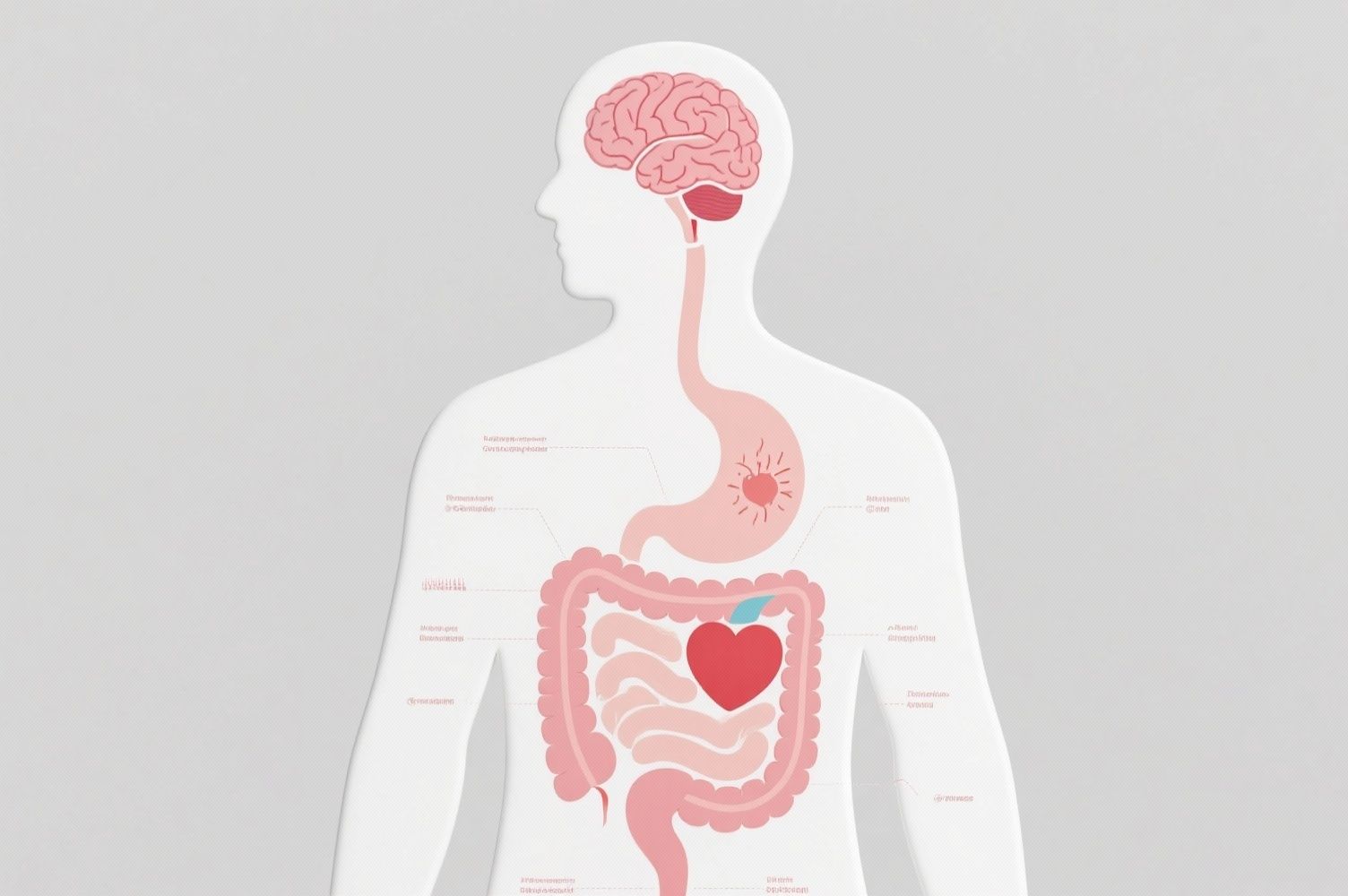
DAO is the primary enzyme responsible for breaking down dietary histamine. It is produced in the small intestine and acts as a protective barrier that prevents histamine from entering circulation.
Low DAO activity allows dietary histamine to pass directly into the bloodstream, triggering systemic symptoms.
DAO activity depends on:
- Intestinal lining integrity
- Adequate copper and vitamin B6 levels
- Absence of enzyme-blocking medications
Histamine N-Methyltransferase (HNMT)
HNMT breaks down histamine inside tissues such as the brain and liver. Variations in this enzyme influence neurological and hormonal symptoms but are less responsible for digestive intolerance.
Root Causes of Histamine Intolerance
Certain gut bacteria actively produce histamine. When these bacteria overgrow, especially in the small intestine, histamine production increases dramatically while damaging the intestinal lining where DAO is made.
Common histamine-producing bacteria include Morganella, Klebsiella, Enterococcus, and certain Lactobacillus strains.
Inflammation, infections, stress, and food sensitivities damage tight junctions in the gut lining. This reduces DAO production and allows histamine and endotoxins to enter circulation.
Estrogen stimulates mast cell histamine release and suppresses DAO activity. This explains why histamine intolerance is more common in women and often worsens during ovulation, premenstrual phases, and perimenopause.
Many commonly used drugs inhibit DAO, including:
- NSAIDs
- Certain antibiotics
- Antidepressants
- Blood pressure medications
Alcohol is both high in histamine and a strong DAO inhibitor.
Stress activates mast cells through CRF signaling, leading to endogenous histamine release and increased gut permeability.
Symptoms of Histamine Intolerance
Digestive Symptoms
- Bloating and distension after meals
- Sudden post-meal diarrhea
- Abdominal cramping
- Reflux resistant to acid suppression
Neurological Symptoms
- Migraines and headaches
- Anxiety and panic sensations
- Brain fog
- Insomnia
Skin Symptoms
- Flushing
- Itching without rash
- Hives or swelling
Cardiovascular Symptoms
- Palpitations
- Rapid heart rate after meals
- Dizziness from blood pressure changes
Hormonal Symptoms
- Severe PMS
- Menstrual cramping
- Cycle-linked symptom flares
Why Histamine Intolerance Is Often Misdiagnosed as IBS
Many patients diagnosed with IBS-D or IBS-M have underlying histamine intolerance. Standard IBS treatments often fail because they do not address histamine production, degradation, or mast cell activation.
Common mistakes include:
- Prescribing histamine-producing probiotics
- Recommending fermented foods
- Labeling symptoms as anxiety
Ignoring diet-enzyme-microbiome interactions
Diagnosing Histamine Intolerance
There is no single definitive test.
Diagnosis relies on:
- Clinical history
- Serum DAO levels
- Response to low histamine elimination diet
- Structured food reintroduction
Symptom improvement during elimination followed by symptom recurrence during reintroduction strongly supports diagnosis.
Treatment Principles
Low Histamine Diet
Fresh foods, avoidance of fermentation, freezing leftovers immediately, and minimizing histamine liberators are foundational.
Gut Restoration
Treating SIBO, correcting dysbiosis, repairing intestinal lining, and using histamine-safe probiotic strains are essential.
DAO Supplementation
DAO enzymes can be used strategically before meals to improve tolerance while healing occurs.
Mast Cell Stabilization
Natural compounds such as quercetin, vitamin C, and luteolin help reduce histamine release.
Nervous System Regulation
Sleep, stress management, and vagal tone support reduce histamine release from mast cells.
How Integrative Care Supports Recovery

At Arka Anugraha Hospital, histamine intolerance is approached as a systems-level condition rather than a food list problem. Under the guidance of Dr Gaurang Ramesh, evaluation focuses on gut function, microbiome balance, enzyme capacity, hormonal influences, and nervous system regulation.
The goal is not lifelong restriction but restoring tolerance by addressing root causes.
How ARKA Anugraha Hospital Supports Digestive Health
At ARKA Anugraha Hospital, digestive care integrates conventional gastroenterology with functional and lifestyle-based strategies. Under the guidance of Dr Gaurang Ramesh, evaluation focuses on accurate diagnosis, mechanism-based treatment, and long term gut health rather than symptom suppression alone.
This approach is particularly valuable for patients with IBS, IBD in remission with persistent symptoms, or complex overlapping conditions.
Conclusion
Histamine intolerance is a hidden driver of chronic digestive and systemic symptoms. It sits at the intersection of gut health, immune regulation, hormones, and the nervous system.
When properly identified and managed, symptoms that once seemed unpredictable and overwhelming often become manageable and reversible.
Understanding histamine intolerance is often the missing link between years of unexplained IBS symptoms and lasting improvement.
FAQs
Can histamine intolerance cause IBS-like symptoms
Yes. Histamine intolerance commonly mimics IBS-D and IBS-M through visceral hypersensitivity and gut motility changes.
Is histamine intolerance permanent
Not always. Many cases improve once gut health, DAO activity, and triggers are addressed.
Can probiotics worsen histamine intolerance
Yes. Certain probiotic strains produce histamine and can worsen symptoms.
Why do symptoms worsen around periods
Estrogen increases histamine release and reduces DAO activity.
Does cooking destroy histamine
No. Histamine is heat stable. Freshness matters more than cooking method.
Is histamine intolerance the same as MCAS
No. Histamine intolerance is primarily a breakdown issue, while MCAS involves uncontrolled mast cell release.
Can stress alone trigger symptoms
Yes. Stress directly activates mast cells and increases gut permeability.
Is histamine intolerance recognized medically
It is increasingly recognized, though still underdiagnosed in conventional practice.
Explore Arka Recipes
Discover recipes that blend taste with health, crafted by our experts for your well-being.

Arka Diagnostics
Discover groundbreaking diagnostic services exclusive to India, now available at Arka Health, Bangalore