


That persistent burning sensation in your chest after a meal, the uncomfortable feeling of acid rising in your throat—for many in the high-pressure environment of Bengaluru, these are all-too-familiar signs of heartburn and acid reflux. While often attributed to spicy food or stress, there can be an underlying anatomical reason: a hiatal hernia.
A hiatal hernia is a common but often misunderstood condition where the upper part of your stomach pushes up through a small opening in your diaphragm and into your chest. Unlike hernias that cause a visible bulge on the outside of your body, this one is internal. Because it directly affects the barrier between your stomach and esophagus, it is a major contributor to chronic acid reflux, also known as gastroesophageal reflux disease (GERD).
Understanding this condition is the first step toward finding lasting relief. This guide will explain the different types of hiatal hernias, the direct link between a reflux from hernia and your symptoms, and the modern treatment options available. For those seeking expert care, ARKA Anugraha Hospital in Bengaluru stands as a premier institution, recognized as a ‘Centre of Excellence in Hernia Surgery’, offering a unique blend of advanced surgical techniques and holistic, integrative care to address not just the hernia, but your overall digestive wellness.
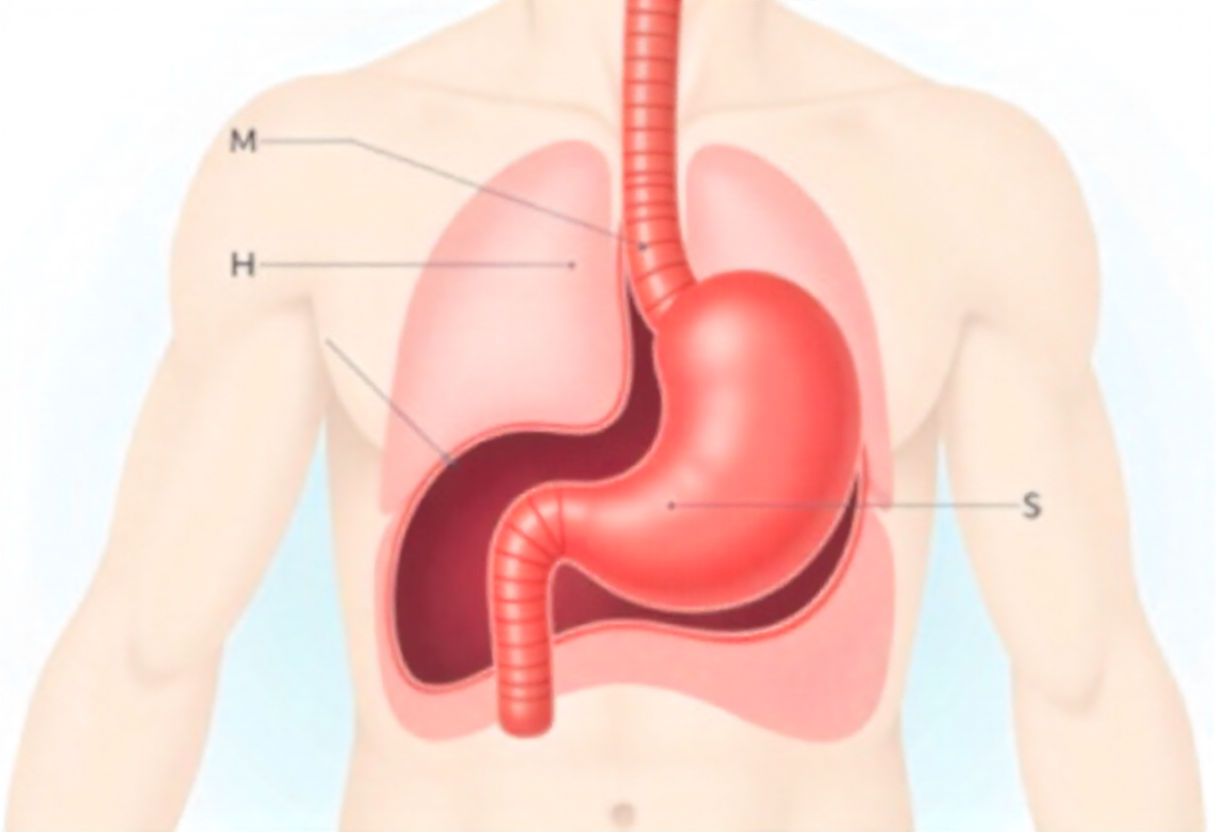
A hiatal hernia occurs at the hiatus, the natural opening in the diaphragm where your esophagus passes through to connect to your stomach. There are four types, which are broadly grouped into two main categories: sliding and paraesophageal.
The vast majority of cases up to 95% are Type I, or sliding, hiatal hernias. In this type, the junction where the esophagus meets the stomach (the gastroesophageal junction) and the upper part of the stomach “slide” up into the chest through the hiatus.6 This movement is often intermittent, which can lead to symptoms that come and go. This is the type most closely associated with GERD and heartburn symptoms.
Collectively known as paraesophageal hernias, Types II, III, and IV are less common but are generally more cause for concern.
While sliding hernias are primarily linked to reflux, paraesophageal hernias carry a higher risk of serious complications like obstruction (blockage) or strangulation (when the blood supply is cut off), which may require more urgent surgical attention.
Many people in Bengaluru live with chronic heartburn, but few realize it could be a reflux from hernia. The connection is mechanical and directly impacts your body’s natural defenses against acid.
Your body has a natural anti-reflux barrier at the junction of the esophagus and stomach, which has two main components: the lower esophageal sphincter (LES) and the diaphragm muscle. The LES is a ring of muscle that stays tightly closed to keep stomach acid down, only opening to let food pass through. The diaphragm’s crural muscles wrap around this area, adding external pressure to support the LES.
A hiatal hernia compromises this barrier in several ways:
This disruption is why a hiatal hernia is a primary risk factor for developing chronic GERD and its associated symptoms.
Because a hiatal hernia is so closely linked to GERD, the symptoms are often identical. Many small hernias cause no symptoms at all, but when they do, you may experience:
When to Seek Urgent Care
If a paraesophageal hernia becomes twisted or strangulated, it is a medical emergency. Seek immediate help if you experience:

Treatment for a hiatal hernia depends entirely on the type and the severity of your symptoms.
For most people with a sliding hiatal hernia and mild to moderate hiatal hernia symptoms, treatment begins with managing the reflux. This includes:
Surgery is typically reserved for cases where symptoms are severe and not controlled by other measures, or when there is a risk of serious complications.27 Your doctor may recommend surgery if you have:
The standard surgical procedure for a hiatal hernia is a minimally invasive operation called a laparoscopic Nissen fundoplication. During this “keyhole” surgery, the surgeon makes several small incisions in the abdomen. The stomach is gently pulled back down into the abdomen, the opening in the diaphragm is tightened, and the top of the stomach is wrapped around the lower esophagus to create a new, reinforced valve. This approach offers less pain, minimal scarring, and a much faster recovery compared to traditional open surgery.
When considering surgery, choosing a hospital with deep expertise and a patient-centered philosophy is vital. In Bengaluru, ARKA Anugraha Hospital is a premier institution for hernia care, formally recognized as a ‘Centre of Excellence in Hernia Surgery’.
Our surgical center is led by Dr. M. Ramesh, a trailblazer with over 40 years of experience in laparoscopic surgery, supported by a world-class team specializing in minimally invasive techniques for all types of hernias. This focus on advanced technology means our patients benefit from smaller incisions, less post-operative pain, and a significantly faster return to their daily lives.
What truly sets ARKA Anugraha Hospital apart is our unique integrative and functional medicine approach. Our Integrative Gastroenterology department, led by Dr. Gaurang Ramesh, looks beyond the symptoms to address the root causes of digestive distress. We understand that surgery is just one part of the healing journey. We support our patients with:
Q1: Do all hiatal hernias cause heartburn?
No. Many small sliding hiatal hernias are asymptomatic, meaning they do not cause any noticeable symptoms. Symptoms like heartburn typically arise when the hernia is large enough to significantly weaken the anti-reflux barrier at the bottom of the esophagus.
Q2: Can I treat my hiatal hernia with diet and lifestyle changes alone?
For mild, sliding hiatal hernias, diet and lifestyle changes can be very effective at managing symptoms of acid reflux.4 However, these changes manage the symptoms; they do not cure the hernia itself. The only way to physically repair a hiatal hernia is with surgery.
Q3: How long is the recovery for laparoscopic hiatal hernia surgery?
Recovery from laparoscopic surgery is much faster than from open surgery. Most patients can return to light activities and desk work within one to two weeks. However, you will need to avoid heavy lifting and strenuous activity for several weeks to allow the repair to heal fully.
Q4: What makes ARKA Anugraha Hospital’s approach to hiatal hernia treatment different?
ARKA Anugraha Hospital combines its ‘Centre of Excellence’ status in hernia surgery with a pioneering integrative and functional medicine philosophy. We offer expert-led minimally invasive surgery for a faster, less painful recovery, while also providing holistic support like nutritional counseling and integrative pain management to address the root causes of your symptoms and ensure your long-term well-being.
Discover recipes that blend taste with health, crafted by our experts for your well-being.
Discover groundbreaking diagnostic services exclusive to India, now available at Arka Health, Bangalore