
ECP for Heart Disease: How It Improves Blood Flow and Heart Function

- Published on: 24/Feb/2026
- Posted By: Arka Health
Introduction: A New Paradigm in Cardiovascular Recovery
Heart disease is not simply a problem of blocked pipes. It is a complex biological disorder involving endothelial dysfunction, inflammation, metabolic imbalance, and impaired microcirculation. For decades, cardiology has focused on mechanical correction through angioplasty and bypass surgery. While lifesaving in acute emergencies, these interventions often do not reverse the underlying vascular dysfunction driving disease progression.
ECP therapy for heart disease offers a different approach. Instead of mechanically forcing blood through a single narrowed segment, it stimulates the body to improve circulation naturally, restore endothelial function, and enhance heart performance. This non invasive therapy is often described as a natural bypass because it promotes the formation of collateral vessels that deliver blood to oxygen deprived areas of the heart.
At ARKA Anugraha Hospital, ECP is delivered within an integrative cardiology model that addresses both structural and functional contributors to cardiovascular disease.
Understanding Heart Disease Beyond Blockages

The Endothelium: The Forgotten Organ
The endothelium is the thin inner lining of blood vessels. It regulates vascular tone, controls inflammation, prevents clot formation, and produces nitric oxide, the molecule responsible for vasodilation.
When exposed to high blood sugar, oxidative stress, smoking, hypertension, or insulin resistance, endothelial cells lose their ability to produce nitric oxide efficiently. This state is called endothelial dysfunction. It is the earliest stage of atherosclerosis and precedes visible plaque formation.
ECP therapy for heart disease directly improves endothelial function through mechanical stimulation of blood flow.
Microvascular Dysfunction
Many patients continue to experience chest pain despite normal angiograms or after successful stent placement. This occurs due to microvascular disease, where the small coronary vessels fail to dilate properly.
Stents cannot reach vessels smaller than 1 millimeter in diameter. However, impaired microcirculation significantly reduces oxygen delivery to the myocardium.
ECP improves blood flow in both large and small vessels, making it uniquely effective for microvascular dysfunction.
What is ECP Therapy?
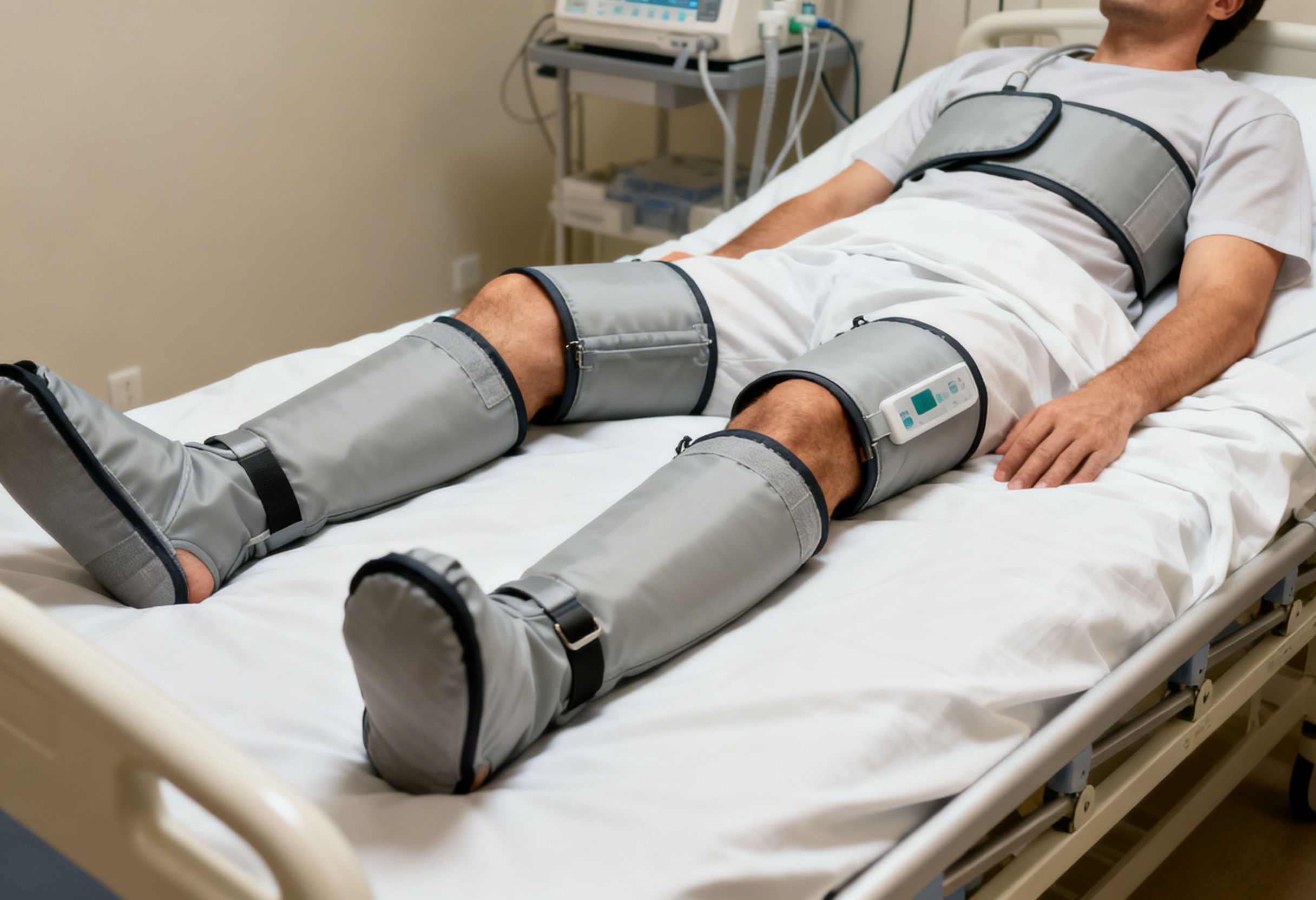
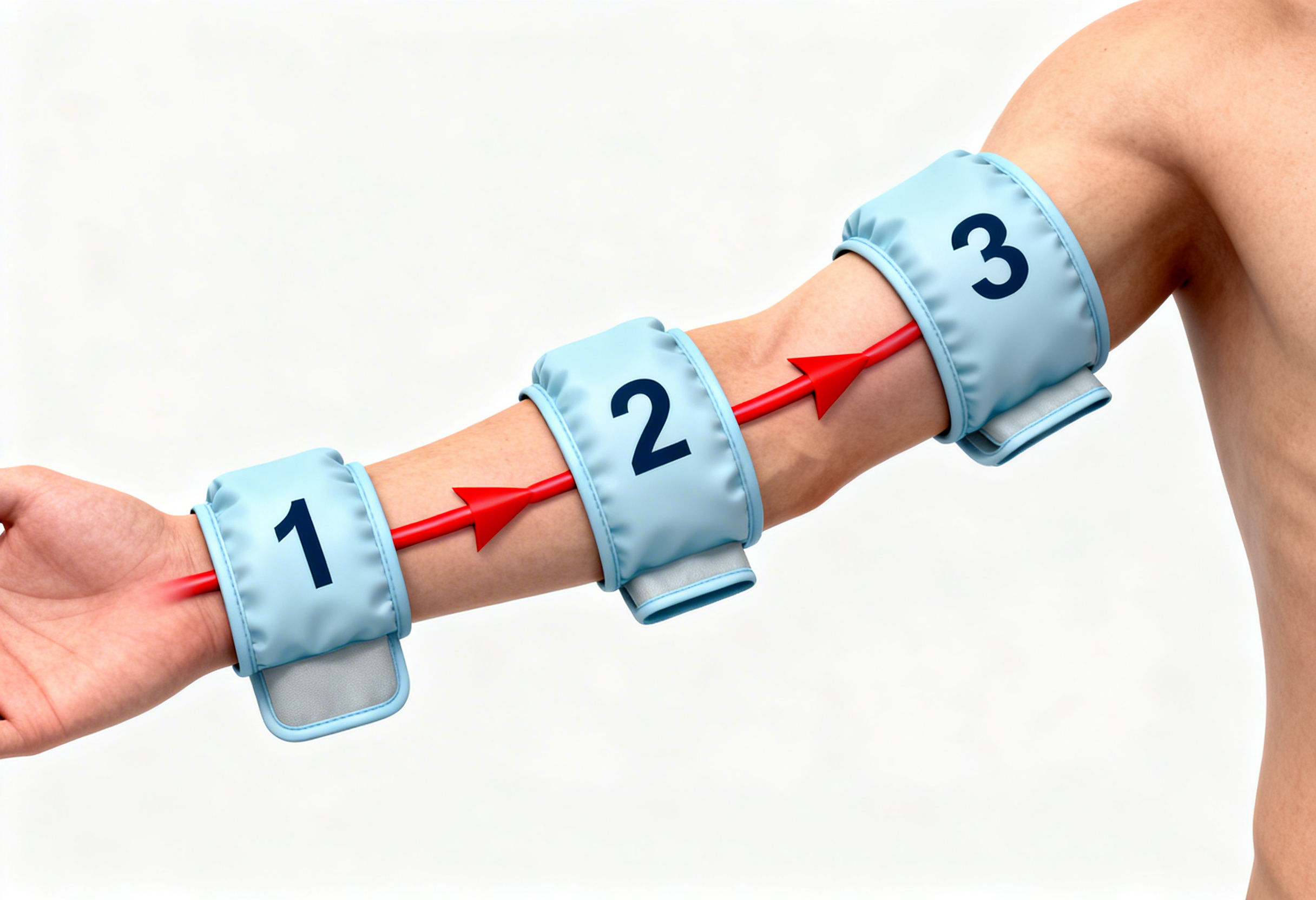
Enhanced External Counterpulsation is a non-invasive therapy that uses pneumatic cuffs placed around the calves, thighs, and buttocks. These cuffs inflate and deflate in synchronization with the cardiac cycle.
The therapy works in two critical phases:
1. Diastolic Augmentation
During diastole, when the heart relaxes, the cuffs inflate sequentially from the lower legs upward. This pushes oxygenated blood back toward the coronary arteries, increasing diastolic pressure and improving myocardial perfusion.
The heart receives most of its blood supply during diastole. By enhancing this phase, ECP therapy for heart disease improves oxygen delivery exactly when it is needed.
2. Systolic Unloading
Just before the heart contracts, the cuffs deflate rapidly. This reduces vascular resistance in the lower body and decreases afterload, allowing the heart to pump with less effort.
This dual mechanism improves oxygen supply while reducing cardiac workload.
Biological Mechanisms Behind ECP Therapy
The long term benefits of ECP extend beyond mechanical pressure changes.
Shear Stress and Nitric Oxide
The increased pulsatile blood flow generates shear stress along vessel walls. This mechanical stimulus activates endothelial nitric oxide synthase, increasing nitric oxide production.
Nitric oxide:
- Relaxes blood vessels
• Reduces platelet aggregation
• Decreases inflammation
• Improves vascular compliance
Improved nitric oxide availability restores vascular responsiveness.
Angiogenesis and Collateral Formation
Repeated ECP sessions stimulate the release of vascular endothelial growth factor and fibroblast growth factors. These promote angiogenesis and arteriogenesis.
Over 35 sessions, dormant collateral vessels enlarge and new microvessels form. These natural bypass channels improve blood flow around narrowed arteries.
This structural remodeling explains why heart function improvement continues even after therapy completion.
Anti Inflammatory Effects
Chronic inflammation drives plaque instability and progression of coronary artery disease. Studies show that ECP therapy reduces inflammatory markers such as hs CRP and certain cytokines.
By reducing vascular inflammation, ECP stabilizes plaque and lowers the risk of progression.
Clinical Benefits of ECP for Heart Disease
Chronic Stable Angina
Patients with chronic stable angina often experience chest pain during exertion. Clinical studies show that 70 to 80 percent of patients undergoing ECP therapy for heart disease report significant reduction in angina frequency and improved exercise tolerance.
Many reduce their dependence on nitrates after treatment.
Refractory Angina
Some patients continue to have symptoms despite optimal medication and previous stents or bypass surgery. These individuals are often considered no option candidates.
ECP offers a non surgical solution that improves perfusion without procedural risk.
Heart Failure
In patients with reduced ejection fraction, ECP reduces afterload and enhances myocardial oxygen supply. Some patients demonstrate improvement in left ventricular ejection fraction and functional capacity.
Patients frequently report better stamina and reduced breathlessness.
Diabetic Heart Disease
Insulin resistance damages microvasculature and accelerates atherosclerosis. ECP therapy has been shown to improve insulin sensitivity and peripheral circulation.
This makes it particularly beneficial in metabolic cardiology.

What to Expect During Treatment
The standard protocol involves 35 one hour sessions over six to seven weeks.
During therapy:
- You lie comfortably on a treatment bed
- ECG monitoring synchronizes cuff inflation
- You feel rhythmic compression in the legs
- There is no anesthesia or downtime
Many patients begin noticing improvement by the third or fourth week.
Safety and Contraindications
ECP therapy for heart disease is FDA approved and has an excellent safety profile.
However, it is not suitable for patients with:
- Severe aortic regurgitation
- Active deep vein thrombosis
- Uncontrolled arrhythmias
- Severe uncontrolled hypertension
Proper cardiac evaluation is essential before initiation.
The Integrative Cardiology Approach at ARKA Anugraha Hospital
At ARKA Anugraha Hospital, ECP is not delivered in isolation. It is integrated within a functional cardiology framework.
Advanced Risk Assessment
We evaluate:
- ApoB and Lp a levels
- hs CRP
- Homocysteine
- Insulin resistance markers
- Gut microbiome health
This allows us to address the biological drivers of endothelial dysfunction.
Gut Heart Axis
Certain gut bacteria produce TMAO, a metabolite linked to plaque formation. By correcting gut dysbiosis, we reduce systemic inflammation and support vascular health.
Metabolic Optimization
Insulin resistance stiffens arteries and increases cardiovascular risk. Nutritional therapy and lifestyle interventions are implemented alongside ECP to optimize metabolic function.
Dr Gaurang Ramesh and ECP Care
Under the clinical guidance of Dr Gaurang Ramesh, patients receive a structured evaluation to determine suitability for ECP therapy for heart disease. The goal is to combine regenerative therapy with root cause correction, improving both symptoms and long term cardiovascular resilience.
ECP vs Surgical Interventions
Compared to Bypass Surgery
Bypass surgery is invasive and requires prolonged recovery. ECP is outpatient based, non-invasive, and carries minimal risk.
Compared to Stents
Stents treat localized blockages. ECP improves systemic vascular function and microcirculation.
For stable coronary artery disease, ECP offers a lower risk alternative focused on biological rehabilitation.
Long Term Outcomes
Clinical data demonstrates:
- Improved angina class
- Increased exercise capacity
- Reduced hospital admissions
- Sustained benefits for three to five years
Because ECP therapy for heart disease stimulates structural vascular remodeling, results are durable.
Heart disease is a systemic vascular condition driven by endothelial dysfunction, inflammation, and impaired microcirculation. Treating it requires more than mechanical intervention.
ECP therapy for heart disease improves blood flow, enhances heart function, stimulates natural bypass formation, and reduces inflammation. When integrated with functional cardiology strategies at ARKA Anugraha Hospital, it provides a comprehensive pathway to cardiovascular recovery.
For patients seeking a non surgical approach to improving circulation and heart performance, ECP represents a scientifically validated and regenerative option.
FREQUENTLY ASKED QUESTIONS
- Is ECP therapy safe?
Yes, it is FDA approved and non invasive. - How long do benefits last?
Typically three to five years depending on lifestyle adherence. - Can ECP replace bypass surgery?
In stable disease, it can be a non surgical alternative. - Is ECP painful?
No, it feels like rhythmic leg compression. - How many sessions are required?
Thirty five sessions is the standard protocol. - Can I undergo ECP after stent placement?
Yes, it is safe and often beneficial. - Does ECP help microvascular angina?
Yes, it improves small vessel circulation. - Is anesthesia needed?
No. - Can heart failure patients benefit?
Yes, selected patients may see improved functional capacity. - Does ECP improve exercise tolerance?
Yes, most patients report improved stamina. - Are there side effects?
Mild skin irritation or fatigue may occur. - Is ECP suitable for diabetics?
Yes, unless contraindications exist. - Does it lower blood pressure?
It can improve vascular compliance and help regulate pressure. - Is insurance coverage available?
Coverage depends on policy and indication.
Explore Arka Recipes
Discover recipes that blend taste with health, crafted by our experts for your well-being.

Arka Diagnostics
Discover groundbreaking diagnostic services exclusive to India, now available at Arka Health, Bangalore