

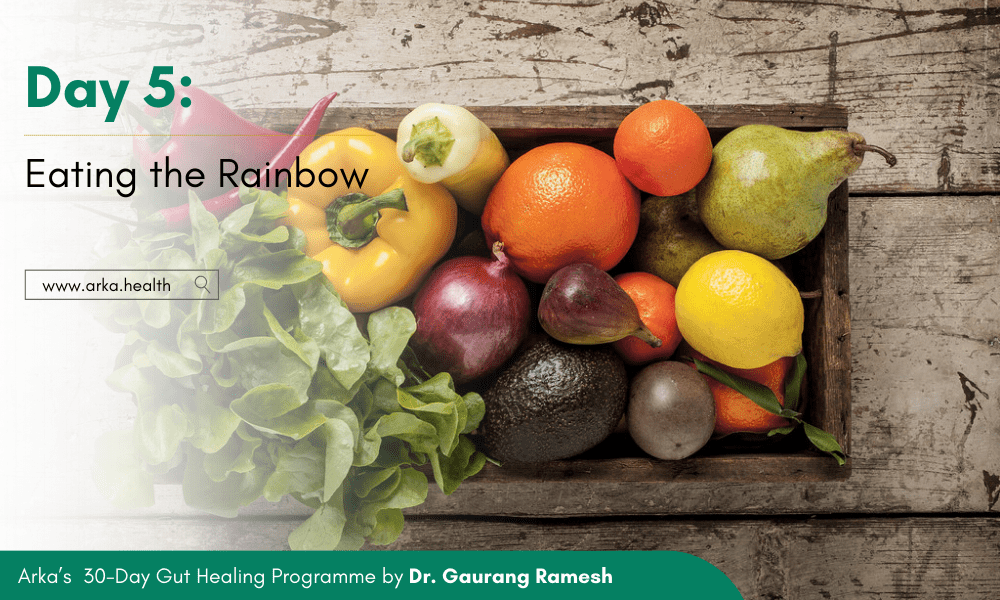
Hello there! I’m excited to talk with you about one of the easiest and most enjoyable ways to boost your health: Eating the Rainbow. This means filling your plate with a variety of colorful fruits and vegetables, from vibrant reds to deep purples, and everything in between. Each color has its own special nutrients that help keep you energized, boost your immunity, protect your cells, and so much more.
Let’s walk through why each color is so important and how you can use this simple habit to nourish your body, support your health, and make every meal a little more fun.
Nature provides us with an incredible array of colorful fruits and vegetables, each packed with unique phytonutrients—the compounds that give plants their colors and are packed with health benefits. These colors are like nature’s health code, telling us which foods contain specific nutrients that support different parts of our body.
Here’s why these phytonutrients matter:
Each color represents a different set of nutrients, so by eating a variety, you’re giving your body a full range of what it needs to thrive.
Let’s look at each color and what it brings to your health. As we go through this, think about your usual meals and see which colors you might be missing or could add more of.
Examples: Tomatoes, red peppers, strawberries, cherries, watermelon, raspberries, and beets.
Examples: Carrots, oranges, sweet potatoes, pumpkins, mangoes, yellow peppers, apricots, and pineapples.
Examples: Spinach, kale, broccoli, green apples, cucumbers, peas, kiwi, and avocados.
Examples: Blueberries, blackberries, eggplants, purple cabbage, plums, figs, and grapes.
Examples: Garlic, onions, cauliflower, mushrooms, potatoes, bananas, and pears.

Here’s a quick checklist of colorful fruits and vegetables that you can add to your meals. Try to include at least a few different colors each day!
Color | Examples of Fruits & Vegetables |
Red | Tomatoes, strawberries, raspberries, cherries, red peppers |
Orange | Oranges, carrots, sweet potatoes, pumpkin, mangoes |
Yellow | Yellow peppers, pineapple, corn, lemons, bananas |
Green | Spinach, kale, broccoli, kiwi, cucumbers, peas, green apples |
Blue/Purple | Blueberries, eggplants, purple cabbage, grapes, plums |
White/Brown | Garlic, onions, cauliflower, mushrooms, potatoes, pears |
For example, if you’re having a salad, add some red peppers, shredded carrots, and leafy greens. Or if you’re making a smoothie, throw in some spinach, a handful of berries, and a slice of orange. Three colors at each meal can help ensure you’re getting a variety of nutrients.
When you’re grocery shopping, challenge yourself to pick one new colorful fruit or vegetable each week. Trying a new veggie can keep your meals interesting and introduce you to new nutrients.
Add sliced strawberries or blueberries to your oatmeal, toss some red bell pepper into your scrambled eggs, or add shredded carrots and purple cabbage to your wraps and sandwiches.
moothies are an easy way to pack in a rainbow of nutrients. Try a blend of greens, berries, and maybe even a slice of beetroot for a beautiful, colorful smoothie.
Make it a fun personal challenge or family activity to create the most colorful plate possible. The more colors, the better!
Discover recipes that blend taste with health, crafted by our experts for your well-being.

Discover groundbreaking diagnostic services exclusive to India, now available at Arka Health, Bangalore