
Chronic Bloating in Women: Hormonal, Gut, and Lifestyle Causes Explained

- Published on: 19/Dec/2025
- Posted By: Arka Health

Chronic bloating in women is one of the most common yet least clearly explained digestive complaints. Many women wake up feeling comfortable, only to experience progressive abdominal swelling, heaviness, and discomfort as the day goes on. Clothes feel tight by evening. Meals that once felt normal now trigger visible distension. In some cases, the abdomen appears several months pregnant despite no weight gain.
This is not a cosmetic concern. Chronic bloating in women reflects underlying disruptions in gut function, hormonal regulation, and nervous system balance. While it is often labelled as IBS or dismissed as food intolerance, bloating usually represents a deeper physiological imbalance involving digestion, motility, microbial activity, and stress hormones.
This article explains why chronic bloating is more common in women, how hormones and gut health interact, and what evidence-based treatment approaches actually address the root cause.
Bloating vs Distension: Why the Difference Matters
Bloating and distension are often used interchangeably, but they are not the same.
Bloating refers to the sensation of fullness, pressure, or trapped gas. It is subjective and related to gut sensitivity.
Distension refers to the visible increase in abdominal size that can be measured and observed.
Many women experience both. Understanding which dominates helps guide treatment.
In women with heightened gut sensitivity, even normal amounts of gas can trigger discomfort. In others, abnormal fermentation or fluid retention leads to true physical expansion of the abdomen. Effective treatment must address both perception and mechanics.
Why Chronic Bloating Is More Common in Women
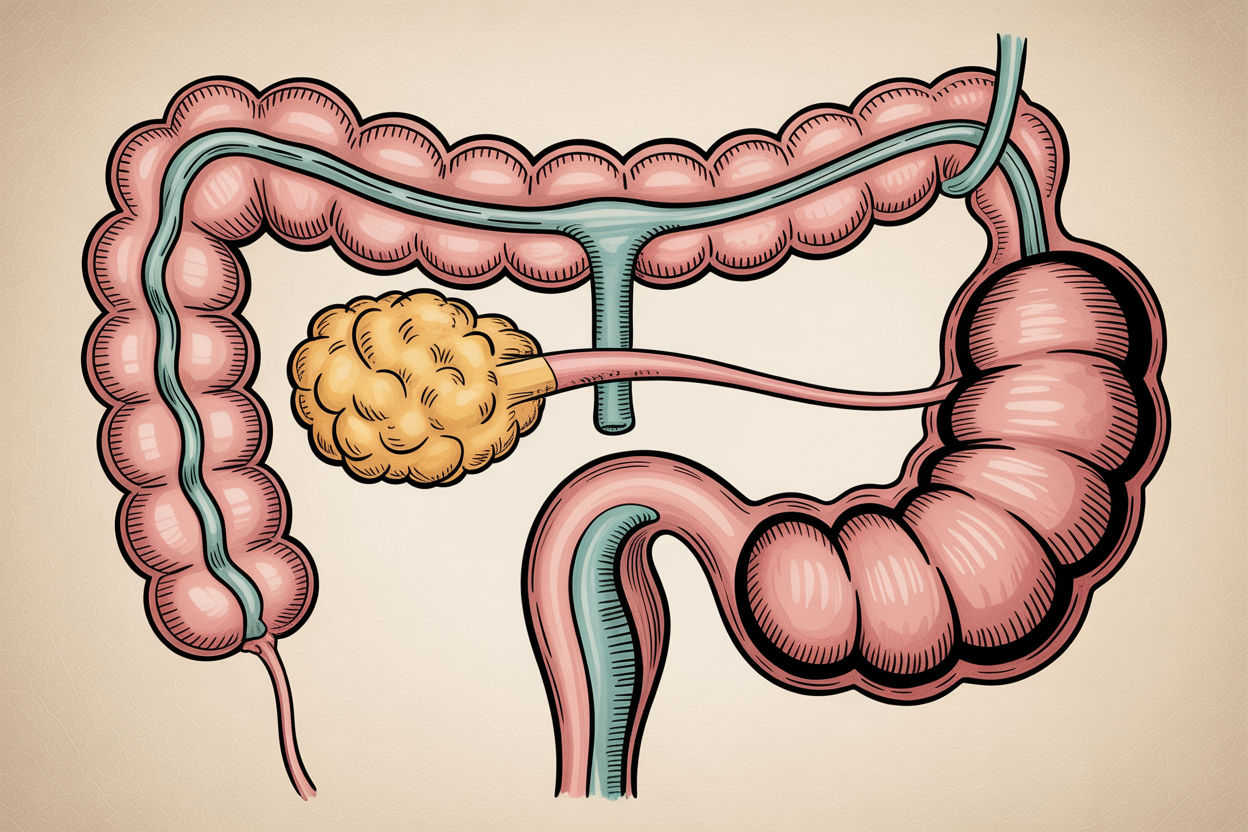
Women are nearly twice as likely as men to report chronic bloating. This is not a coincidence.
Several biological factors increase susceptibility:
- Slower baseline gut transit time
- Cyclic hormonal fluctuations
- Higher prevalence of thyroid disorders
- Greater stress hormone reactivity
- Structural crowding within the pelvis
These factors create an environment where gas, fluid, and food residue linger longer in the gut, increasing fermentation and pressure.
The Hormone Gut Connection in Chronic Bloating
Estrogen influences fluid balance, gut permeability, and smooth muscle tone. When estrogen levels remain high relative to progesterone, a pattern often referred to as estrogen dominance, bloating becomes more likely.
Excess estrogen promotes sodium retention in the kidneys, leading to water retention throughout the body, including the abdominal wall and intestinal lining. This creates a heavy, swollen sensation even without excess gas.
Estrogen dominance is often driven by impaired estrogen clearance through the gut. When gut bacteria produce excess beta glucuronidase, estrogen that should be eliminated is reabsorbed into circulation, perpetuating the cycle.
Progesterone relaxes smooth muscle, including the muscles of the digestive tract. During the second half of the menstrual cycle, rising progesterone slows intestinal movement.
This leads to:
- Constipation
- Longer fermentation time
- Increased gas production
- Premenstrual bloating
Many women notice predictable bloating in the days before their period, followed by relief once menstruation begins.
Low thyroid hormone levels slow metabolic activity throughout the body, including the intestines. Reduced motility allows bacteria to accumulate and ferment food residue.
Hypothyroidism is frequently overlooked in women with bloating, especially when lab values fall within low-normal ranges. Without addressing thyroid function, gut-focused treatments often provide only partial relief.
SIBO and Microbial Imbalance in Women

While hormones set the stage, gut microbes often drive symptoms.
Small intestinal bacterial overgrowth
SIBO occurs when bacteria colonise the small intestine, an area designed for nutrient absorption, not fermentation.
When carbohydrates enter a bacteria-rich small intestine, fermentation begins early, producing gas rapidly. Because the small intestine cannot expand easily, this gas causes pressure, pain, and visible distension soon after eating.
Women with SIBO often report:
- Bloating within 30 to 90 minutes of meals
- Worsening symptoms after healthy foods
- Constipation or loose stools depending on gas type
Methane-producing organisms are particularly common in women and are strongly associated with constipation and stubborn bloating.
Dysbiosis and gut permeability
Beyond SIBO, imbalances in colonic bacteria can damage the gut lining. This increases intestinal permeability, allowing toxins to enter circulation and trigger inflammation.
Inflammation leads to fluid retention within the gut wall and heightened immune responses to foods that were previously tolerated.
Fungal overgrowth
Some women develop fungal overgrowth in the gut, particularly after repeated antibiotic use or prolonged stress. Fungal fermentation produces gas and metabolic byproducts that worsen bloating and contribute to brain fog and fatigue.
Low Stomach Acid: A Hidden Cause of Bloating
Despite common assumptions, bloating is often caused by too little stomach acid, not too much.
Adequate stomach acid is essential for:
- Breaking down protein
- Activating digestive enzymes
- Killing incoming bacteria
- Signalling bile and pancreatic enzyme release
When acid levels are low, food sits undigested, fermenting and producing gas. Low stomach acid also increases the risk of SIBO by allowing bacteria to survive and migrate upward.
Stress, ageing, nutrient deficiencies, and long-term antacid use all contribute to declining stomach acid production in women.
Stress, Cortisol, and the “Stress Belly” Pattern
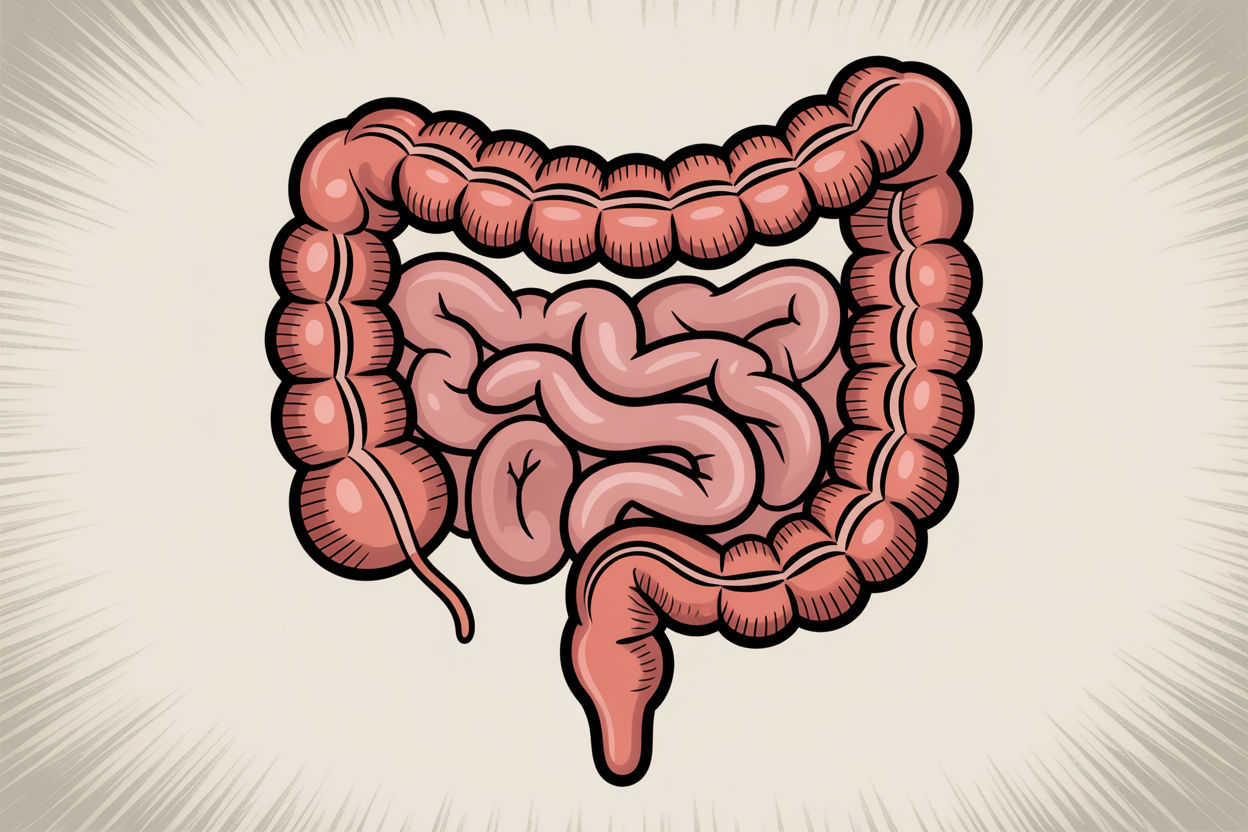
Digestion requires a relaxed nervous system state. Chronic stress shifts the body into survival mode, where digestion is deprioritised.
Elevated cortisol:
- Slows gut movement
- Reduces stomach acid secretion
- Promotes fluid retention
- Encourages visceral fat storage
Even without dietary triggers, stress alone can cause bloating through water retention and gut paralysis. Many women notice bloating during emotionally demanding periods, independent of food intake.
Diet and Lifestyle Factors That Worsen Bloating
Some commonly promoted wellness habits can worsen bloating in women.
Raw foods and excessive salads may overload a sluggish digestive system. Aggressive fasting can increase cortisol and destabilise hormones. Eating quickly or while distracted reduces digestive signalling.
Traditional dietary practices that emphasise warm, cooked foods, digestive spices, and regular meals often support gut rhythm more effectively in women prone to bloating.
Treatment Approach: Addressing Root Causes, Not Just Symptoms
Chronic bloating improves only when treatment matches the underlying driver.
Effective strategies may include:
- Identifying and treating SIBO or fungal overgrowth
- Supporting estrogen clearance through gut and liver pathways
- Improving stomach acid and enzyme output
- Restoring gut barrier integrity
- Regulating stress and cortisol patterns
- Personalising diet based on gut function and hormone status
Symptom suppression alone rarely produces lasting results.
How ARKA Anugraha Hospital Approaches Chronic Bloating in Women
At ARKA Anugraha Hospital, chronic bloating is evaluated through an integrative lens that combines medical diagnostics with functional assessment.
Under the guidance of Dr Gaurang Ramesh, patients undergo targeted testing to identify microbial overgrowth, hormonal imbalances, thyroid dysfunction, and digestive insufficiencies. Treatment plans are individualised and may include nutritional therapy, gut-directed protocols, stress regulation strategies, and where necessary, medical or surgical intervention.
This structured, root-cause approach allows bloating to be addressed as a systemic issue rather than an isolated symptom.
Chronic bloating in women is not normal, inevitable, or purely dietary. It is a signal that digestion, hormones, and stress physiology are out of alignment.
With the right evaluation and a personalized treatment strategy, bloating can improve significantly. Understanding the underlying cause is the first step toward lasting relief.
FAQs: Chronic Bloating in Women

1. Why do women experience bloating more than men?
Women have slower gut transit, cyclic hormone fluctuations, and higher sensitivity to stress hormones, all of which increase fermentation, fluid retention, and gut sensitivity.
2. Can hormonal imbalance cause daily bloating?
Yes. Estrogen dominance and progesterone-related motility changes can cause persistent bloating even without dietary triggers.
3. Does SIBO cause bloating immediately after meals?
Yes. SIBO often causes bloating within 30 to 90 minutes due to early fermentation in the small intestine.
4. Can low stomach acid cause gas and bloating?
Low stomach acid prevents proper digestion, allowing food to ferment and produce gas, which leads to bloating and discomfort.
5. Why does stress worsen bloating?
Stress increases cortisol, slows digestion, reduces enzyme secretion, and promotes water retention, all of which contribute to bloating.
6. Is bloating related to thyroid problems?
Yes. Hypothyroidism slows gut motility and increases the risk of constipation and bacterial overgrowth, leading to bloating.
Explore Arka Recipes
Discover recipes that blend taste with health, crafted by our experts for your well-being.

Arka Diagnostics
Discover groundbreaking diagnostic services exclusive to India, now available at Arka Health, Bangalore