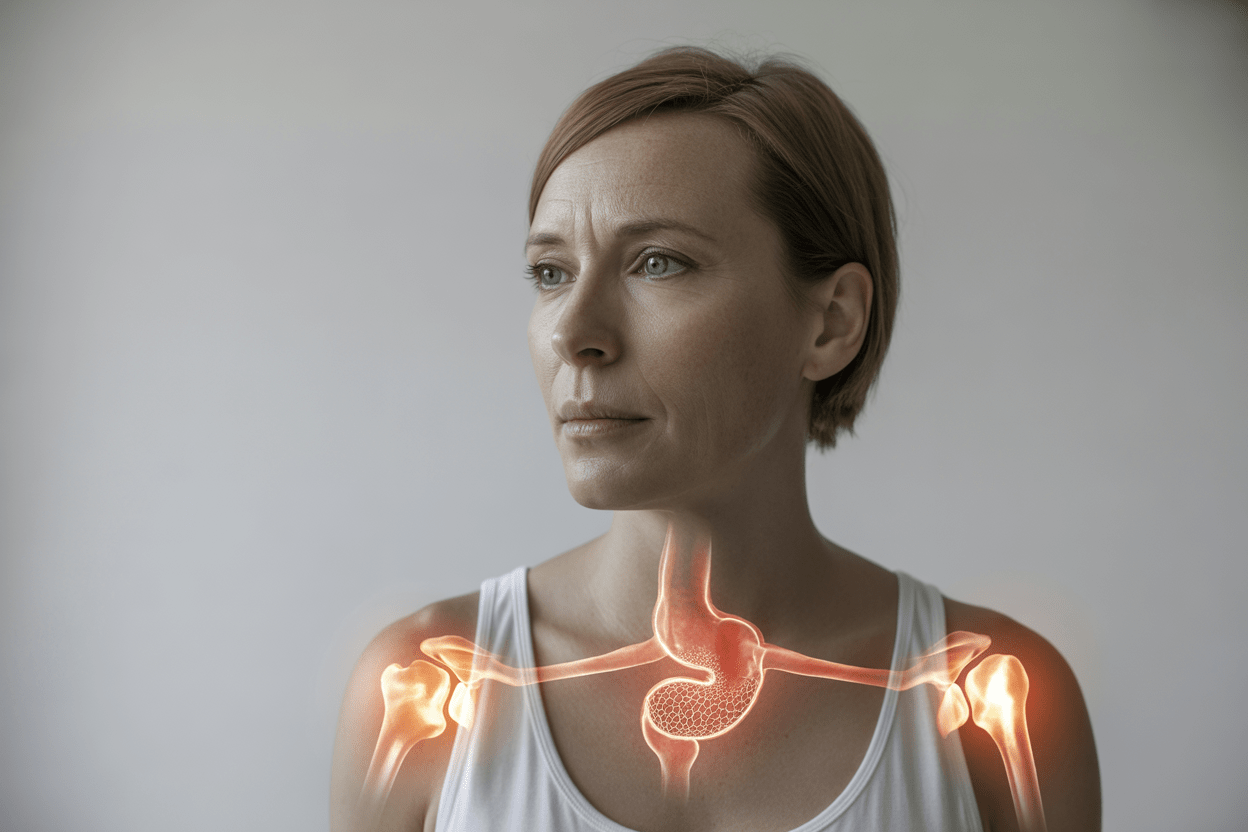
BPC-157 peptide therapy is gaining attention as an advanced option within regenerative medicine peptides, especially for individuals struggling with chronic gut issues, inflammation, or delayed tissue healing. Derived from a naturally occurring protective compound found in gastric juice, BPC-157 plays a unique role in supporting gut integrity, reducing inflammation, and accelerating tissue repair processes throughout the body.
At its core, BPC-157 peptide therapy focuses on helping the body heal itself more efficiently. Whether someone is dealing with persistent digestive discomfort, gut inflammation, musculoskeletal injuries, or slow recovery after physical stress, this peptide has shown promising benefits across multiple systems. Its dual action on both the gut lining and connective tissues makes it especially relevant in modern integrative medicine.
At Arka Anugraha Hospital, BPC-157 for gut health and BPC-157 tissue recovery are used as part of personalized, doctor-supervised peptide therapy programs. These protocols are designed to support the gut-brain axis, calm chronic inflammation, and promote natural regeneration rather than simply masking symptoms. For patients seeking peptide therapy in Bangalore, BPC-157 represents a thoughtful, science-driven approach to long-term healing.
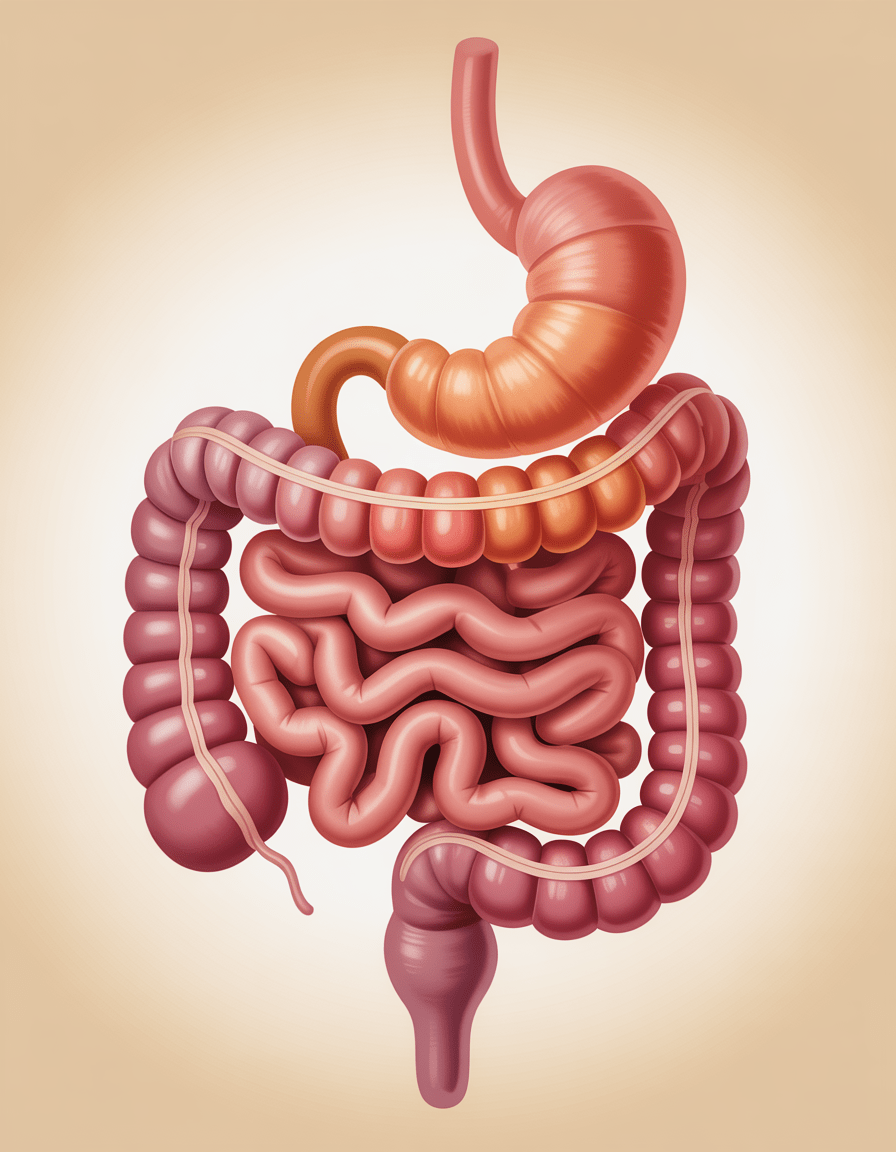
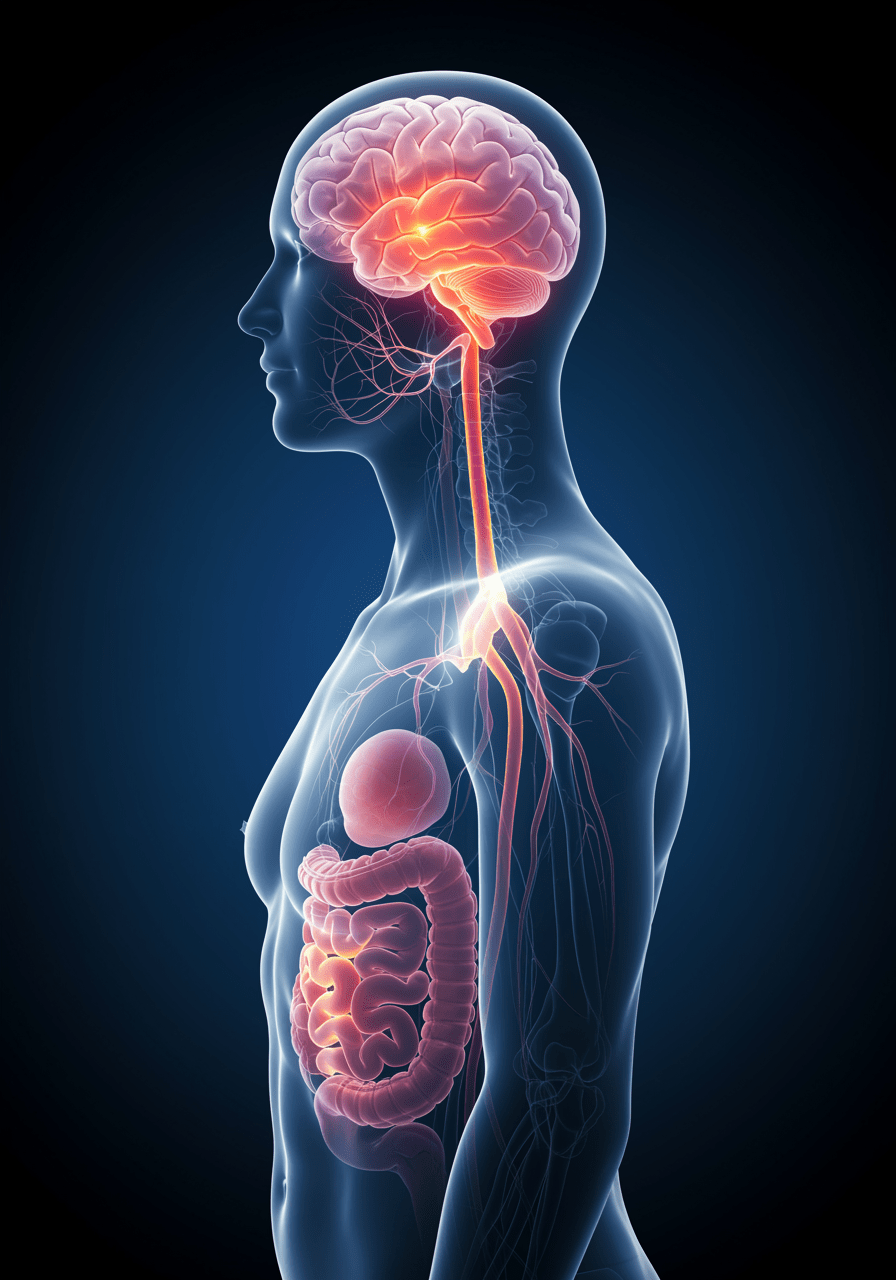
Gut health is foundational to overall wellness, influencing immunity, mood, metabolism, and inflammation levels throughout the body. BPC-157 for gut health is particularly valued for its ability to support the structural and functional integrity of the gastrointestinal lining.
One of the primary actions of BPC-157 is strengthening the gut barrier. When this barrier is compromised, undigested food particles, toxins, and bacterial byproducts can enter the bloodstream, contributing to inflammation and symptoms commonly associated with IBS, SIBO, and leaky gut. BPC-157 helps reinforce tight junction proteins, reducing intestinal permeability and promoting a healthier gut environment.
For individuals with IBS or SIBO, gut inflammation and impaired motility often coexist. BPC-157 helps modulate inflammatory signaling while supporting mucosal repair, allowing the gut lining to heal more effectively. This can translate into improvements in bloating, abdominal discomfort, irregular bowel habits, and food sensitivities when used as part of a comprehensive gut health program.
The peptide also plays a supportive role in the gut-brain axis. The gut and brain communicate continuously through neural, hormonal, and immune pathways. Chronic gut inflammation can contribute to anxiety, low mood, and brain fog. By calming inflammation peptides pathways in the gut, BPC-157 may indirectly support cognitive clarity and emotional balance, making it a valuable adjunct in integrative gut-brain care.
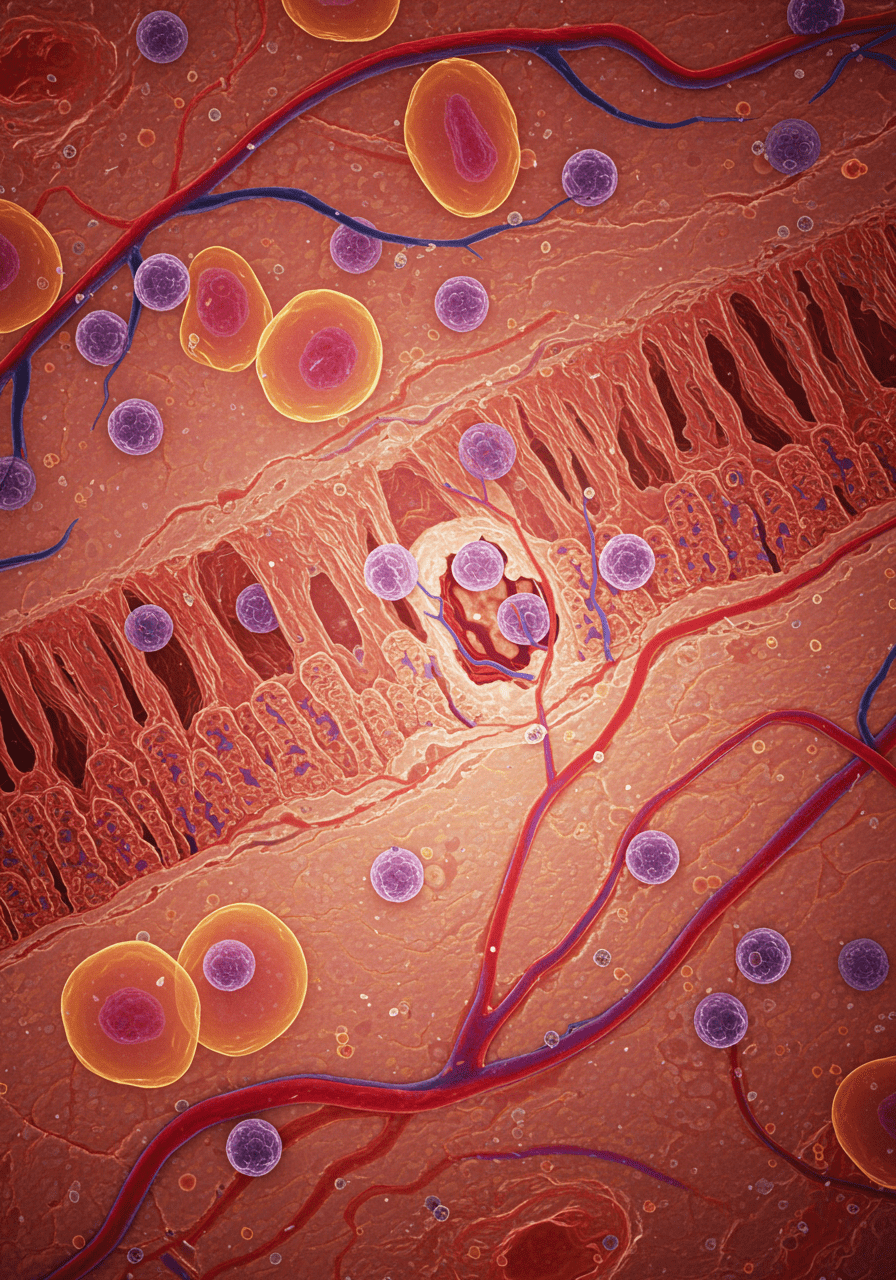
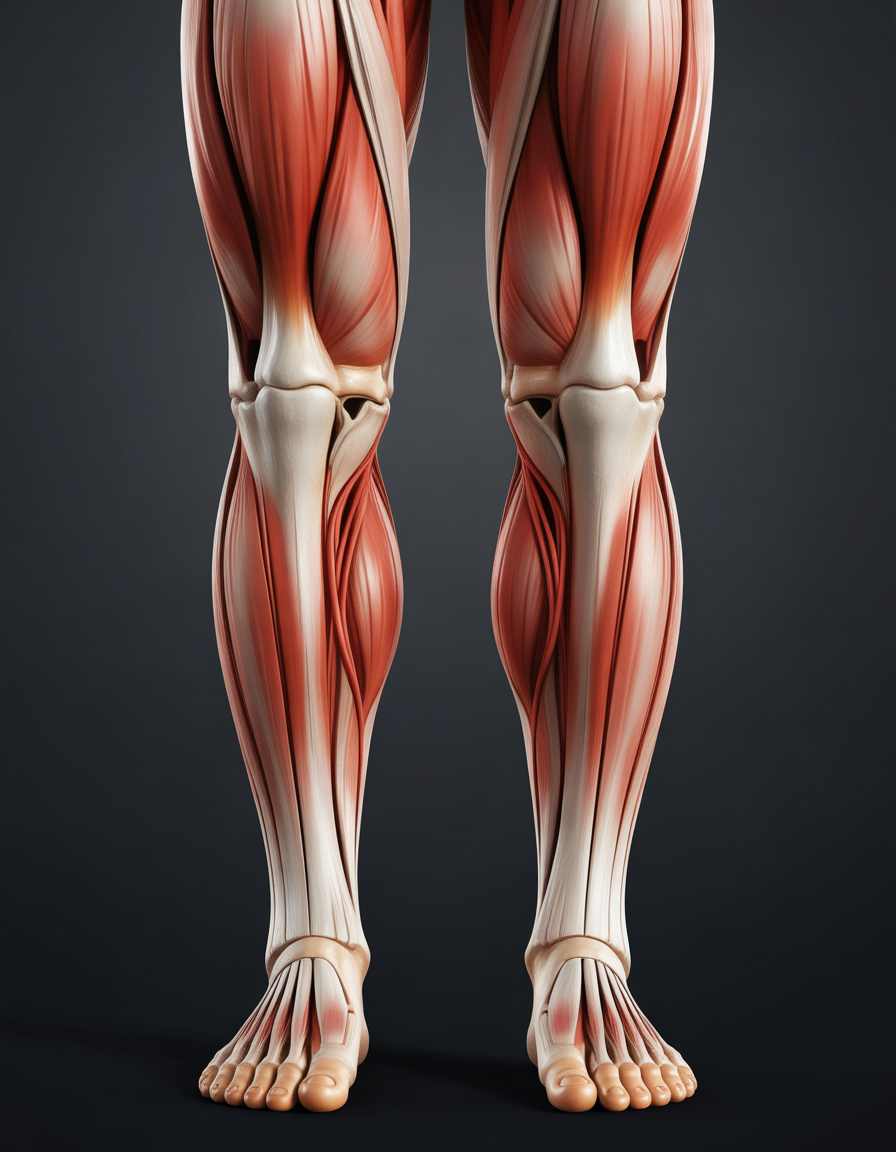
In addition to digestive health, BPC-157 tissue recovery is one of the most clinically appreciated aspects of this peptide. Tissue repair depends heavily on adequate blood flow, cellular communication, and controlled inflammation. BPC-157 supports all three.
Angiogenesis is a key mechanism through which BPC-157 enhances healing. By promoting the formation of new blood vessels, the peptide improves nutrient delivery to damaged muscles, tendons, and ligaments. This is particularly helpful for individuals recovering from sports injuries, repetitive strain, or age-related tissue degeneration.
BPC-157 also influences fibroblast activity, the cells responsible for producing collagen and maintaining connective tissue strength. This supports more organized tissue repair rather than excessive scar formation. As a result, patients undergoing peptide therapy for recovery often report improved mobility, reduced pain, and faster functional restoration.
Another important feature is its anti-inflammatory peptide action. Inflammation is necessary for healing, but when it becomes chronic or excessive, it delays recovery. BPC-157 helps balance inflammatory responses, allowing tissues to progress through healing phases more efficiently. This balanced approach makes BPC-157 peptide therapy suitable for both acute injuries and chronic musculoskeletal conditions.
At Arka Anugraha Hospital, BPC-157 peptide therapy is never used as a one-size-fits-all solution. Each patient undergoes a comprehensive clinical evaluation to understand gut health status, inflammatory burden, lifestyle factors, and recovery goals before starting therapy.
For gut-focused protocols, BPC-157 for gut health may be integrated into structured programs addressing IBS, SIBO, dysbiosis, or intestinal permeability. These protocols often combine peptide therapy with nutrition, microbiome support, and lifestyle interventions to create lasting results rather than short-term relief.
In musculoskeletal and recovery-oriented cases, BPC-157 tissue recovery is used alongside physiotherapy, targeted exercises, and other regenerative medicine peptides when appropriate. This layered approach ensures that tissue repair is supported both locally and systemically.
All peptide therapy in Bangalore at Arka is conducted under strict medical supervision, with dosing, duration, and delivery tailored to individual needs. This ensures safety, accountability, and optimal therapeutic outcomes for patients seeking advanced integrative care.

BPC-157 peptide therapy is generally well tolerated when prescribed and monitored by a qualified medical professional. At Arka Anugraha Hospital, safety is prioritized through proper patient screening, individualized dosing, and ongoing clinical follow-up.
As with any peptide therapy for recovery or gut health peptides program, BPC-157 is not recommended for self-administration without medical guidance. Patients with complex medical conditions, those on multiple medications, or individuals with active infections require careful assessment before initiation.
Because BPC-157 supports angiogenesis and cellular repair, it is always used within a clinically appropriate framework. This ensures that regenerative benefits are achieved safely and responsibly. Patients are also educated about realistic expectations, timelines, and the importance of complementary lifestyle support.
BPC-157 is commonly used to support gut health, reduce inflammation, and accelerate tissue repair in muscles, tendons, ligaments, and the gastrointestinal lining.
BPC-157 for gut health strengthens the intestinal barrier, supports mucosal healing, and helps calm inflammation pathways that contribute to IBS, SIBO, and leaky gut.
When used under doctor supervision, BPC-157 peptide therapy is considered safe for appropriate durations based on individual clinical needs.
Some patients notice improvements within a few weeks, while others experience gradual benefits over several months, depending on the condition being treated.
Yes. BPC-157 is part of a doctor-supervised peptide therapy program and requires a medical consultation before initiation.