Stress and the Microbiome: How Your Mind Affects Your Gut Health

Published on: 13/Aug/2025
Posted By: Arka Health

Introduction

Hello! Today, I want to talk with you about something that is so often overlooked in gut health but is absolutely crucial: stress. Stress isn’t just a feeling—it’s something that can affect our body in deep ways, especially in the gut. In fact, your gut and your brain are in constant communication, talking back and forth through what we call the gut-brain axis. And when stress enters the picture, it can send your gut into a tailspin, creating symptoms like bloating, constipation, or even diarrhea.

Let’s dive into how stress impacts your gut health, explore some simple ways to manage stress that can help keep your gut happy, and encourage a bit of personal reflection on how stress might be affecting your digestion. By the end, I hope you’ll feel equipped with some powerful tools to support both your mind and gut, even on the most stressful days.

How Stress Impacts Your Gut Health

When you experience stress—whether it’s due to a big project at work, a family obligation, or just the hectic pace of daily life—your body activates its fight-or-flight response. This response was meant to help our ancestors escape danger, but modern stressors can trigger it even without physical threats. Here’s what happens to your gut when this response kicks in:
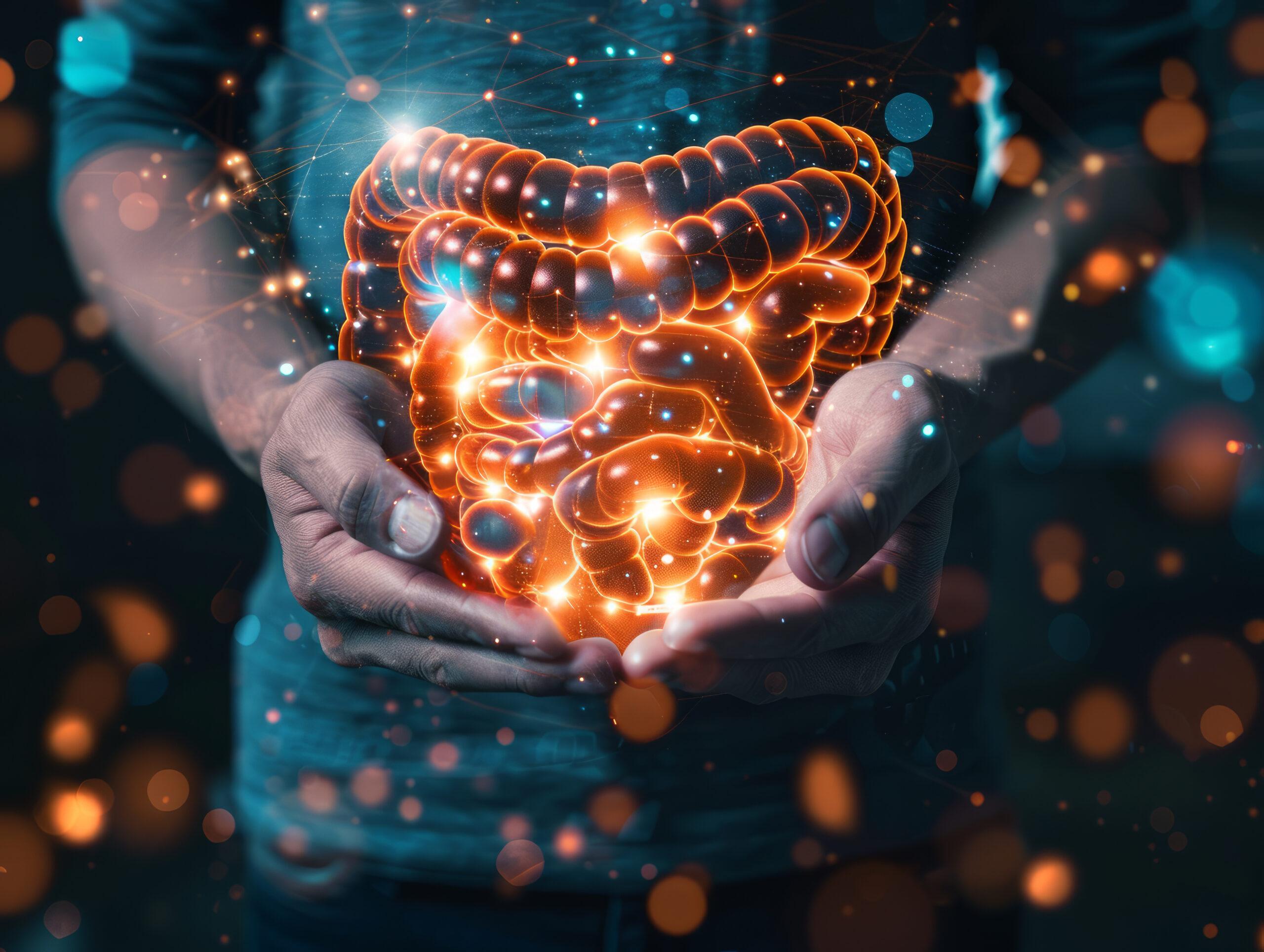
Stress Hormones Disrupt Your Gut Bacteria
  • Stress triggers the release of hormones like cortisol and adrenaline, which can disrupt the balance of bacteria in your gut. When these stress hormones are high, harmful bacteria can thrive while beneficial bacteria decline.
  • This imbalance, called dysbiosis, can lead to digestive issues, weaken your immune system, and increase your susceptibility to bloating, gas, and discomfort. Think of it as your gut being “out of sync.”


Digestion Speeds Up or Slows Down Dramatically
  • Stress can either speed up digestion, leading to diarrhea, or slow it down, causing constipation. Your gut is like a sponge for stress—it feels every wave of anxiety, and this can throw off its natural rhythm.
  • The physical symptoms you feel, like cramping or that “pit in the stomach,” are your gut responding to the stress signals it’s receiving from your brain. So, if you notice changes in your digestion during stressful times, it’s not in your head—it’s very real.
Inflammation Increases in the Gut
  • Chronic stress can lead to inflammation in your gut, damaging the lining and potentially leading to leaky gut, where undigested food particles or toxins pass into the bloodstream.
  • This low-grade inflammation not only affects digestion but can also drain your energy and even impact your immune health. A healthy gut lining is essential for keeping everything in balance, so protecting it from the effects of stress is key.
Triggers Bloating and Gas
  • When stress changes the bacterial balance in the gut, it often leads to symptoms like bloating and gas. Many people find that when they’re stressed, they experience more bloating or discomfort, especially after meals.
  • This discomfort can create a vicious cycle—stress worsens digestion, leading to symptoms, which then create more stress.

Simple, Effective Techniques to Manage Stress and Support Your Gut

Now that we know what stress does to the gut, let’s talk about how to manage it. Luckily, there are simple practices you can use to calm your body and restore balance to both your mind and gut. Here are a few that I highly recommend:
Deep Breathing Exercises
  • Deep breathing is one of the quickest ways to calm your body. By slowing your breathing and focusing on deep, gentle inhales and exhales, you’re telling your nervous system to switch out of fight-or-flight mode and into relaxation mode.
  • Try This Exercise: Sit comfortably, place one hand on your belly, and take a slow, deep breath in through your nose, feeling your belly expand. Hold for a moment, then exhale slowly through your mouth, letting your belly soften. Repeat this for 5 minutes, focusing on the rhythm of your breath. You’ll likely feel a wave of calm and relaxation wash over you.
5-Minute Meditation for Calm
  • Meditation is like a reset button for your mind and gut. It helps regulate the gut-brain axis, which in turn can support smooth digestion. Even a short meditation can calm your mind, relax your body, and promote a sense of peace that benefits your gut.
  • Try This Meditation: Set a timer for 5 minutes. Sit comfortably, close your eyes, and focus on your breath. As you inhale, imagine calm energy filling your body; as you exhale, imagine any stress or tension melting away. If your mind wanders, gently bring it back to your breath. By the end, you’ll likely feel a sense of relief and calm that supports both your mind and gut.


Mindfulness and Reflection on Stressors
  • Taking a few moments each day to reflect on what’s causing you stress can help you understand the connection between your mind and gut. Sometimes, just recognizing our stressors helps us feel more in control.
  • Try This Reflection Exercise: Each evening, jot down one or two things that made you feel stressed. Notice if these stressors are affecting your digestion—do you feel more bloated or experience changes in bowel habits when these stressors arise? This awareness is the first step toward making changes to protect your health.


Gentle Movement and Exercise
  • Physical movement is one of the best ways to release tension and boost endorphins (your body’s natural mood lifters). Gentle movement like walking, stretching, or yoga can help stimulate digestion and relieve symptoms like bloating or constipation.
  • Try This Movement Practice: Take a 10-15 minute walk, practice gentle yoga stretches, or do a few minutes of mindful stretching. Notice how your body feels lighter, more relaxed, and more at ease after moving. This gentle activity can do wonders for both stress relief and digestion.


Reflect on Your Own Stressors and How They Impact Your Gut

Stress is unique for each of us, and what’s stressful to one person might not be for another. Taking a moment to consider what’s currently causing stress in your life can help you understand how it might be affecting your gut health. Here are some questions to guide your reflection:

What are my main sources of stress right now?

Are they related to work, relationships, finances, or even just a packed schedule?

How does my digestion respond when I’m stressed?

Do you notice more bloating, cramping, or changes in your bathroom habits during stressful periods?

What stress management practices resonate with me?

Is it deep breathing, a quick walk, a short meditation, or maybe journaling? Finding what works for you is key.

Just being aware of the mind-gut connection can be a huge first step in taking control of both your mental and digestive health.

Action Step: Practice a 5-Minute Breathing Exercise or Short Meditation Each Day

To help your body handle stress, try setting aside just five minutes each day to practice deep breathing or meditation. This doesn’t need to be complicated or time-consuming, but a short daily practice can have a powerful impact on your stress levels, supporting a calmer mind and a happier gut. Think of this as your daily “reset”—a moment to release tension, restore balance, and protect your health.

Why Managing Stress is Key for a Healthy Gut

Taking steps to reduce stress isn’t just good for your mental health—it’s one of the best things you can do for your gut, too. When you manage stress, you help create an environment in your gut that allows good bacteria to thrive, which keeps your digestion smooth, your immune system strong, and your overall health in balance.

So let’s take a deep breath, commit to a few minutes each day for our well-being, and create a little more calm for both our minds and our guts. Remember, every small step counts. Here’s to finding peace in each day and giving your gut the support it deserves!

Gluten: A Silent Trigger for Inflammation? Discover How It Affects Your Gut Health

Hello there! This week, let’s explore a topic that has sparked lots of interest and curiosity: gluten and its effects on your gut health. For some people, gluten—a protein found in wheat, barley, and rye—can act as a hidden trigger, creating inflammation in the body and causing a host of uncomfortable symptoms. But here’s the thing: it doesn’t affect everyone the same way. In some people, gluten can cause digestive issues, fatigue, brain fog, and more, while others seem to digest it just fine.

So, let’s talk about how gluten could be affecting you. I’ll explain why gluten can sometimes lead to inflammation, how this can impact the gut lining, and how you can use a simple 30-day gluten elimination trial to find out if gluten is playing a role in your symptoms. Let’s dive in and see if this trial could be the key to feeling better!

Why Gluten Can Be a Trigger for Inflammation in Some People

Gluten is a naturally occurring protein found in grains like wheat, barley, and rye. It’s what gives bread its elasticity and pasta its chewiness. For some people, however, gluten can act as an irritant. When their body encounters gluten, it mistakenly sees it as a threat and launches an immune response. This response can trigger inflammation in the gut and sometimes beyond, leading to a variety of symptoms.
Signs You Might Be Sensitive to Gluten
  • You don’t have to have celiac disease (an autoimmune disorder where gluten must be completely avoided) to experience symptoms. Many people are sensitive to gluten without having a full-blown allergy.
  • Common symptoms include bloating, gas, abdominal pain, constipation, or diarrhea, as well as fatigue, brain fog, and even joint pain. If you feel any of these after eating gluten, it’s possible that your body might be sensitive to it.
How Gluten Can Trigger Inflammation
  • In people with gluten sensitivity, consuming gluten can activate the immune system, leading to chronic low-grade inflammation. This inflammation may not always feel obvious right away, but over time, it can impact various systems in the body.
  • Imagine your immune system going into “high alert” mode every time it detects gluten—this ongoing response can lead to discomfort and potentially cause long-term health issues if left unaddressed.

How Gluten-Triggered Inflammation Affects Your Gut

The main reason we’re concerned about inflammation in the gut is because it can compromise the gut lining. Your gut lining acts as a barrier, protecting your body by only allowing nutrients through while keeping out harmful substances. But when inflammation is present, this barrier can become weakened, leading to issues like leaky gut.
What is Leaky Gut?
  • Normally, the cells in your gut lining are tightly packed, allowing only beneficial nutrients to pass through. But when inflammation damages the gut lining, tiny gaps can form, allowing undigested food particles, toxins, and harmful bacteria to “leak” into your bloodstream.
  • This “leakiness” can cause immune reactions, leading to even more inflammation throughout the body. People with leaky gut often experience a range of symptoms, including digestive discomfort, fatigue, skin issues, and food sensitivities.
Creating a Cycle of Inflammation
  • Once inflammation starts affecting the gut, it can throw off the balance of bacteria in your gut microbiome, allowing more harmful bacteria to take over. This imbalance can make it harder to digest food, absorb nutrients, and eliminate waste properly, creating a cycle of inflammation and discomfort.
  • If gluten is contributing to this cycle, removing it could be the first step toward reducing inflammation, improving your gut health, and restoring balance.

Starting a 30-Day Gluten Elimination Trial

If any of this resonates with you, you may want to consider trying a 30-day gluten elimination trial. This doesn’t have to be a permanent change—it’s simply an experiment to see how your body responds without gluten. Here’s how to get started and track your progress:

Remove All Sources of Gluten for 30 Days
  • Gluten can hide in many places, so you’ll want to avoid foods like bread, pasta, crackers, and baked goods. But also check sauces, soups, salad dressings, and processed foods for gluten, as it can often sneak in as a hidden ingredient.
  • Look for “gluten-free” labels to help you identify safe options, and focus on naturally gluten-free foods like fruits, vegetables, lean proteins, nuts, and gluten-free grains like quinoa, rice, and oats (make sure they’re labeled gluten-free as oats are often cross-contaminated with gluten).
Track Your Symptoms in a Journal
  • Keep a daily record of any changes you notice in your digestion, energy, mood, and overall well-being. Symptoms to watch for include bloating, gas, stool changes, brain fog, fatigue, skin issues, and joint pain.
  • Journaling your symptoms is powerful because it allows you to see patterns you might not have noticed otherwise. Often, people are surprised by how many symptoms improve once they remove gluten.
Observe Changes in Digestion and Energy
  • As you go through the trial, note any shifts in how you feel overall. Is your digestion more comfortable? Do you feel less bloated? Do you notice more consistent energy levels throughout the day? These are often signs that your body is responding well to the change.
  • Some people notice changes quickly, within a week or two, while for others it might take the full 30 days to see a difference. Be patient and consistent—it’s a journey!
Consider Reintroducing Gluten After 30 Days
  • After 30 days, you may want to try reintroducing gluten to see how your body reacts. Start with a small amount, like a piece of bread or pasta, and monitor your symptoms over the next 24-48 hours. If old symptoms return, it’s a strong indication that gluten may be contributing to your discomfort.
  • This reintroduction step is valuable because it helps you confirm whether gluten is an issue for you. If symptoms return, reducing or avoiding gluten may be beneficial for your long-term health.

Action Step: Begin a 30-Day Gluten Elimination and Track Your Progress

Starting today, begin your 30-day gluten elimination trial. Remove gluten from your diet, track your symptoms daily, and see how your body responds. Keep this process light-hearted—it’s an experiment, a way to understand your body better. You might discover that gluten was affecting you more than you realized, or you might find that it wasn’t a major issue after all.

Why Gluten Elimination Could Be a Game-Changer for Your Health

For some people, gluten is more than just a food—it’s a trigger for inflammation, digestive distress, and fatigue. By removing it, even temporarily, you give your body a chance to reset and heal. This trial could provide valuable insights into how your body functions best and whether gluten may be something to limit or avoid for improved well-being. Remember, every small change you make is a step towards a healthier you. Here’s to a curious mind, a balanced gut, and the adventure of finding out what helps you feel your absolute best!

Explore Arka Recipes

Discover recipes that blend taste with health, crafted by our experts for your well-being.

Arka Diagnostics

Discover groundbreaking diagnostic services exclusive to India, now available at Arka Health, Bangalore

Social Share

Book An Appointment

Related Articles